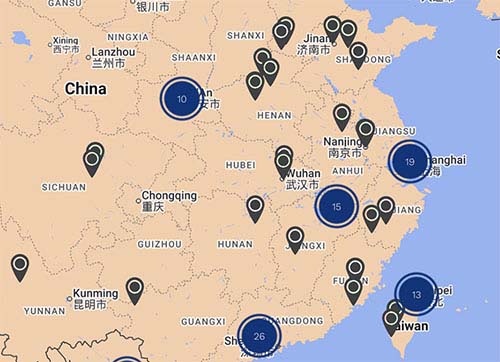
To see all the destinations listed in this guide and other ceramic sites in the US, check out CERAMIC WORLD DESTINATIONS (CWD), MoCA/NY's interactive map listing over 4,000 ceramic destinations!
I ulu nō ka lālā i ke kumu.
The branches grow because of the trunk.
Mary Kawena Pukui, Olelo No’eau: Hawaiian Proverbs and Poetical Sayings, #1261
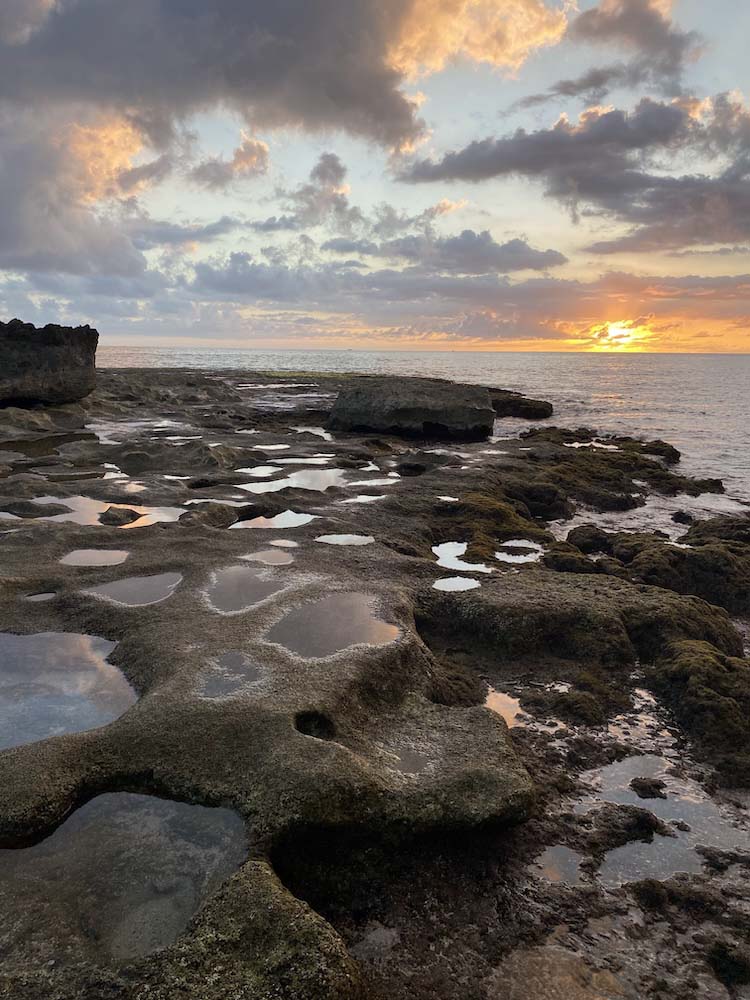
Hundreds of thousands of years ago, fiery pillars of lava surged from deep within the Pacific, cooling into the volcanic rock we now know as Ka Pae ʻĀina o Hawaiʻi, or the Hawaiian archipelago. With at least eight distinct climate zones, this ʻāina (land) became home to Polynesian voyagers who sailed from Tahiti centuries ago. Bringing canoe plants, tools, and traditions, these Kānaka Maoli (original people) created a society that lived in rhythm with the land, transforming things like dry leaves, carved stone, and whale bone into objects that carried both everyday purpose and deep ties to moʻolelo (oral histories).
The islands are made almost entirely of volcanic basalt, with no natural clay deposits—so why is there a ceramics tradition at all? While examples of imported porcelain bearing the Hawaiian Kingdom’s Coat of Arms can be seen in the art collection of ʻIolani Palace, clay did not truly take root as a practiced craft until the mid-20th century. Claude Horan established the first ceramics program at the University of Hawaiʻi, and his students, Toshiko Takaezu, Alice Kagawa Parrott, and Isami Enomoto, went on to form the foundation of Hawaiʻi’s contemporary ceramics history.
This 72-hour guide is as much about experiencing Honolulu as it is about tracing that unexpected lineage, from historic collections to living artists, and the many ways this city continues to shape (and reshape) its relationship with clay.
I always recommend people find accommodations around the Waikīkī / Ala Moana / Kaka’ako areas, and there are many AirBNB options around these popular hotspots. However, it is highly recommended to stay in an actual hotel that more directly supports Hawai’i’s vital hospitality economy. Currently, Hawai'i is facing a housing crisis which has been worsened by the sharp rise in short-term vacation rental companies from the U.S. continent pricing out local buyers. As you can imagine, there's only so much space to go around on this tiny island in the Pacific.
Even if you don’t want to blow your whole budget on a lavish luxury resort, the cost-effective option of staying in a smaller boutique hotel is not only highly encouraged, but greatly appreciated. Plus, they’re super cute!
You can rest assured knowing this historic Art Deco hotel will take you back to the 1960s in comfort. It’s in a great location, right in the middle of Waikīkī, and rooms are available at an excellent rate of around $150 per night.
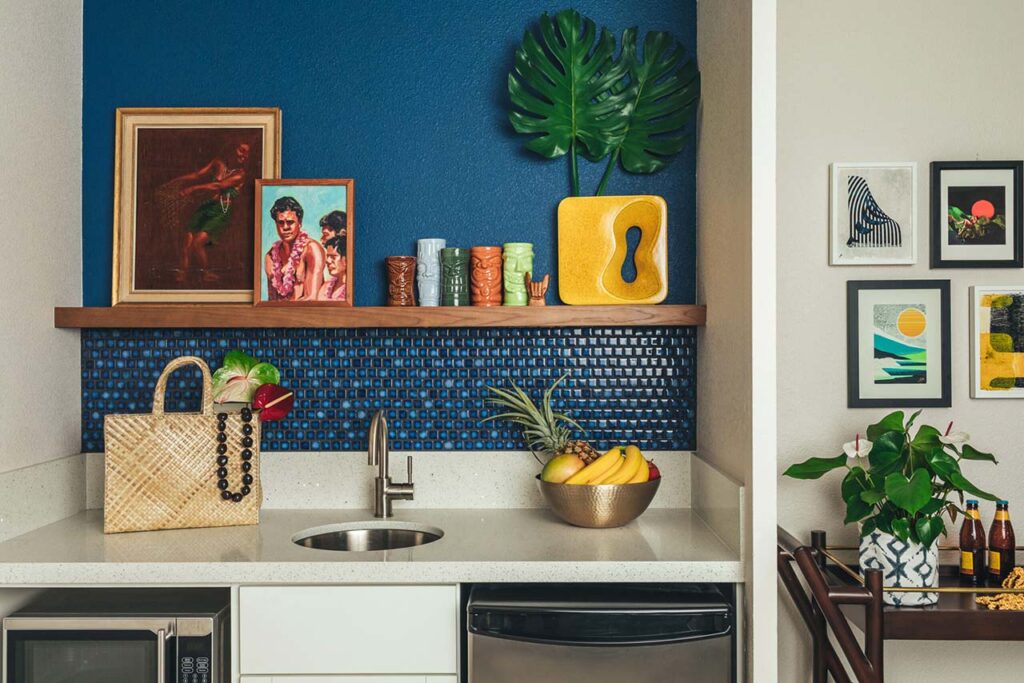
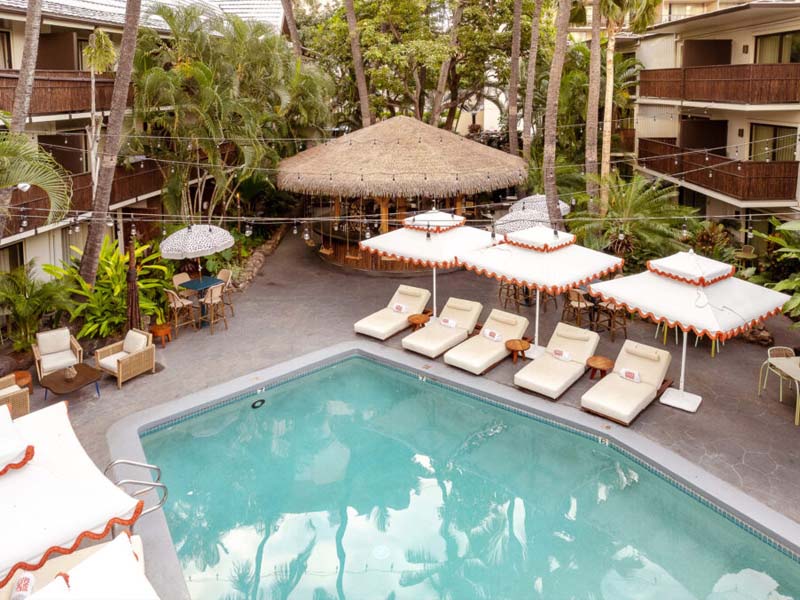
For something more upscale, I recommend this kamaʻaina (local) favorite luxury hotel at the edge of Waikīkī. (You might even run into Hawaiʻi celebrities like Tia Carrere or Max Holloway during your stay.) Within its lobbies and rooms, you’ll find one of Waikīkī’s largest collections of art by Native Hawaiian artists, including works by Solomon Enos, Kaʻili Chun, and more. If hotel amenities are your thing, this is your place, with an infinity pool, spa, restaurants, and much more to offer. Nightly rates range from around $250 to $350 per night.
Tip: Be sure to take the Prince Waikīkīs complimentary art tour by Exhibition Gridfor an informative look at the hotel’s collection, and to get personalized recommendations from the tour guide, Brian Linares, who holds a wealth of art knowledge and hospitality.
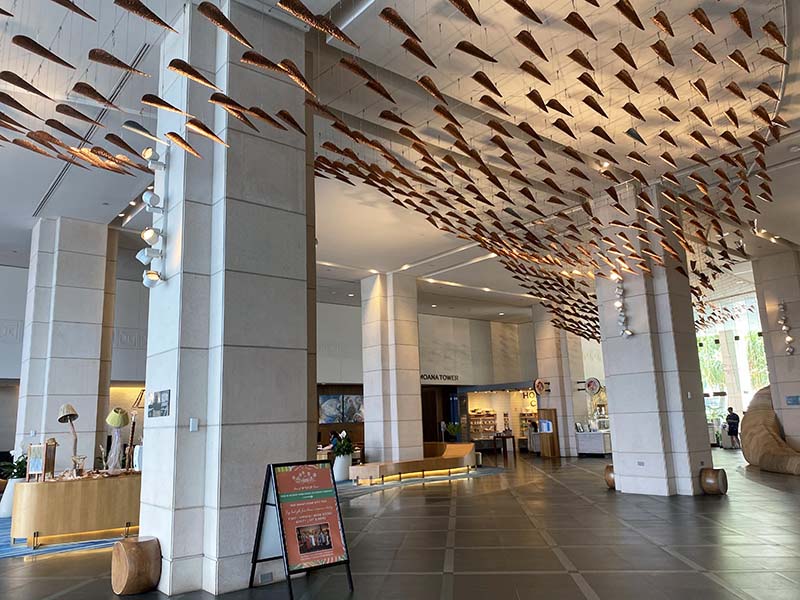
For traversing around Honolulu, I highly recommend renting a car. The prices aren’t terrible, around $20 per day, and it’s going to be a lot easier to get around the more obscure locations in this article. Plus, the public transit has its own baggage: broken a/c, inconsistent schedules, etc.
If you would prefer public transportation, your best options are The Bus or Waikīkī Shuttle Trolley, which will take you to many, though not all, of the destinations mentioned.
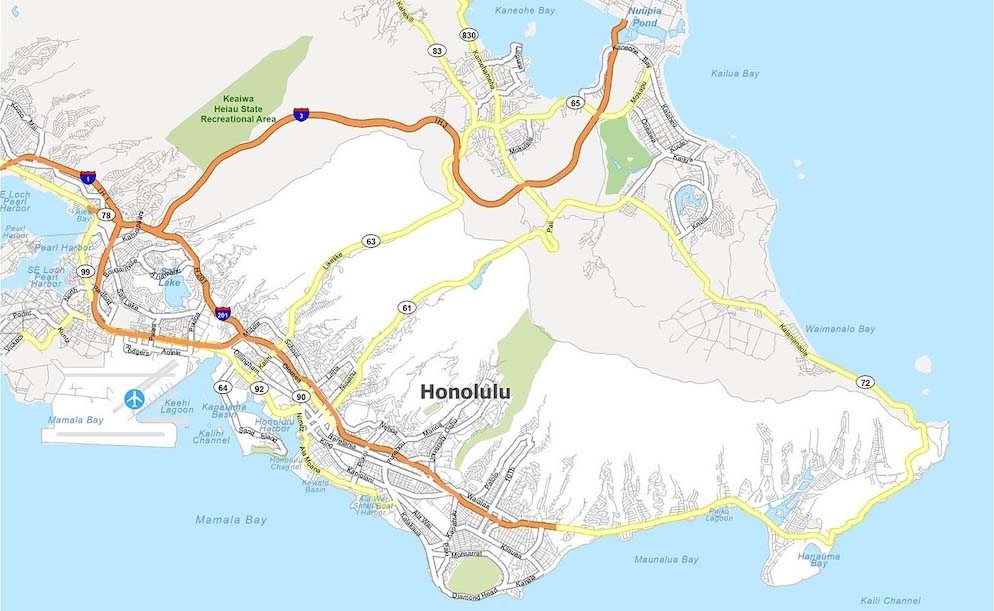
DAY 1 | Downtown Honolulu & Chinatown
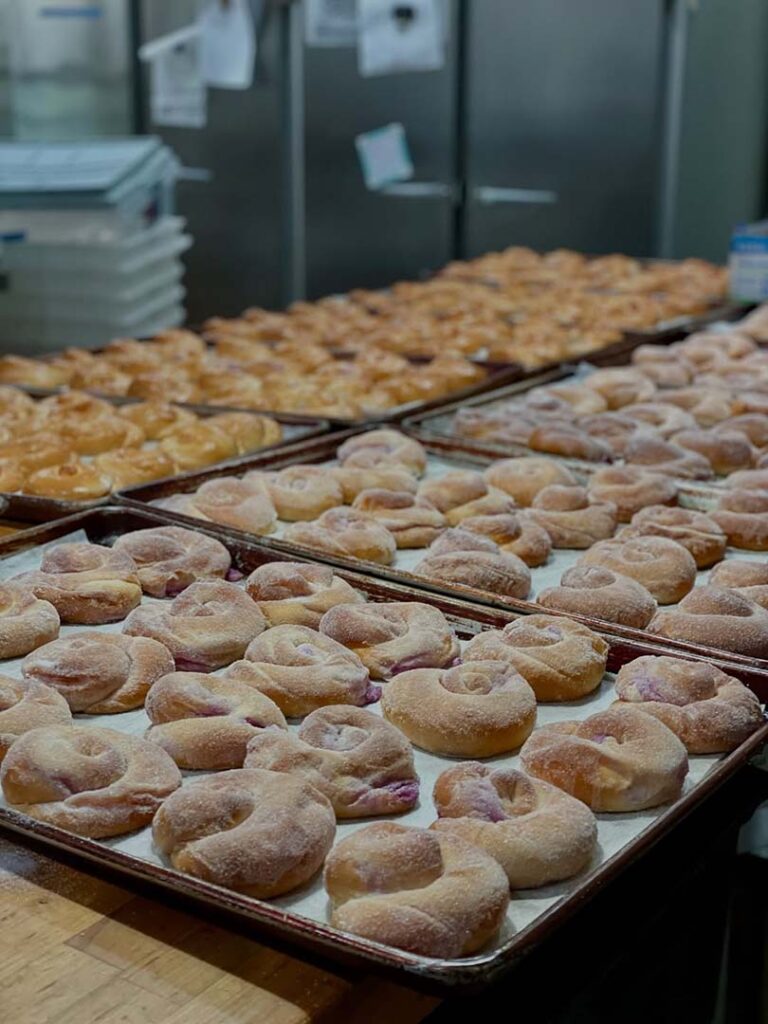
9:30 AM: Beyond Pastry Studio
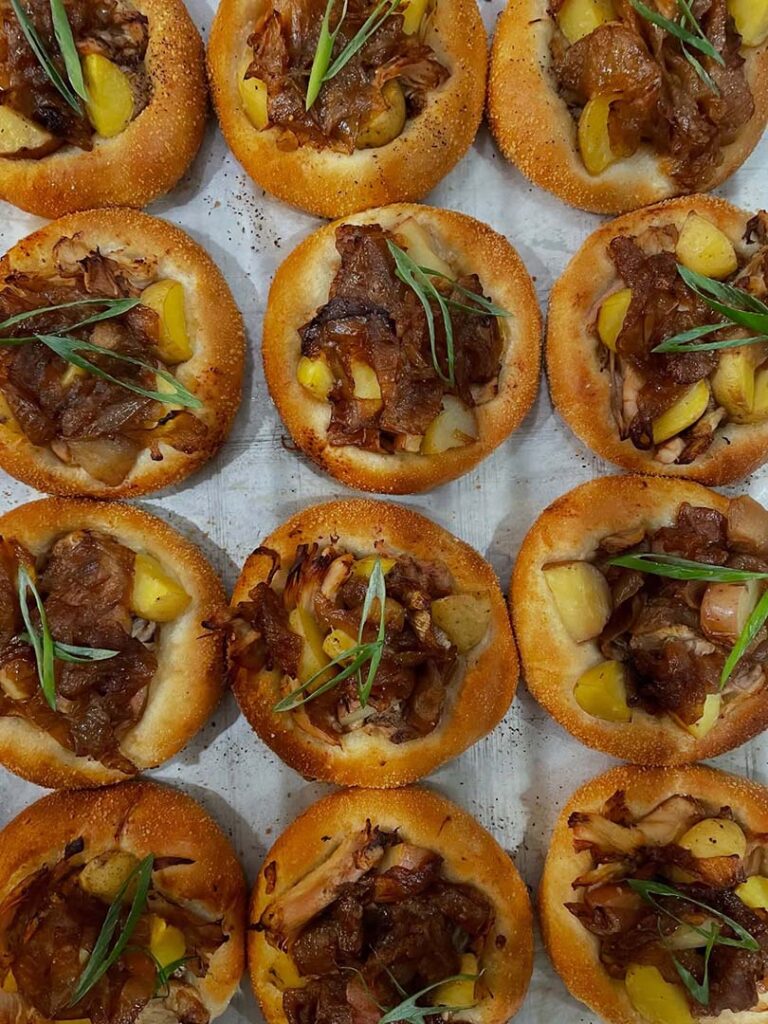
Parking: ‘Iolani Palace (enter eastbound on King Street, between the Palace Grounds and the State Library), or Aliʻi Place (cash only). Beyond Pastry Studio, a bakery that highlights contemporary Filipino baked goods, is a go-to for commuters working in both the Capitol and Downtown Financial districts. Always worth checking out for their new experimental sweet & savory fusions.
Tip: My recent favorite has been the Parmesan Balsamic Mushroom Roll with a drip coffee, paired with whatever new sweet thing they have fresh in stock.
10:30 AM: Capitol Modern – The Hawaiʻi State Art Museum
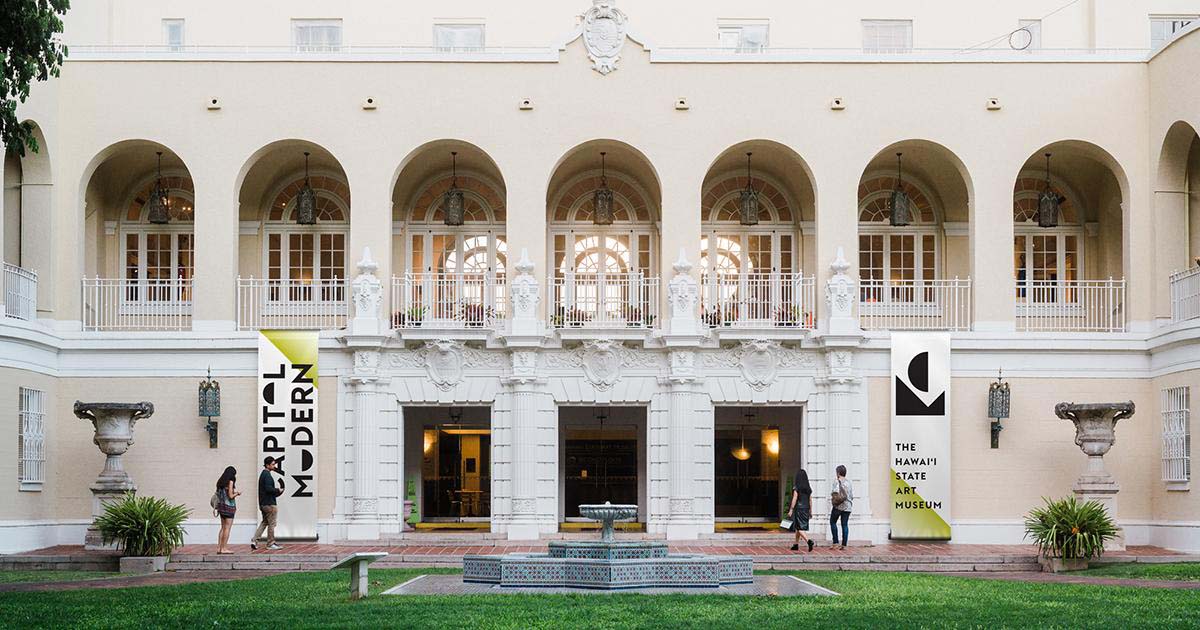
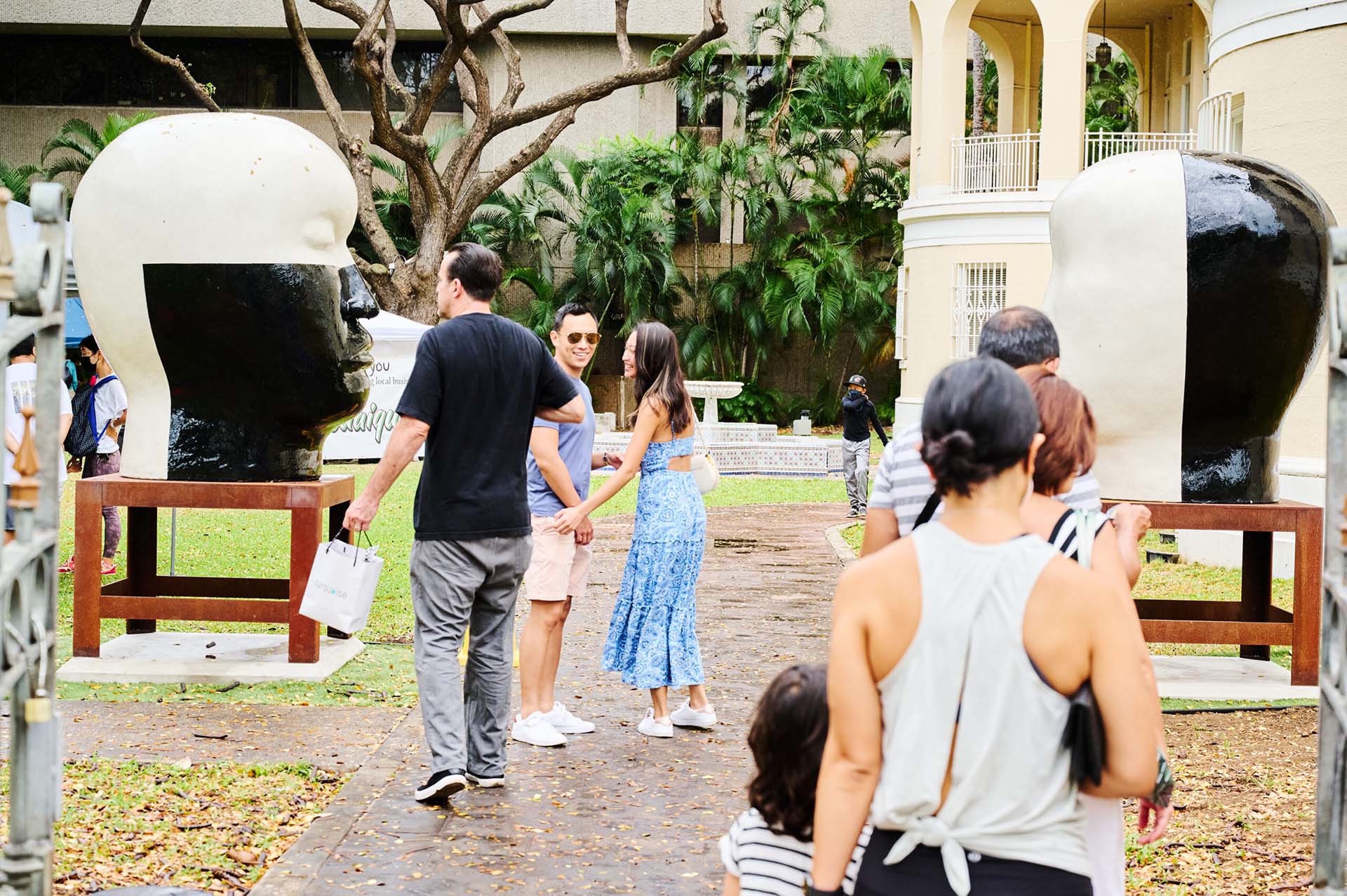
Hawaiʻi was the first state to adopt a Percent-for-Art law in 1967, dedicating a percentage of the state construction budget to the purchase, care, and display of artworks for the public. This tree takes fruit in multiple forms, most visibly through the Art in Public Places Program, which allows the state to acquire and commission artworks for public spaces and for Capitol Modern: The Hawaiʻi State Art Museum. Housed in a historic Spanish Mission–style building, Capitol Modernpresents highlights from Hawaiʻi’s public art collection and hosts a wide range of free events, exhibitions, and programs featuring artists from Hawaiʻi and beyond.
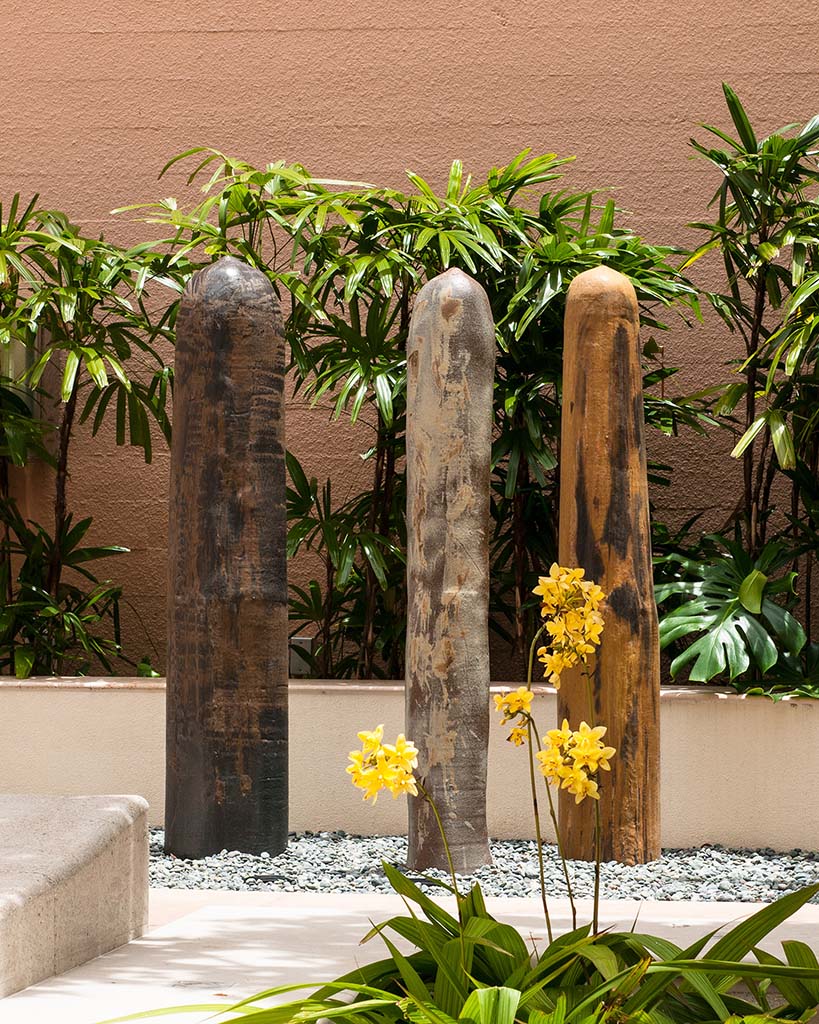
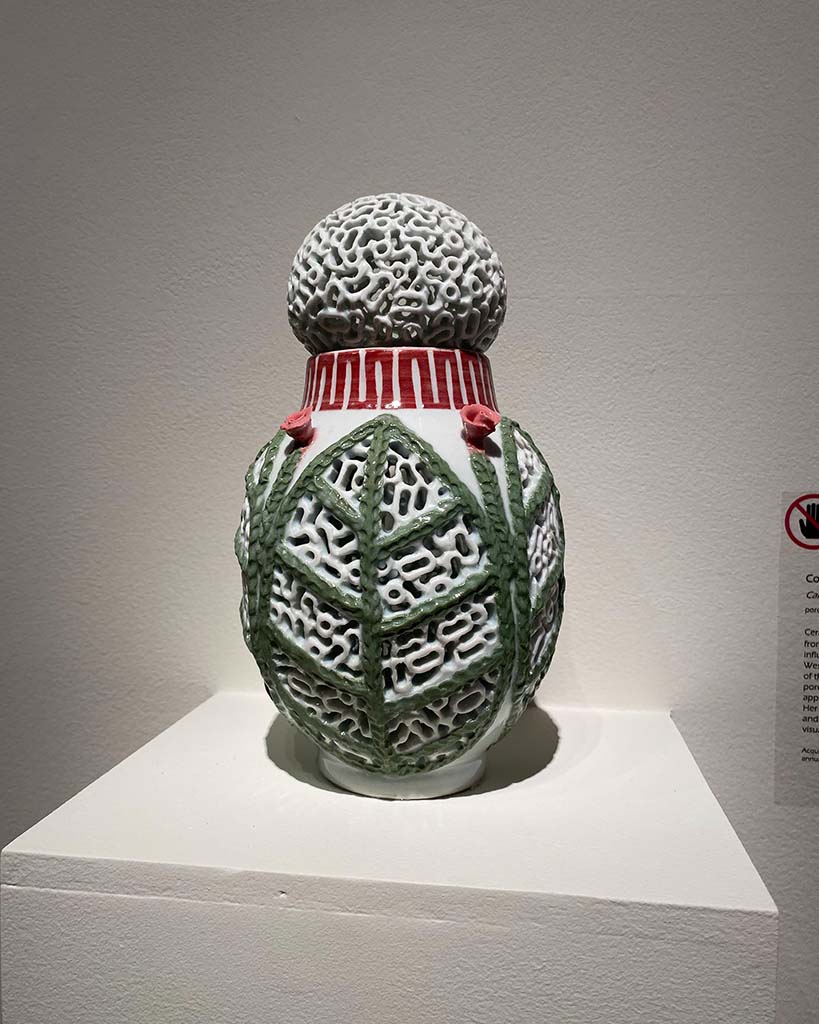
If you visit the museum near opening time at 10 AM, you have a good chance of running into Solomon Robert Nui Enos, the museum’s current Artist-in-Residence, who’s always happy to talk story (chat) with passersby about his passion for public art in Hawaiʻi. Enos is a visual storyteller with an interest in Polynesian Futurism, exploring science fiction through a wide range of artistic styles. Some ceramic highlights from the collection include Volcanic Trees by Toshiko Takaezu, currently on view in the Sculpture Garden, and Carved Vase, a porcelain work by Constance Liu.
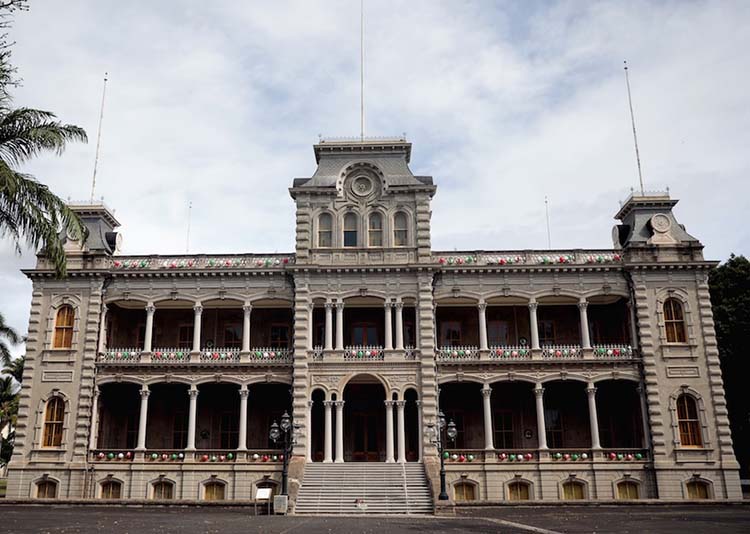
11 AM: ʻIolani Palace
Hawaiʻi is the only U.S. state that was once an internationally recognized sovereign kingdom. Between the formation of these islands and the emergence of ceramics, there were complicated, violent, and relatively untold histories, ones that escape the typical postcard caricature of a cocktail-sipping, laid-back paradise.
Thus, the ʻIolani Palaceis a must-visit for travelers looking to ground themselves in the history of the Hawaiian Kingdom, especially if you’ve ever found yourself asking, “How exactly did Hawaiʻi even become a U.S. state?” While their guided tour is eye-opening and great for those who love to ask questions, I always recommend the expertly produced audio tour for visitors who prefer an at-your-own-pace dive into this pivotal moment in history.
You’ll find great examples of porcelain, Hawaiian crafts, and diplomatic gifts given to Hawaiʻiʻs royal family, including the Coat of Arms plate I mentioned in the beginning of this article.
12:30 PM: Lunch
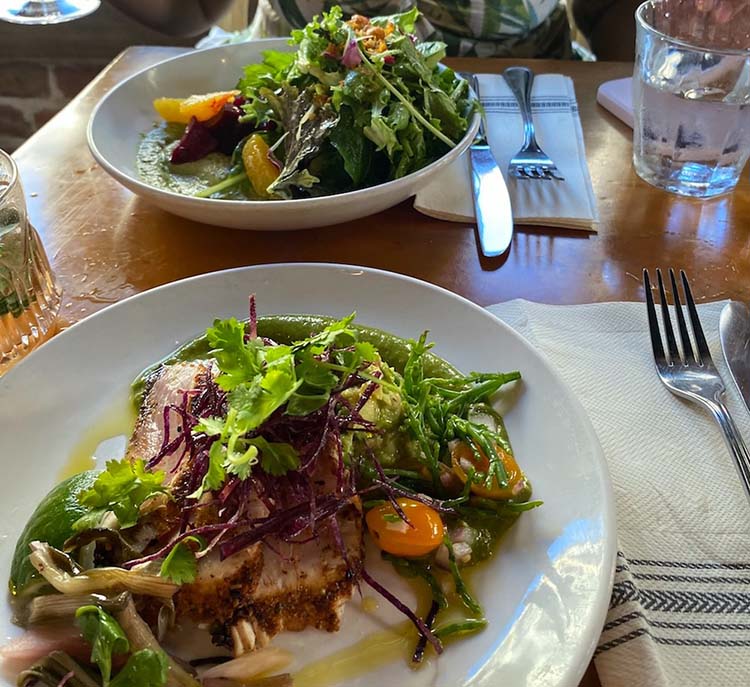
Chinatown is known for many things, but its eateries are perhaps its best-kept secret. Just a short walk away from the Capitol District on Hotel Street, we find Fête, an award winning farm-to-table restaurant featuring some of the best ingredients from local farms across the Islands. It’s a great way to literally “get a taste” of what Hawaiʻi has to offer.
Tip: For a “five o’clock-somewhere” kind of afternoon, get the Spicy Kitty cocktail, which comes in an adorable ceramic maneki-neko figurine.
Alternative: The Daley, right next door, for a simple, no-nonsense smash burger and a beer.
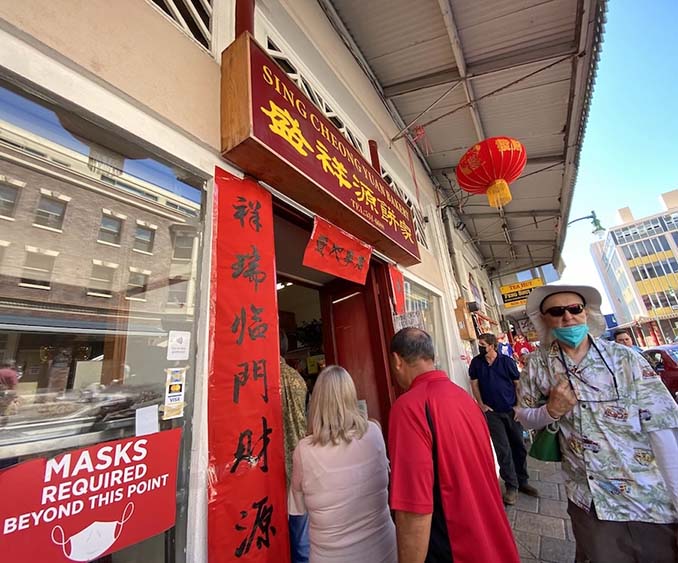
1 PM: Chinatown / Honolulu Art District
During Hawaiʻi’s plantation era in the 19th century, contract laborers from places such as China, Portugal, Japan, and the Philippines immigrated to Hawaiʻi en masse. Many workers from China who stayed after their contracts ended eventually settled in the district we now know as Chinatown, one of the first of its kind in the United States.
Explore the Honolulu Art District, located on the border of Chinatown and Downtown, and some of the contemporary art galleries it has to offer.
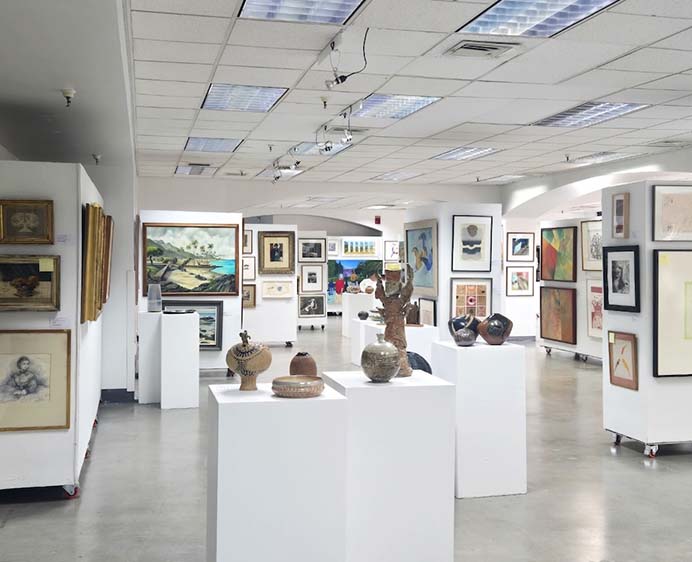
While many of these galleries may or may not be hosting exhibitions of ceramic works, the Downtown Art Center (DAC) and its gift shop typically always have ceramics on view. The venue also hosts the annual Hawaiʻi Craftsmen exhibition, a showcase of some of the most technically accomplished craftwork coming out of the Islands today.
Hawaiʻi Craftsmen also runs the annual Raku Hoʻolauleʻa(raku celebration), a weekend pottersextravaganza where potters and ceramic studios from across Hawaiʻi gather at Mokuleiʻa on Oʻahu’s North Shore to camp, surf, barbecue, and fire raku kilns until the wee hours of the morning. A Hawaiʻi tradition since 1977, selected pieces from this event are later exhibited in Chinatown, typically at the Downtown Art Center or the Arts at Marks Garage.
Since you’ll already be in the area, be sure to stop by the Arts & Letters Gallery at Native Books to browse a curated selection of contemporary artworks and pick up some literature on Hawaiian art and history. It’s always recommended to keep a book with you in Hawaiʻi, since you never know when you’ll need a beach-friendly read. Plus, pulling out a book as you bronze your tan will always make you feel just a little smarter than everyone else.
Recommendations: From a Native Daughter by Haunani-Kay Trask, and Westlake: Poems by Wayne Kaumualiʻi Westlake (1947–1984).
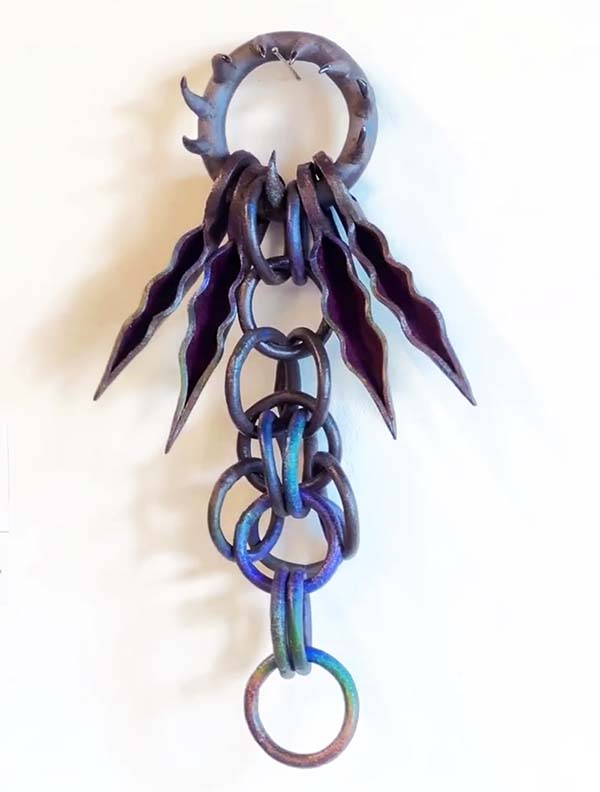
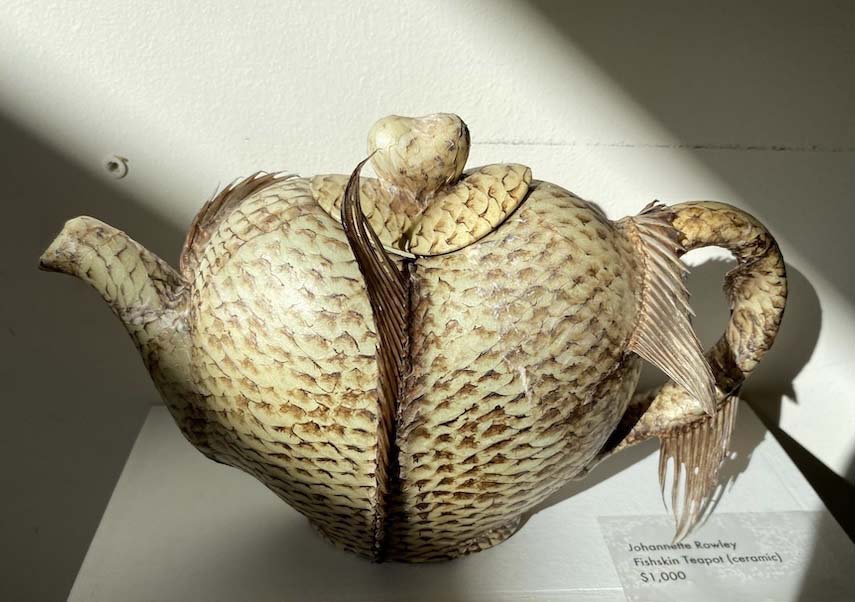
3 PM: Foster Botanical Garden
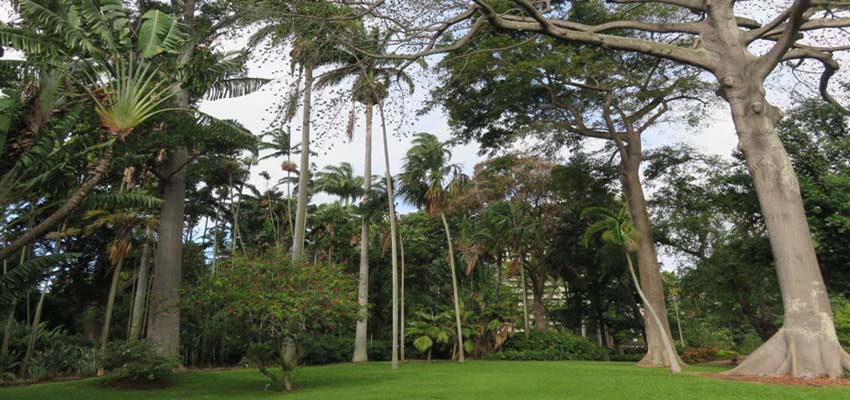
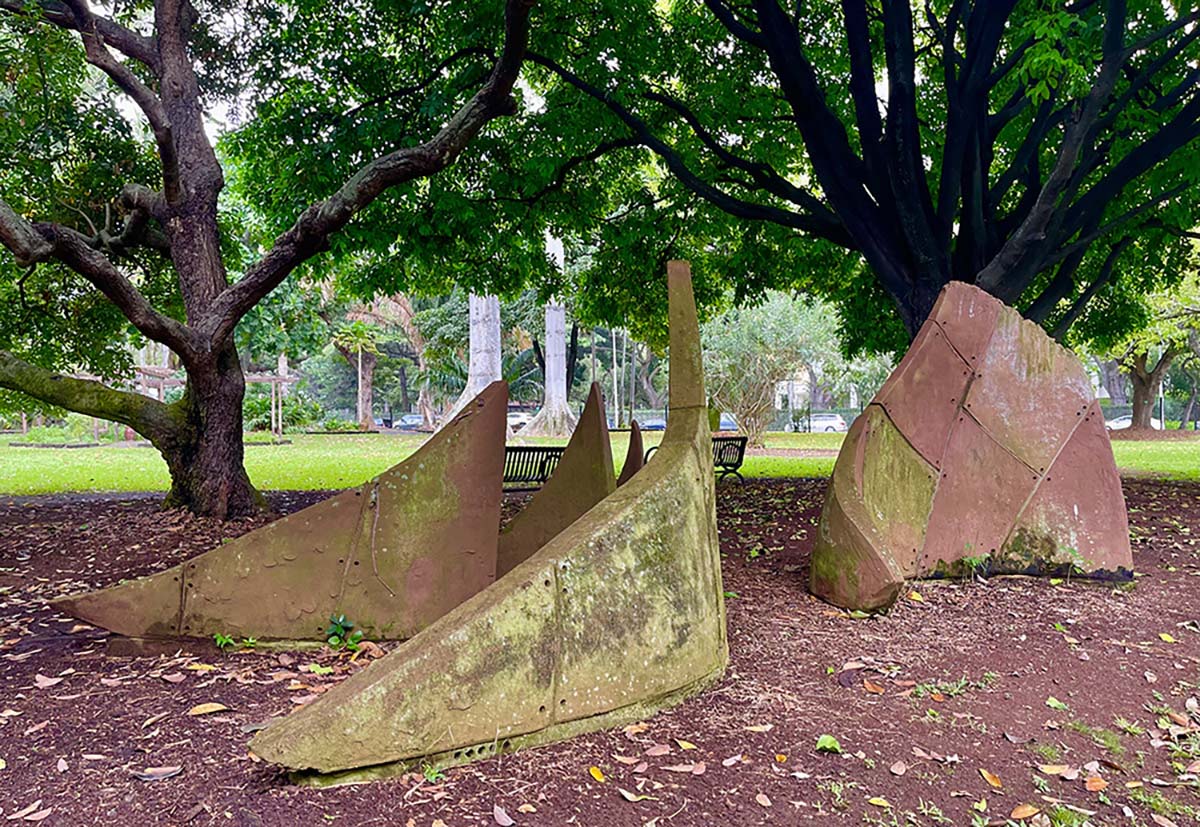
Once you feel like you’ve had enough of the densely-packed neighborhood of Chinatown, walk just 10-15 minutes to Foster Botanical Gardens, and check out their incredible conservatory and botanical collection. Scattered around their lavish & historic campus, you’ll find really interesting sculptures, including a 1977 ceramic sculpture by Bob Flint. Return to your car when you are pau (finished).
5 PM: United Public Workers Building Mural
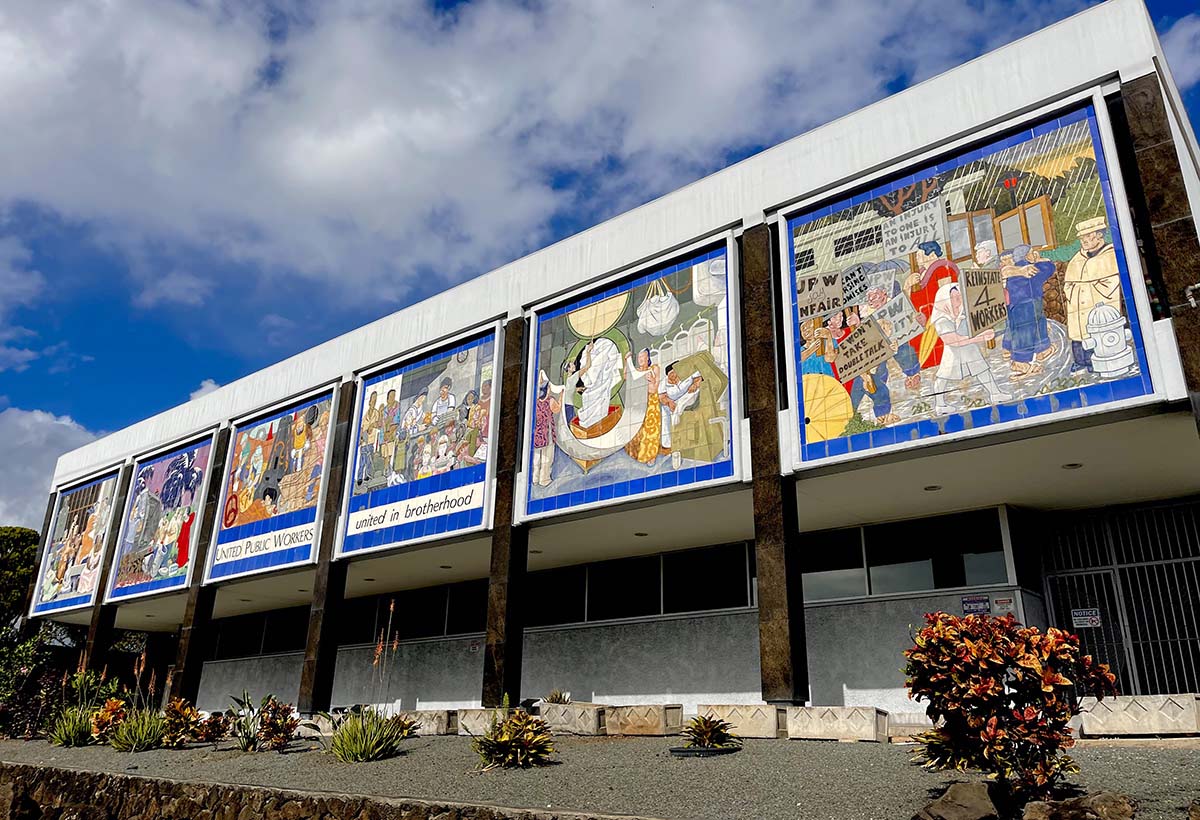
One of my favorite pieces of art history of these islands is the unexpected connection with Mexican art. Jean Charlot, a French-American artist with Mexican heritage, was the first to introduce the fresco mural technique that he had learned in France to Diego Rivera and the other Mexican muralists, making him an important founder of the art movement.
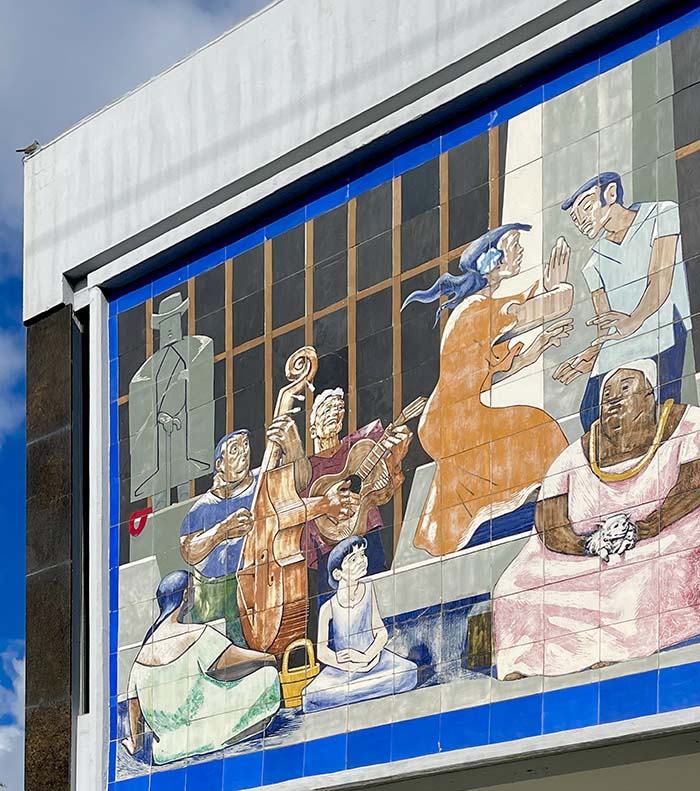
During his years in Hawaiʻi, Charlot shifted his artistic lens from scenes of Mexican craftspeople and laborers to the working lives of Hawaiʻi’s own people. His commissioned United Public Workers mural celebrates local laborers engaged in essential industries such as sanitation, hospitality, and manual work. Several panels even depict historic strikes and sit-ins, echoing the collectivist, pro-worker themes central to the Mexican Muralist movement.
This mural, created with arrays of hand-painted ceramic tiles, was a collaboration between Charlot and ceramicist Isami Enemoto, one of the first students of Claude Horan.
5:15 PM: Dinner
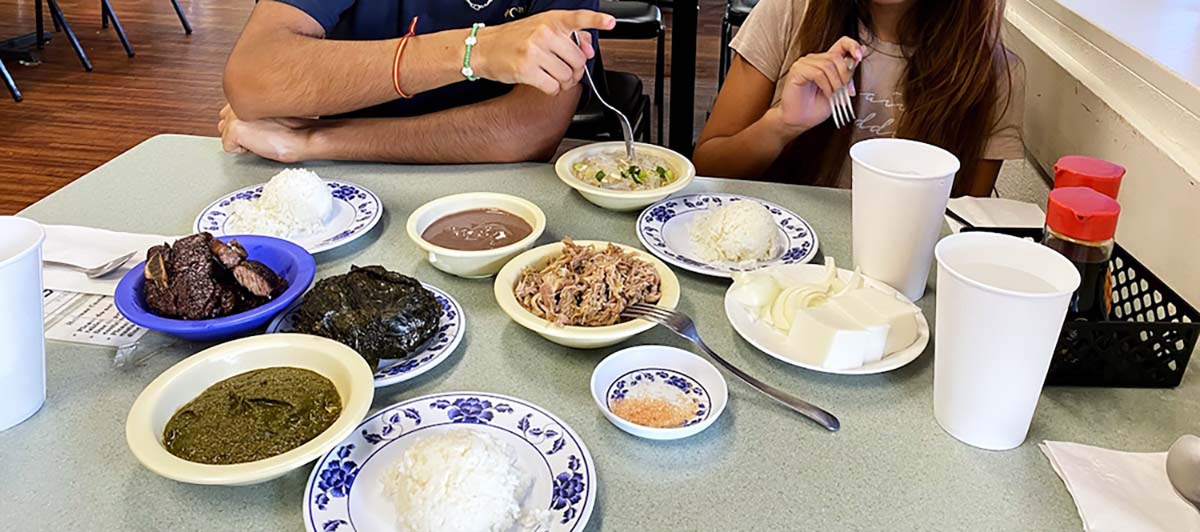
A Honolulu fixture, the critically acclaimed Helena's Hawaiian Food has been serving traditional and contemporary classics since 1946. Jean Charlot was actually personal friends with the founder, Helena Chock, who catered his art receptions in exchange for artwork from Charlot. Many of these pieces still hang within the restaurant.
Tip: If you order the pipikaula short ribs, you’ll see they come with a complimentary side of sweet onion and red rock salt. First, take a bite of the ribs, then dip your onion in a little salt and take a bite of your salty onion after your rib. Don’t forget your complimentary haupia (Hawaiian coconut pudding).
6 PM: Capitol Modern / Art District Theatres
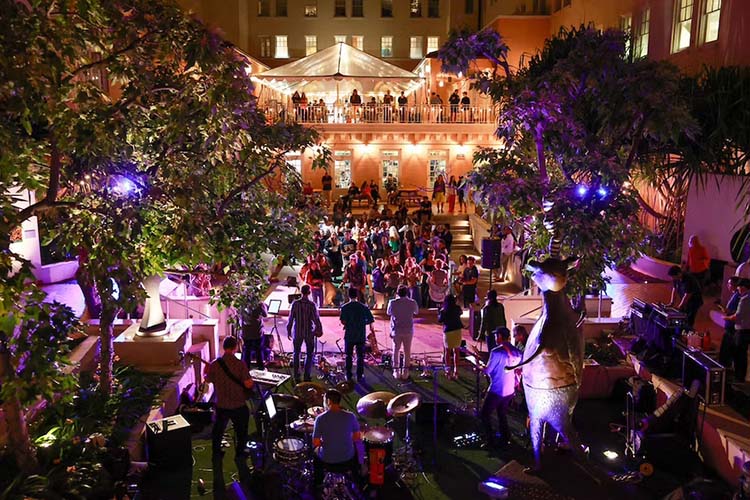
If you’re lucky enough to find yourself in Honolulu on First Friday, head back to Capitol Modern from 6:00 to 9:00 PM. See how the gallery comes to life at night, pick up some art, stickers, and snacks from local vendors, and enjoy a free concert in the Sculpture Garden.
Tip: If it’s the First Friday of the month, be sure to check out the other Chinatown galleries between 5:00 and 7:00 PM; most will have opening receptions throughout the neighborhood. It’s a great chance to meet the artists, who are usually the ones wearing lots of lei (flower garlands).
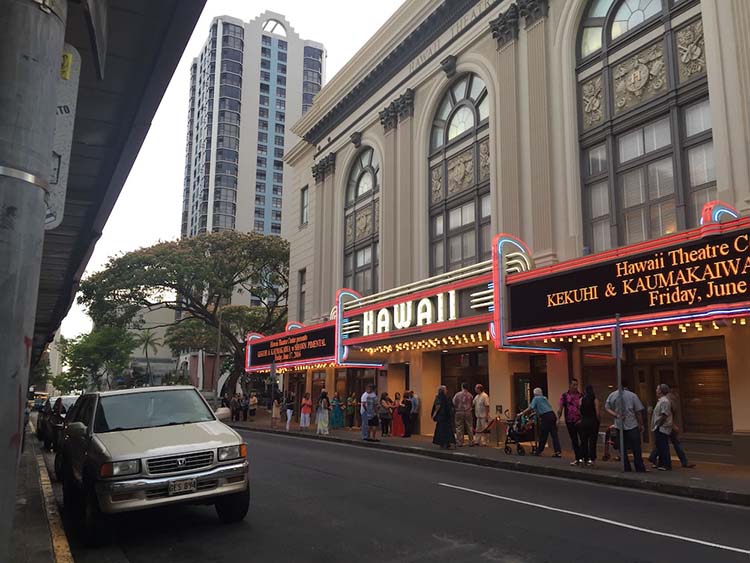
If you’re not in town for one of these nights, no worries! You can catch a show at the Hawai‘i Theatre Center, which hosts comedians, musicians, plays, and more inside a nationally recognized, 103-year-old neoclassical building. Even if you don’t see a show, it’s worth a visit for a photogenic selfie in front of the iconic neon marquee.
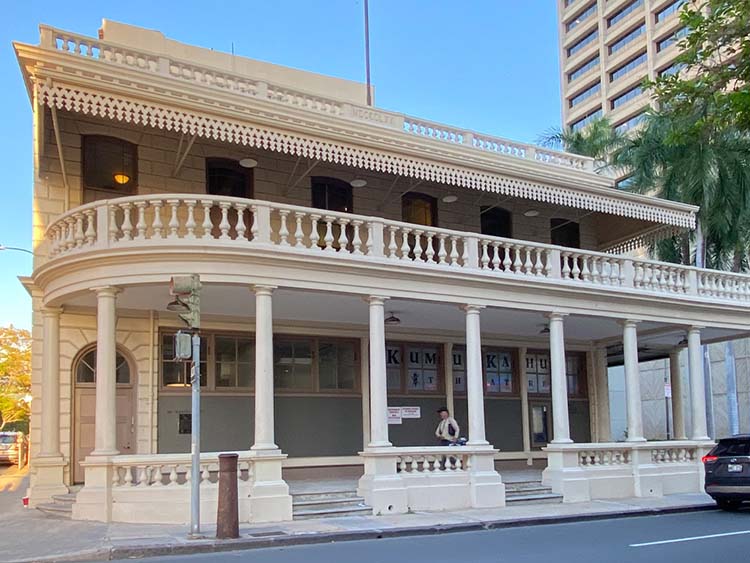
In Hawai‘i, locals often use the words mauka (mountain) and makai (sea) to give directions; a uniquely island way of orienting yourself. Since we’re in Honolulu learning to navigate Hawai‘i-style, if you walk makai down Bethel Street, you’ll find Kumu Kahua Theatre, a treasured (and underappreciated) performing arts venue focused on plays about Hawai‘i, written by playwrights from Hawai‘i. This intimate community theater is a must for anyone looking to support independent, locally produced performances.
9 PM: Chinatown Nightlife
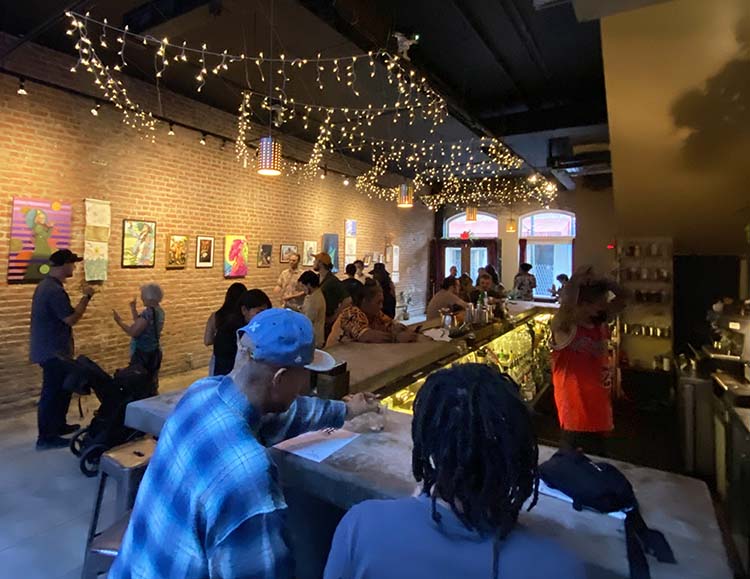
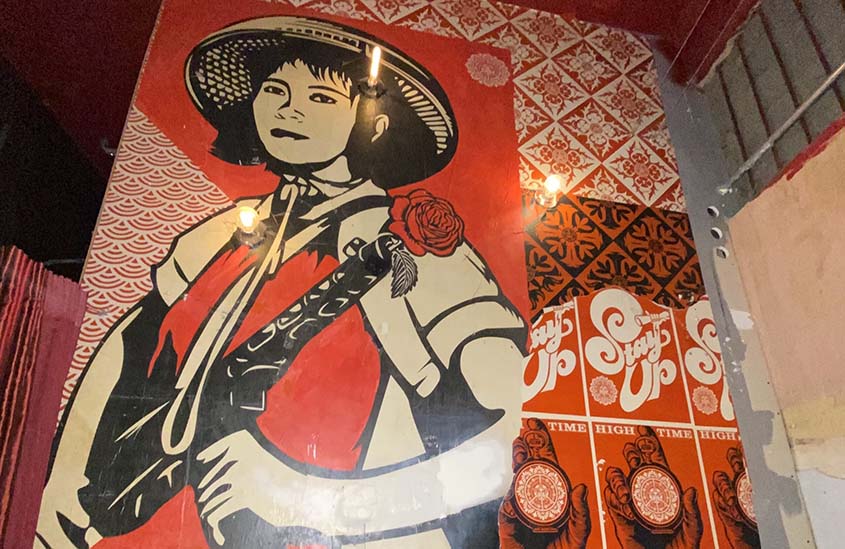
After satisfying that performing-arts itch, return to Hotel Street again to see how it transforms from the Arts District during the day to the Nightlife District after the sun sets. Some highlights are The Manifest, with exhibitions by rotating local artists displayed on the walls, and NextDoor, which inconspicuously houses a mural by OBEY artist Shepard Fairey, created during his time visiting Oʻahu.
If you’re looking for a late-night club scene, Scarlet Honolulu is one of the last remaining queer bars in what was once a bustling red-light district for traveling armed servicemen.
Still hungry? Here are a few favorites to check out if you’re craving a little late-night bite: Obake for their small skewers and cocktails, J. Dolans for pizza and beer, and Wing Ice Cream Parlor for small-batch, locally inspired ice cream flavors.
DAY 2 | Shangri La & Honolulu Museum of Art
7:30 AM: Breakfast
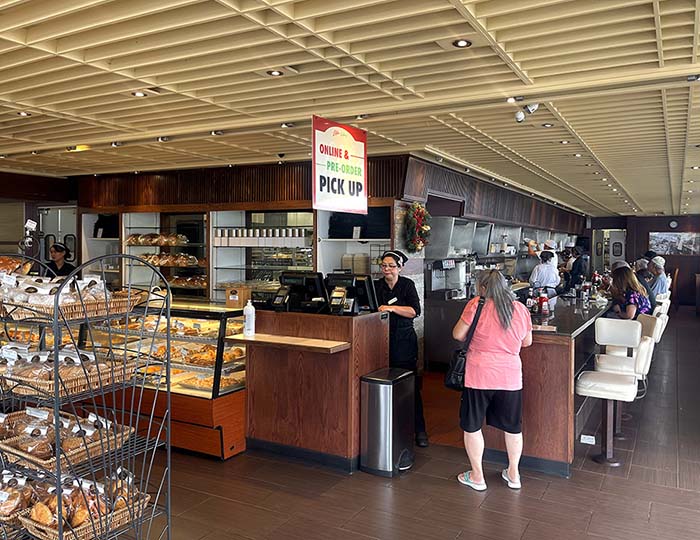
After all that drinking (or dancing) the night before, you’ll probably want a hearty breakfast to help your body regain its full faculties. One of the only “typical” Hawaiʻi digs on this list, Liliha Bakery’s restaurant counter has been a staple of Honolulu’s food scene since 1950. If you’ve ever wanted to try loco moco (hamburger steak, white rice, and a runny egg smothered in brown gravy), this is the place. Just be sure to come hungry.
Tip: For something sweeter, try their famous Cocoa Puff, but my lesser-known recommendation is the simple Butter Roll with bright red Liliha Jelly. What is this fluorescent mystery jelly made of, you may ask? No idea—but damn, is it good.
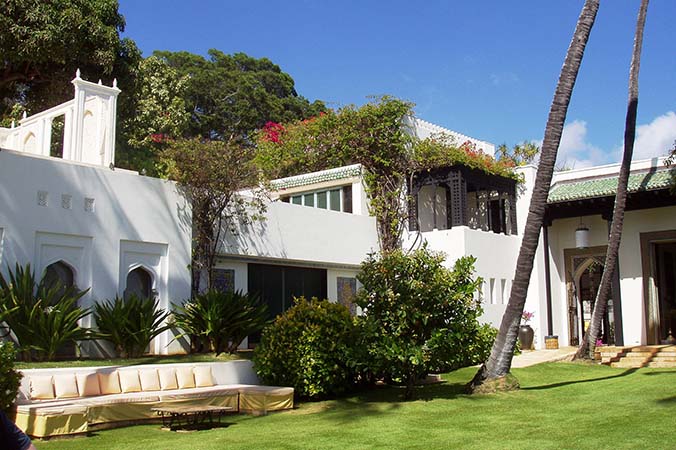
9 AM: Shangri La
One of Honolulu’s better-kept gems is the Shangri La Museum of Islamic Art, Culture & Design.This historic estate, built by philanthropist Doris Duke in the 1930s, houses more than 4,500 artworks collected over 60 years, including remarkable examples of Islamic ceramics. Be sure to book your reservation in advance and enjoy the complimentary shuttle that departs from the Honolulu Museum of Art for a scenic 20-minute ride through town.
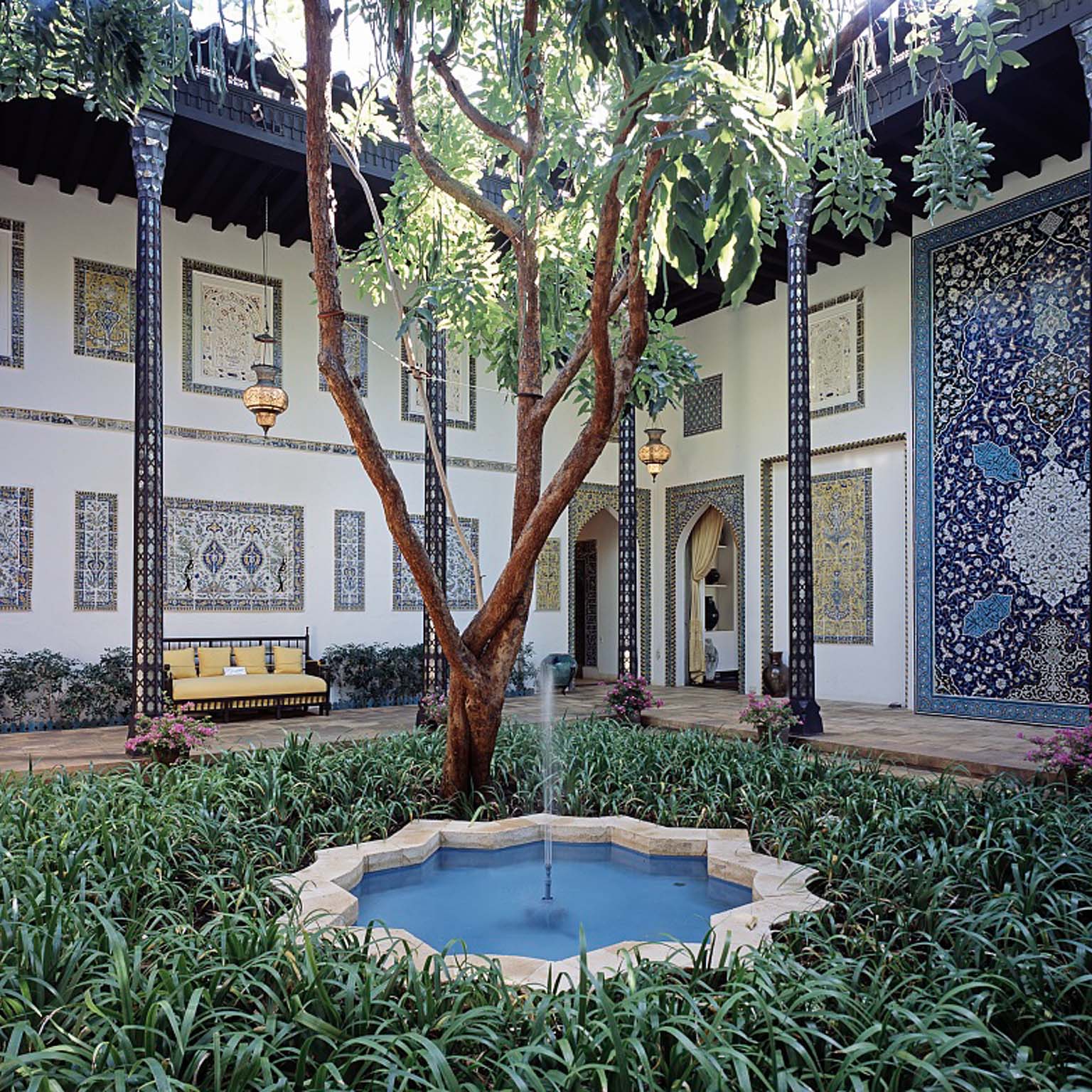
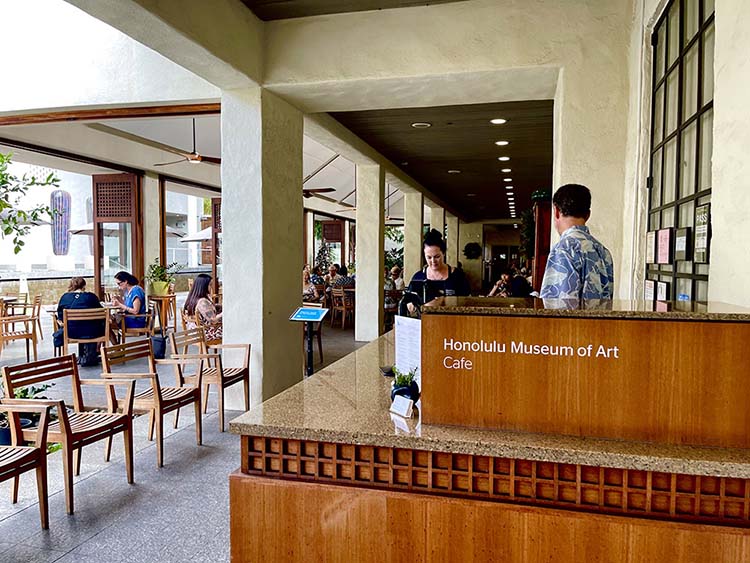
12 PM: Lunch at Honolulu Museum of Art Café
After being dropped off back at HoMA, you might as well take advantage of the complimentary same-day admission included with your Shangri La ticket purchase. Check out the open-air courtyard that houses the HoMA Café, overlooked by a beautiful series of ceramic works by Jun Kaneko.
1 PM: Honolulu Museum of Art
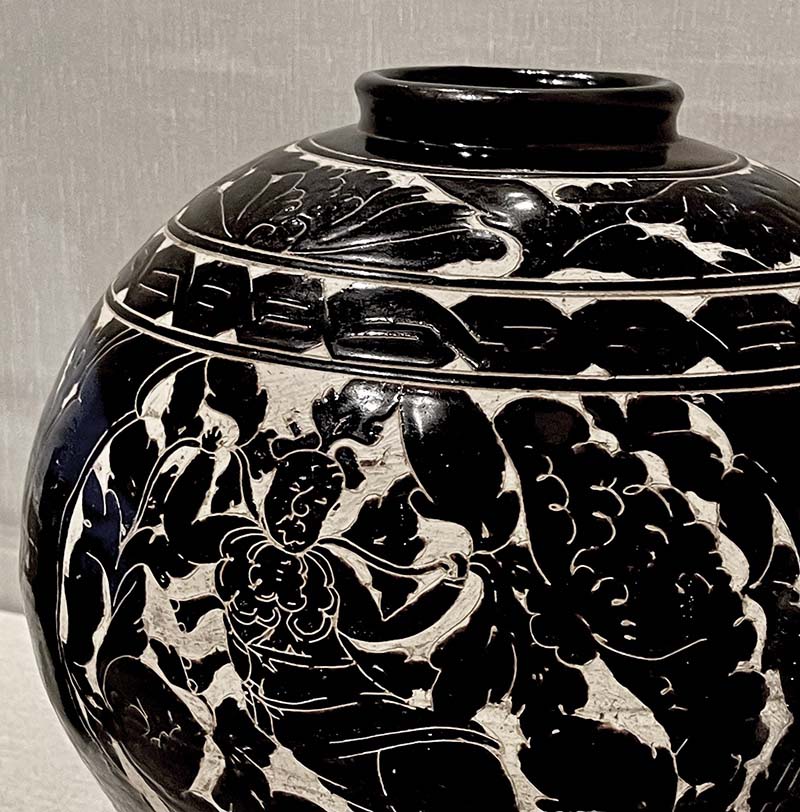
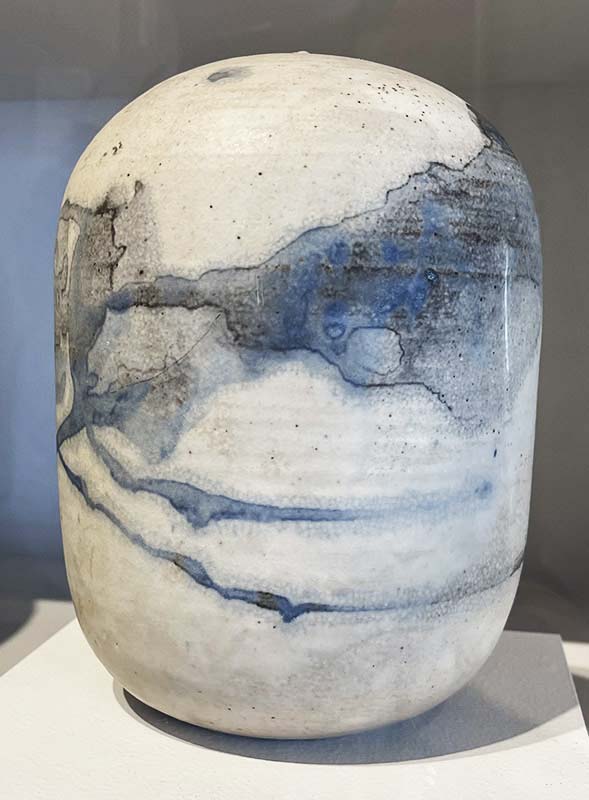
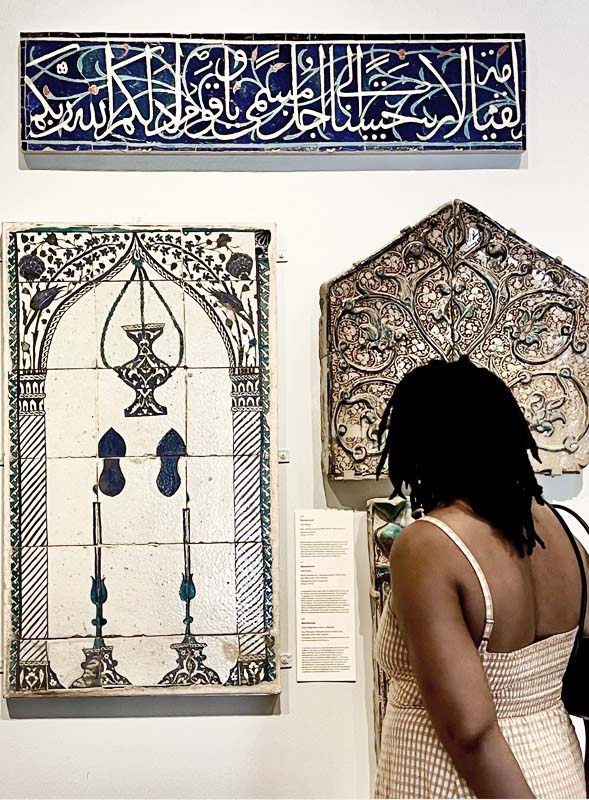
Once you’ve fully refueled at the café, walk off the calories by exploring the expansive Honolulu Museum of Art.Featuring examples of ceramics from across space and time, some highlights include collections from ancient Asia, and, if you’re lucky, you might catch some of their permanent-collection ceramics from the Americas on display. These include historic figurative sculptures from Andean civilizations, as well as more contemporary works from Pueblo artists of the Southwest, such as Virgil Ortiz and Maria Montoya Martinez.
6 PM: Puʻu Ualakaʻa State Park (Tantalus Lookout)
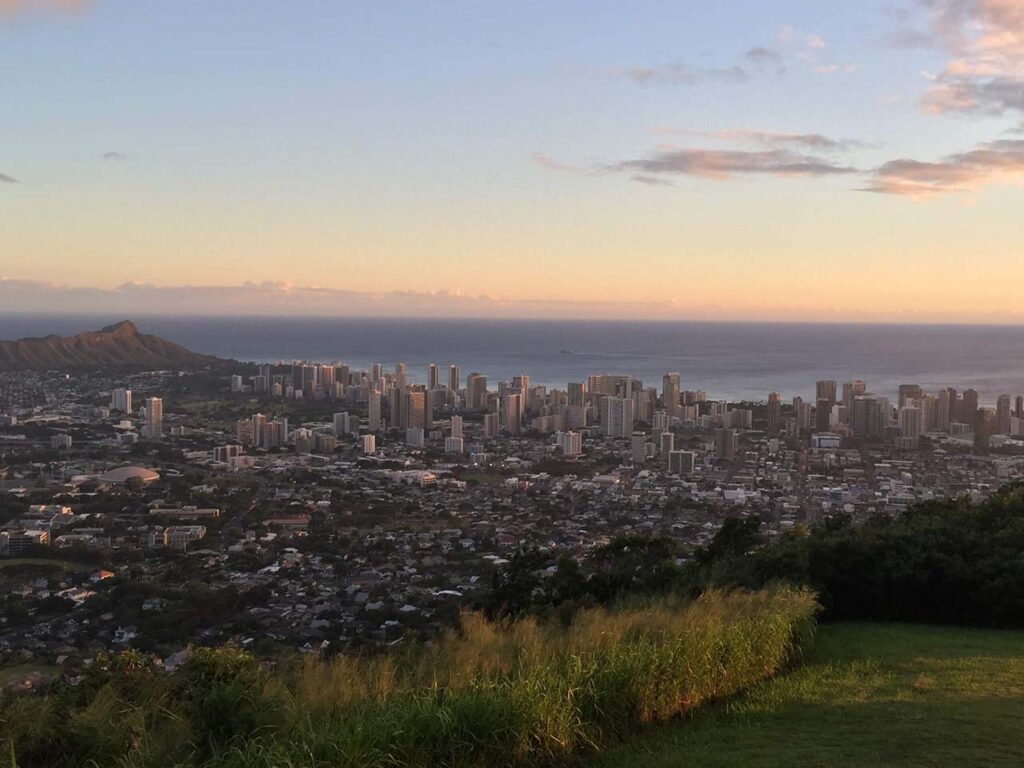
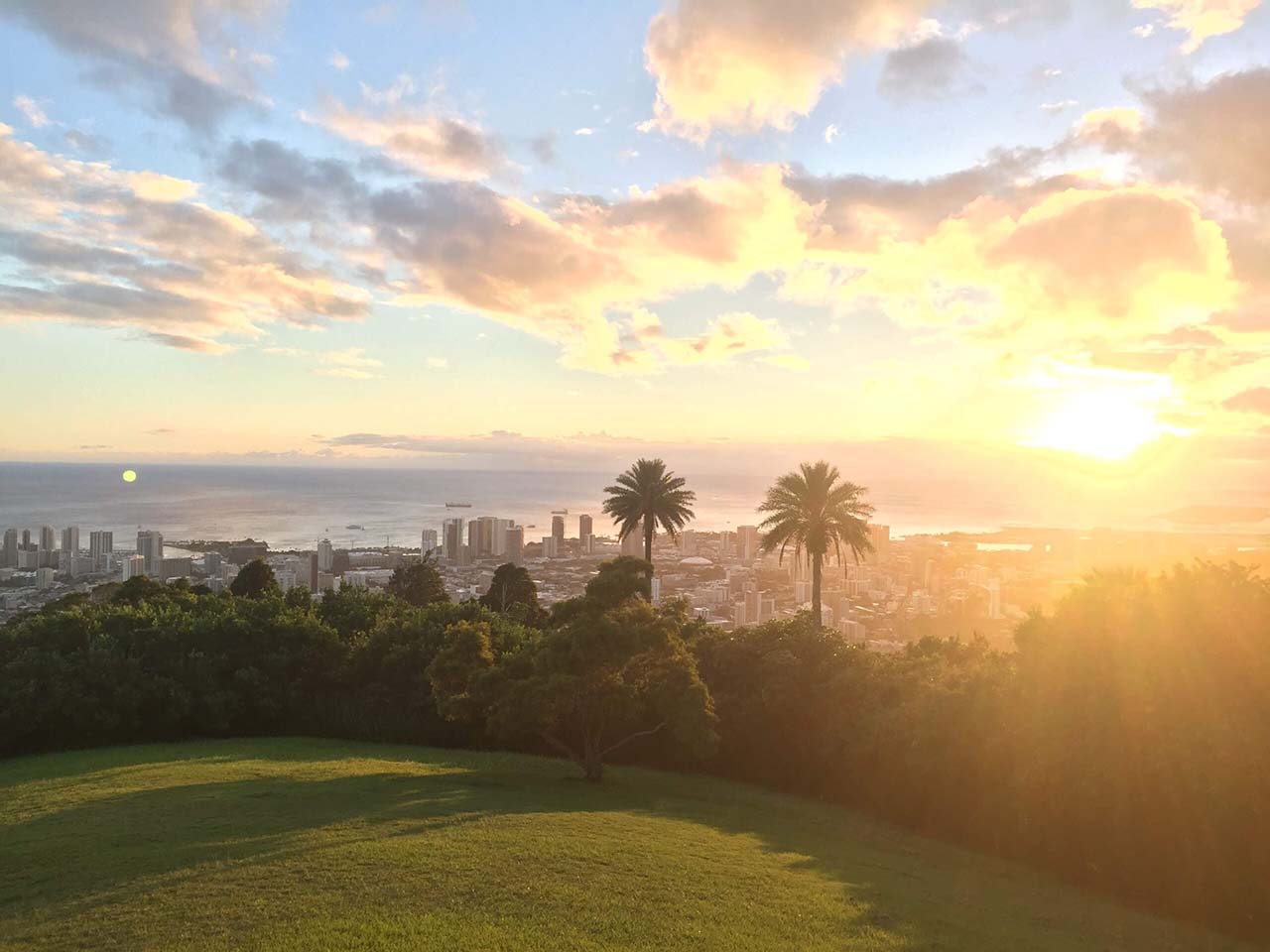
Rounding off your day, be sure to get some fresh air at this popular sunset lookout. Puʻu ʻUalakaʻa, or Tantalus, as it’s colloquially called, is one of the best places to watch the sun set over urban Honolulu after a long day indoors. Just be sure to never leave valuables in your car, as the parking lot is unattended and known to be a high-theft area (all the best spots on Oʻahu are). That said, the view is absolutely worth it.
Punchbowl National Cemetery of the Pacific
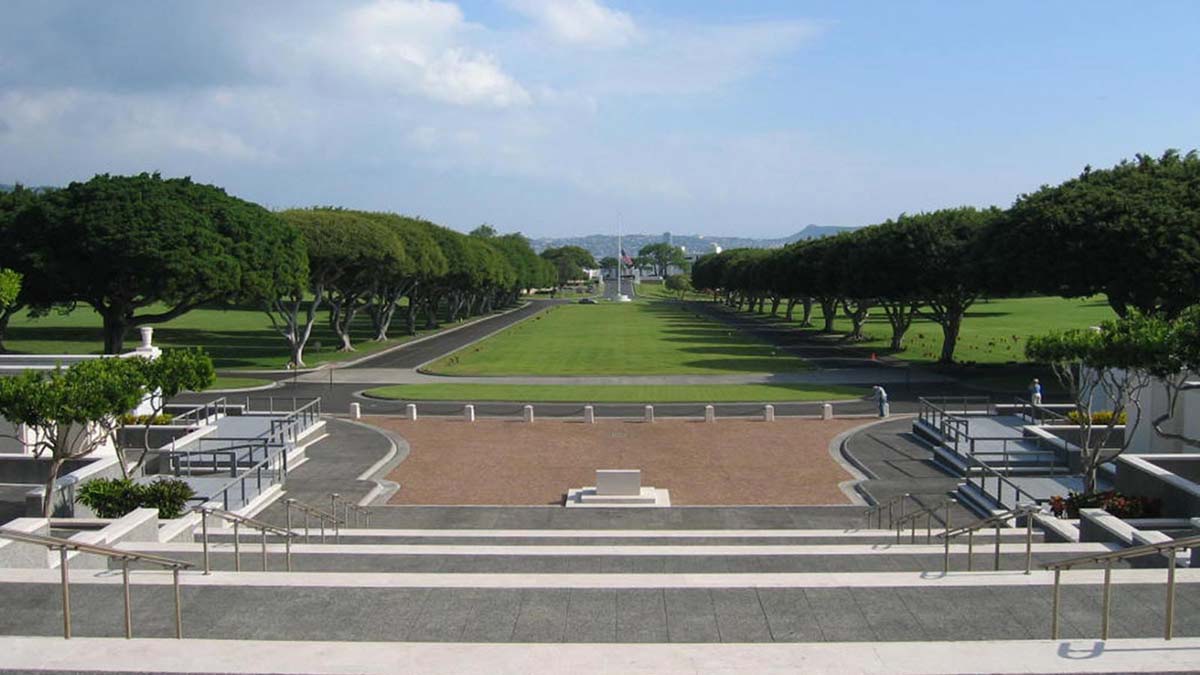
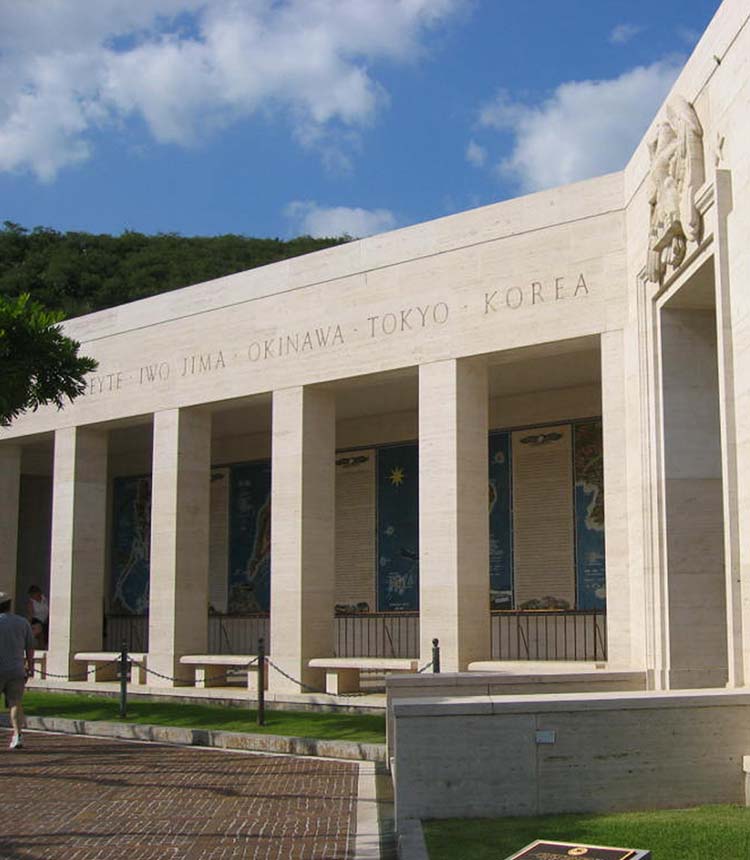
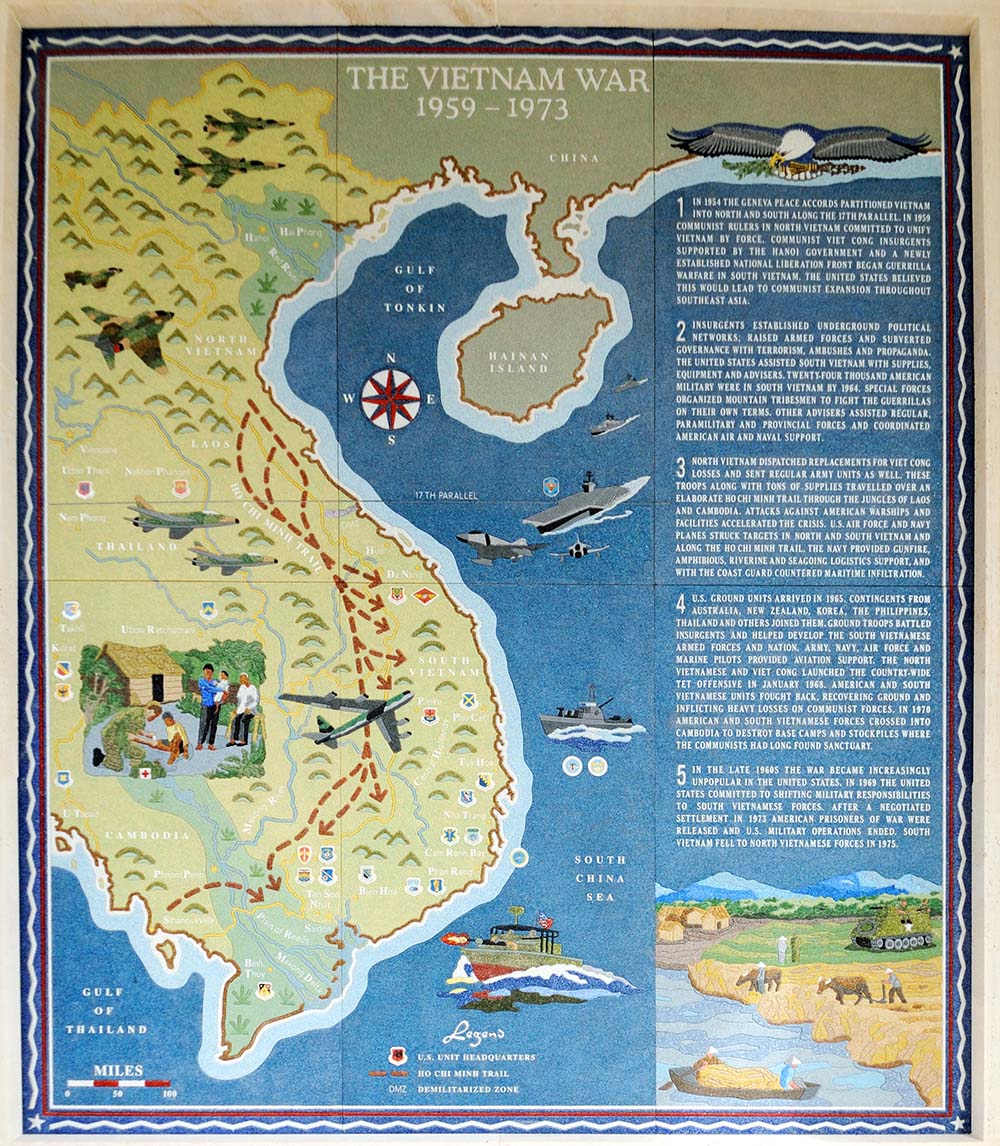
Another meaningful stop nearby is the Punchbowl National Cemetery of the Pacific, if time allows. Open daily from 8:00 AM to 6:00 PM, the cemetery sits within an extinct volcanic crater overlooking Honolulu. Long before it became a national memorial, the site was known to Hawaiians as Puʻowaina, meaning “hill of sacrifice,” and held deep spiritual and historical significance. Today, the grounds honor U.S. service members who died in combat, with burial sites spanning World War II, the Korean War, the Vietnam War, and beyond. At the heart of the cemetery, the memorial court and main pavilion feature a series of monumental mosaic maps—each over ten feet tall—depicting major battle theaters. The site offers a powerful, contemplative space where history, memory, and landscape converge.
7 PM: Dinner
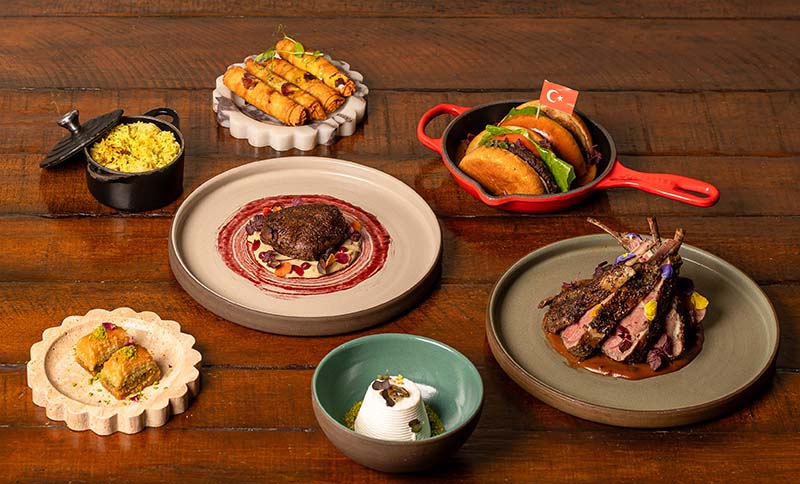
Istanbul Hawai‘i
There are many options for a unique dinner, but if you’re talking colorful ambiance and farm-to-table excellence, it’s hard to beat Istanbul. Located in the nearby Kakaʻako neighborhood, this 100% woman-owned Mediterranean restaurant is a great way to end your Saturday with a touch of cultural flair.
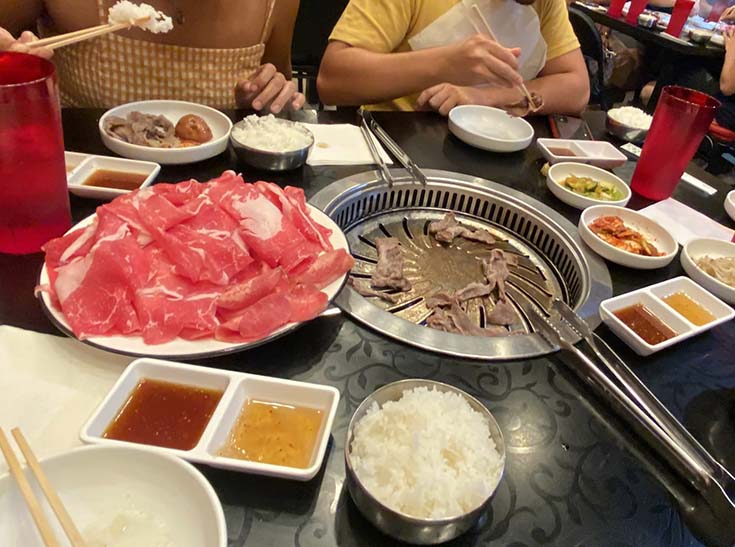
Sik Do Rak
For less frills and more fill, head to Sik Do Rak on Keʻeaumoku Street for an all-you-can-eat Korean BBQ feast.
Recommendation: Sik Do Rak is BYOB, and I highly recommend picking up some Hawaiʻi-made pineapple hard cider at a nearby supermarket to make the most of your dollars. Don’t forget to bring cash for the parking fee, though the restaurant does offer partial validation.
DAY 3 | East Honolulu (Lē'ahi, Mānoa, Kapahulu)
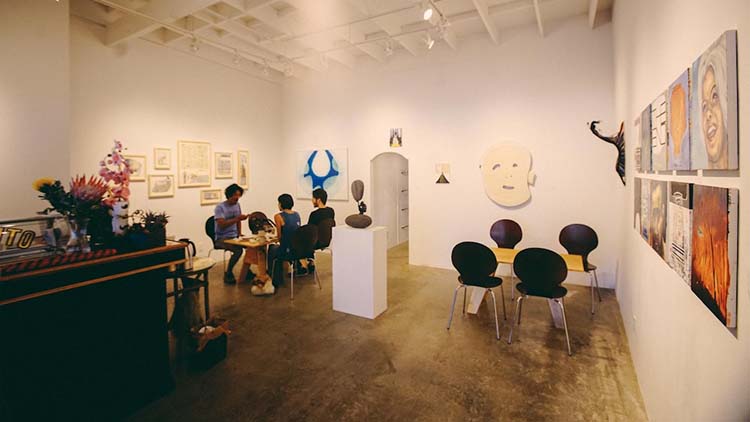
7 AM: Coffee
For a dependably good start to your morning, make your way over to ARS Cafe on Monsarrat Avenue, an art gallery and café. Grab a sandwich and sip your espresso as you take in their contemporary art displays in the seating area.
7:30 AM: Lē'ahi Hike
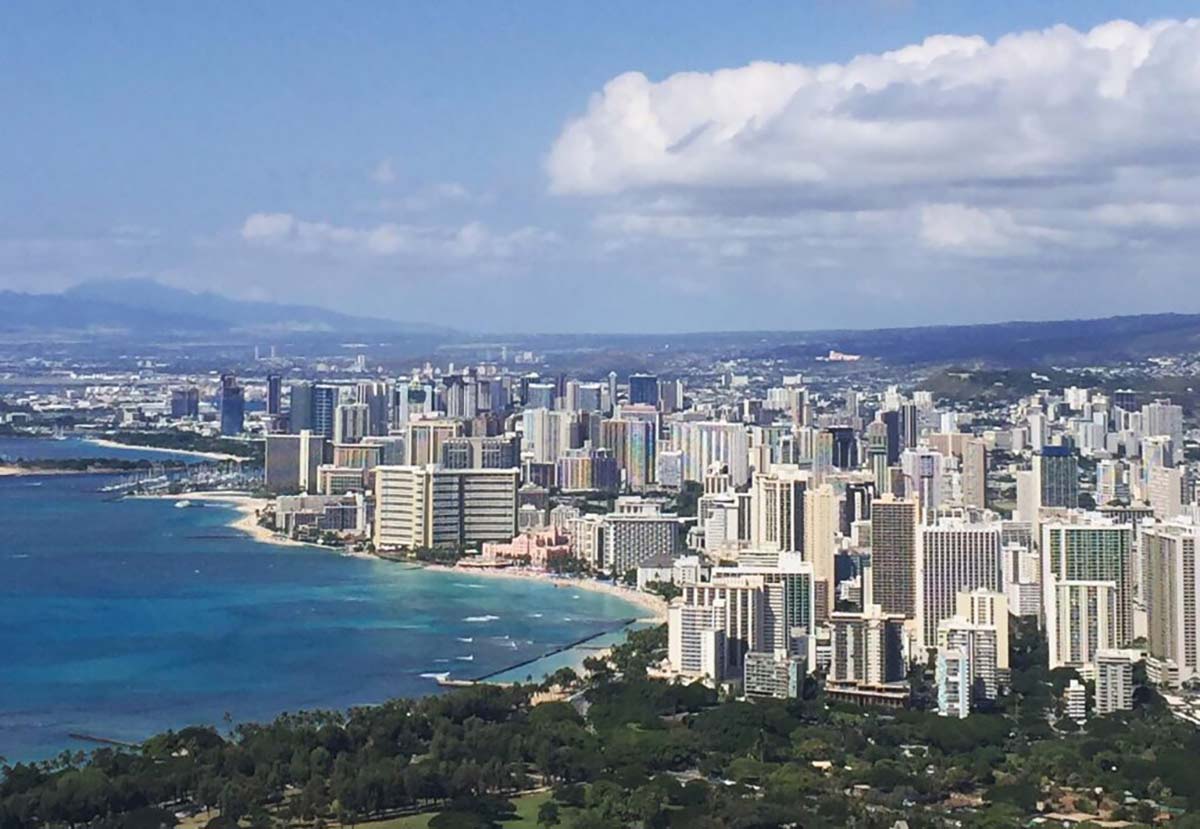
It’s time to head to Lē‘ahi, colloquially known as Diamond Head, a name given by Western explorers who mistook the calcite crystals they found there for diamonds. It’s a moderate hike with an incredible view overlooking Honolulu and the Pacific Ocean. Make sure you have your hiking shoes and a refillable water bottle.
10:30 AM: Brunch
After cooling down from your morning workout (and hopefully a shower), you and your bed-headed friends who ditched the hike can reunite at YogurStory on Keʻeaumoku Street. If you’ve never had the Filipino specialty ube (purple yam) before, now’s your chance.
Tip: Kalua Pig Eggs Benedict and Ube Pancakes to share with a loved one — plus, they have an incredible selection of tropical mimosas if that’s your thing. Otherwise, pineapple juice is my go-to.
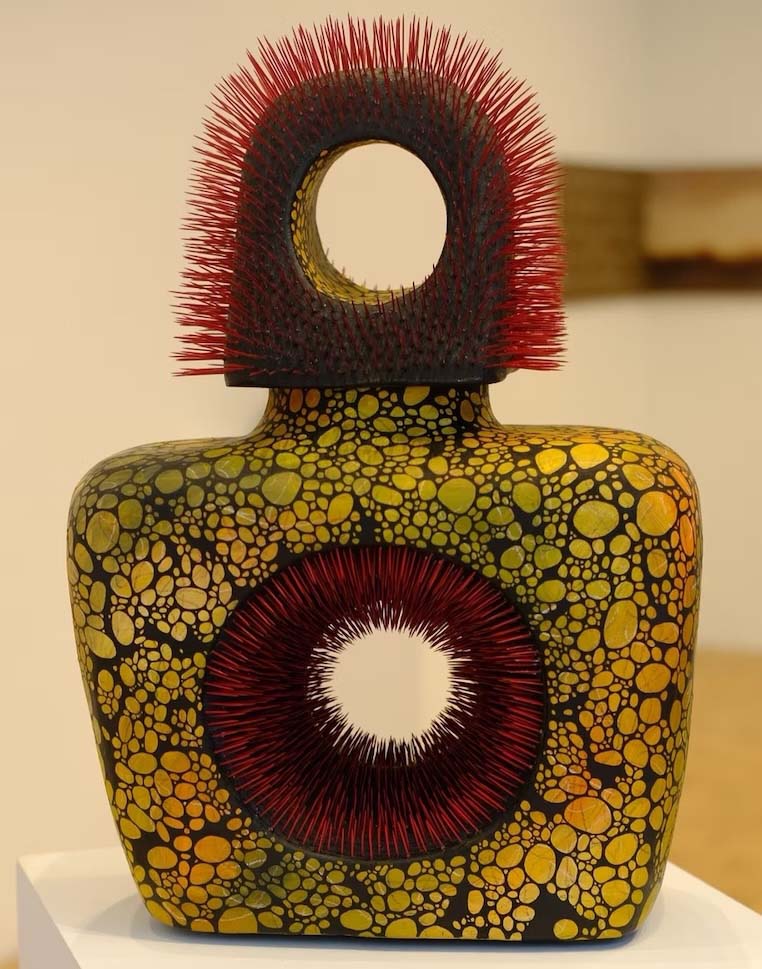
12 PM: University of Hawaiʻi
To see what Hawaiʻi’s new generation of ceramicists is up to, pay a visit to the University of Hawaiʻi Art Department gallery.Parking is free on Sundays.
Inside the Art Building, you’ll find the UH Art Gallery and the Commons Gallery, where you can catch curated shows by students, faculty, invited artists, and BFA and MFA candidates.
Be sure to also check out the East-West Center for its rotating collection, or the John Young Museum of Art, the university’s on-campus art museum.
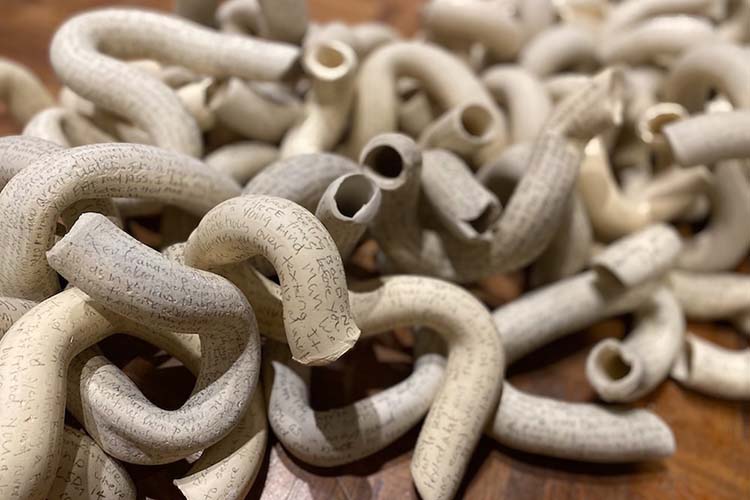
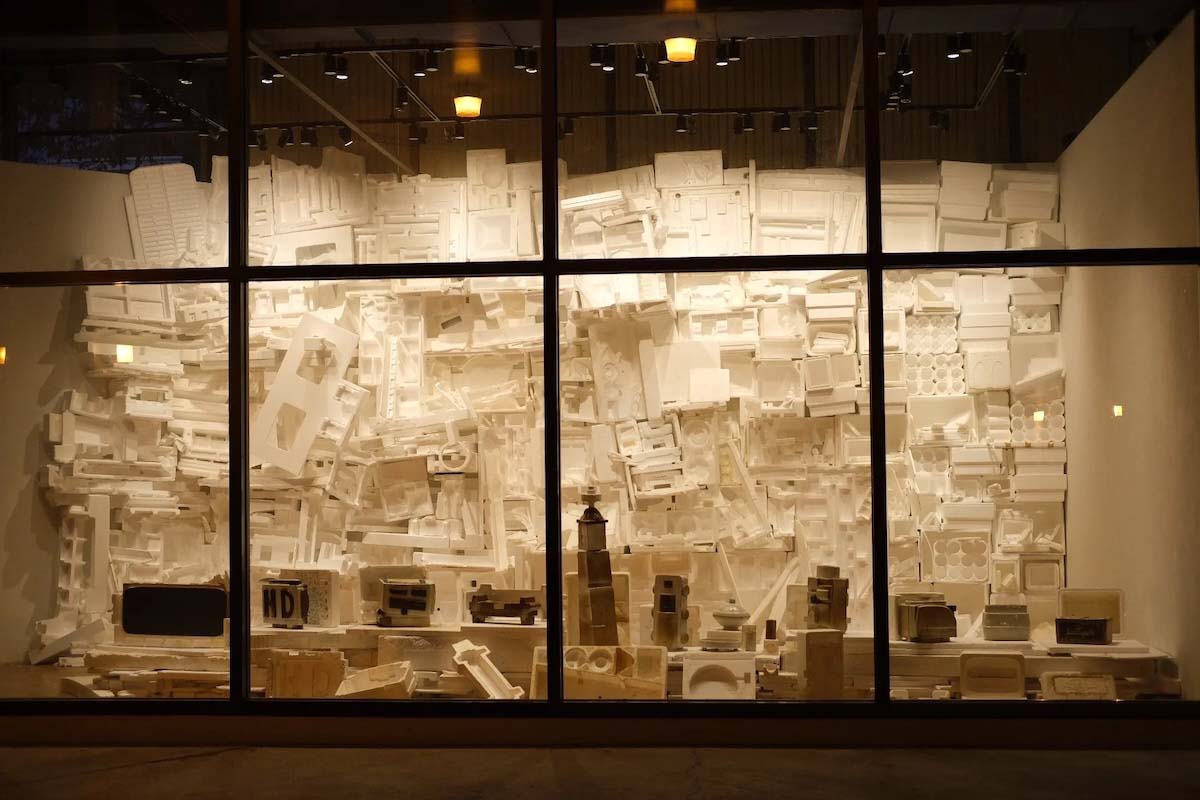
1 PM: Hawaiʻi Potters' Guild & Fishschool
Established in 1967, the Hawaiʻi Potters' Guildwas a cooperative formed by a group of dedicated potters with a mission to share ceramics with the broader community outside of the University of Hawai’i. Of the many prolific past members with prominent works in the Hawai'i Art in Public Places collection, one that comes to mind is Bob Flint, whose public sculpture we saw at Foster Botanical Garden.
HPG’s first ceramic classes were taught dangerously, under a freeway off-ramp, but these days you can witness their craft come to life in their lived-in studio on Bingham Street (still under the off-ramp.)
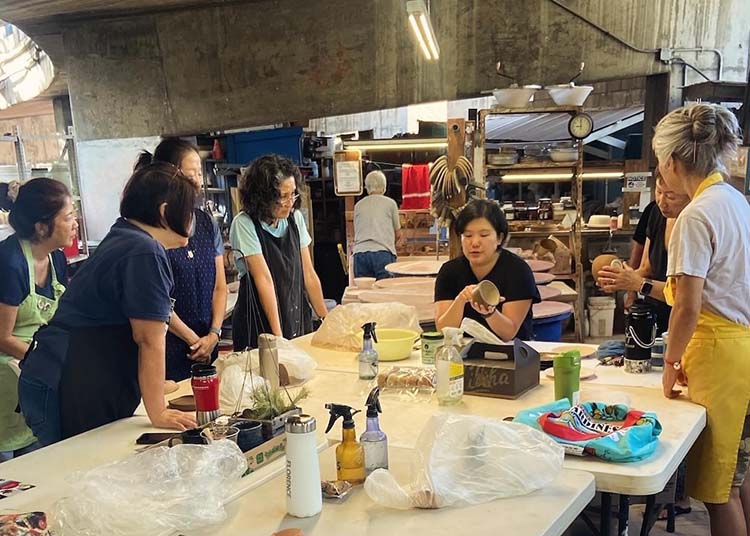
The guild has gradually expanded and renovated its space through generous donations of both time and resources. The guild is well known for its nonprofit community efforts, including Empty Bowls Hawaiʻi, an annual initiative that raises funds by selling hand-thrown bowls in partnership with the community food and farming organization Chef Hui. A visit to HPG is well worth the effort while in Honolulu, though advance arrangements are required—be sure to call ahead. Through its classes, workshops, and outreach programs, the guild offers a rare opportunity to experience the living history of Hawaiʻi’s clay community in action.
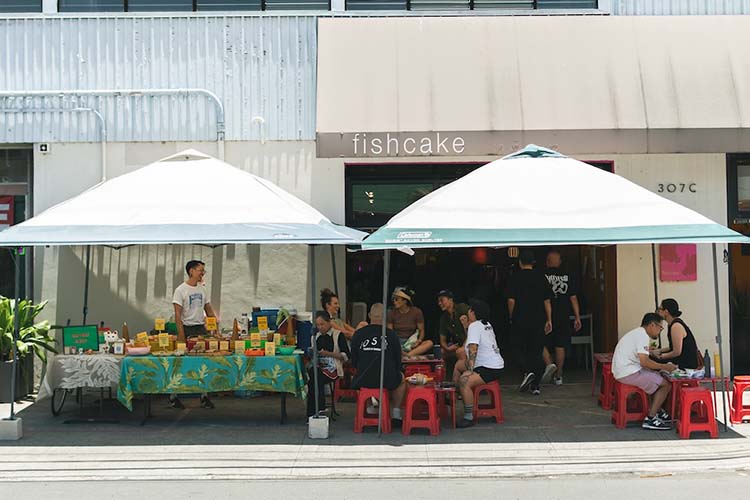
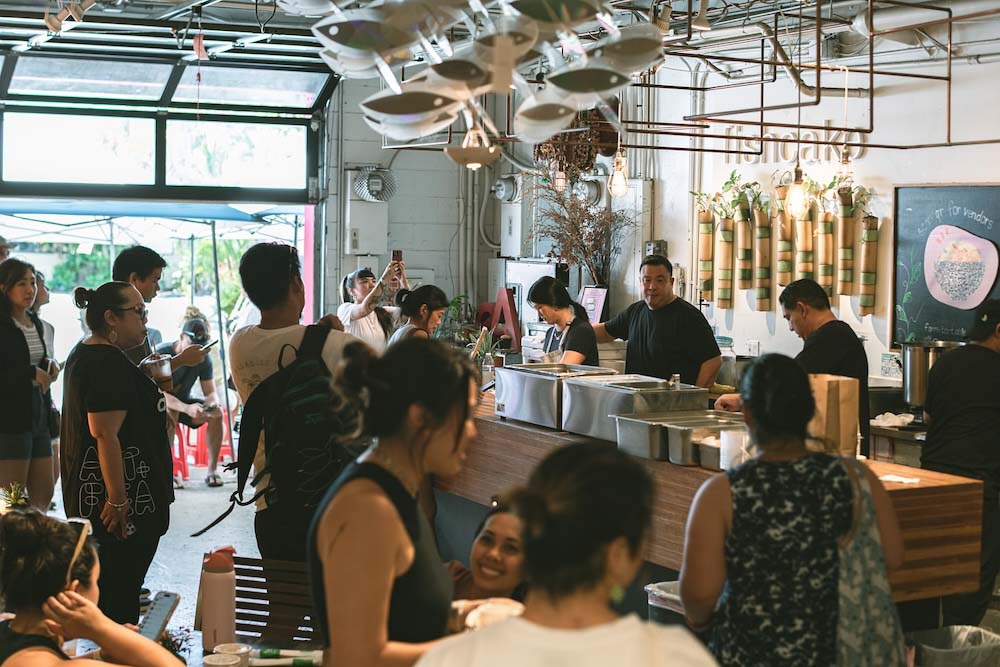
While you’re in a studio-visit mood, drive over to Fishcake and check out some of the ceramics displayed around their design studio. In the back, you’ll find Fishschool,another shared studio space nestled within the Kakaʻako community. On Sundays, you can grab a lunchtime snack from Fishcafe, a culinary artist incubator that lets you sample dishes from multiple local chefs.
2:30 PM Fort Ruger Market
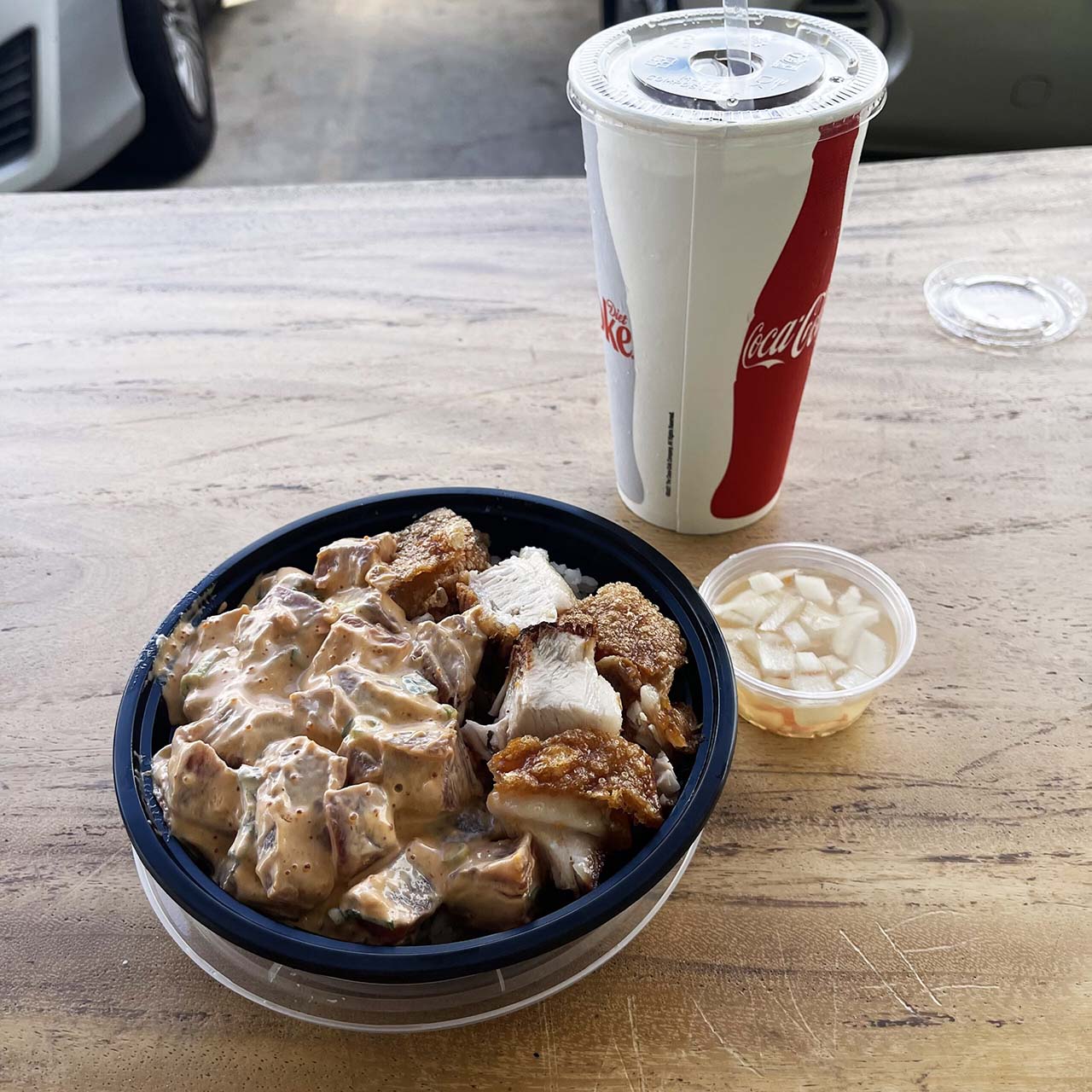
Whether you’re weary, curious, or excited to try Hawaiian poke (cubed raw fish), Fort Ruger Market is worth a visit. This island-wide favorite is the perfect place to experience the purest form of a “cultural melting pot”—the mixed plate lunch. Combine Hawaiian poke with Filipino lechon (crispy pork belly, onion, tomatoes, and vinegar) or fried chicken with beef stew — the possibilities are endless.
Tip: Grab their in-house smoked ahi dip, your choice of chips, and enjoy.
3:00 PM: Waikīkī Aquarium
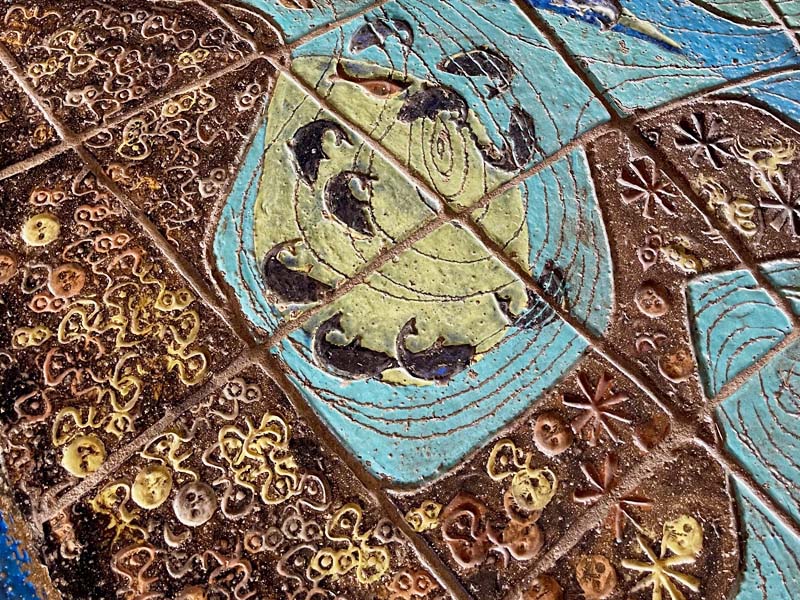
Walking into the Waikīkī Aquarium,we can reflect on the lineage of ceramics in Hawaiʻi as we gaze down at Vita Marinae, a ceramic mosaic by Claude Horan and part of the Hawaiʻi State Art in Public Places collection. The Waikīkī Aquarium is always a fun stop, and it’s worth supporting their conservation efforts in Hawaiʻi, including their pioneering work in coral restoration and reef recovery.
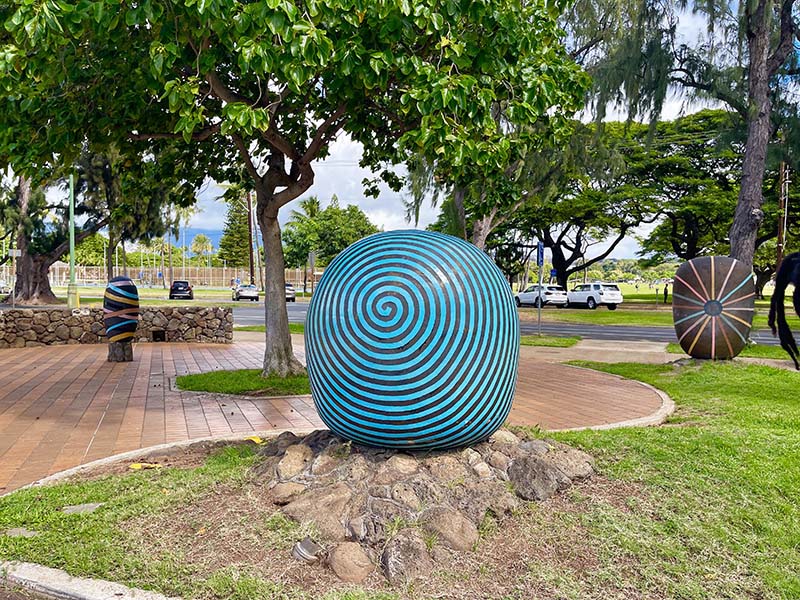
5 PM: Kaimana Beach
Now that you’ve seen the fish do it, it’s your turn to swim. Right next to the Waikīkī Aquarium, you’ll find Kaimana Beach, a great place to dip your toes in or get a little exercise. This beach has many claims to fame, one being that it was the preferred spot of Robert Louis Stevenson during his travels to Hawaiʻi. It was here that he found the inspiration and calm environment to pen one of the most famous works of literature in history, Treasure Island.
Stronger swimmers can make the journey to the windsock and back, following a reef channel that’s home to honu (sea turtles) and, on occasion, the endangered Hawaiian monk seal—sometimes with a newborn pup resting at the far end of the beach, despite its popularity.
6 PM: Dinner
Tokkuri Tei is one of the first izakaya-style restaurants in Hawaiʻi, opening in 1989. Unfussy yet extremely high-quality, it serves sushi, small plates, and drinks in a setting where you’ll often find local families celebrating and spending time together.
For those looking for a drink to close out the day, they offer hobu sake for the adventurous — and an extensive sake menu for everyone else. Oʻahu-based ceramicist Ryan Schultz recommends always starting with the enoki batta, unagi, and seafood risotto. He adds that the uni bomb is an incredible combination of raw quail egg yolk, uni, grated daikon, and tobiko with a splash of ponzu.
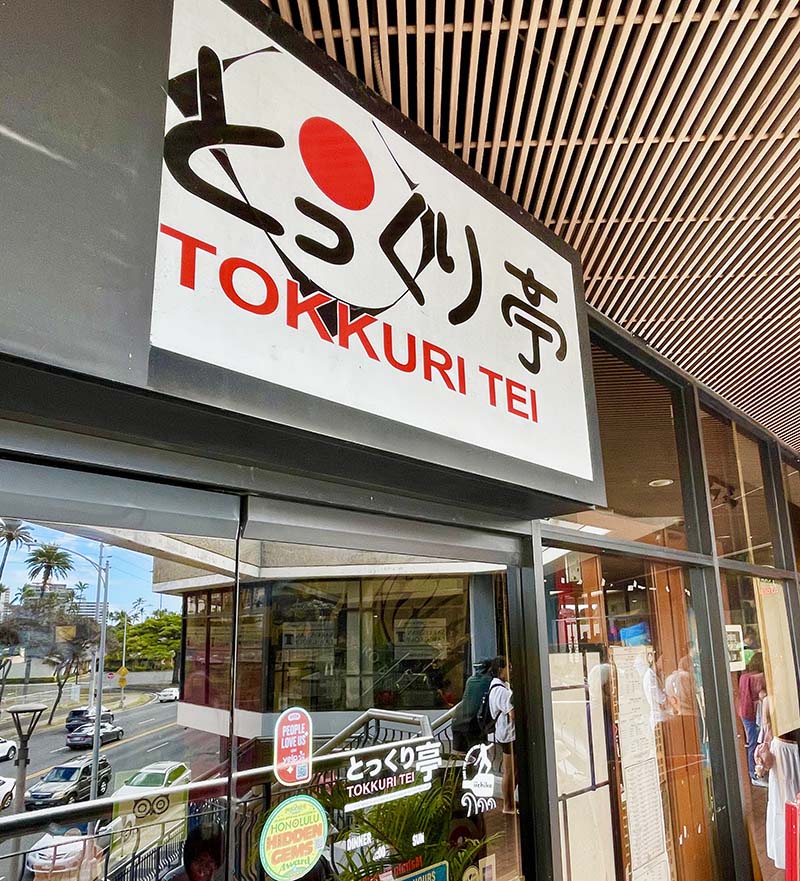
By the time you’re sharing sake and small plates at Tokkuri Tei, you’ll start to notice how seamlessly Honolulu’s ceramics story weaves through everything—how the work of key figures like Claude Horan and programs like Art in Public Places set the stage for the contemporary ceramic works we see today at places such as UH Mānoa and the Hawaiʻi Potters' Guild.
Bonus Stop to North Shore Art Center & Haleʻiwa
Approximately a 42-minute drive by car, or about 1 hour and 10 minutes by bus from Honolulu.
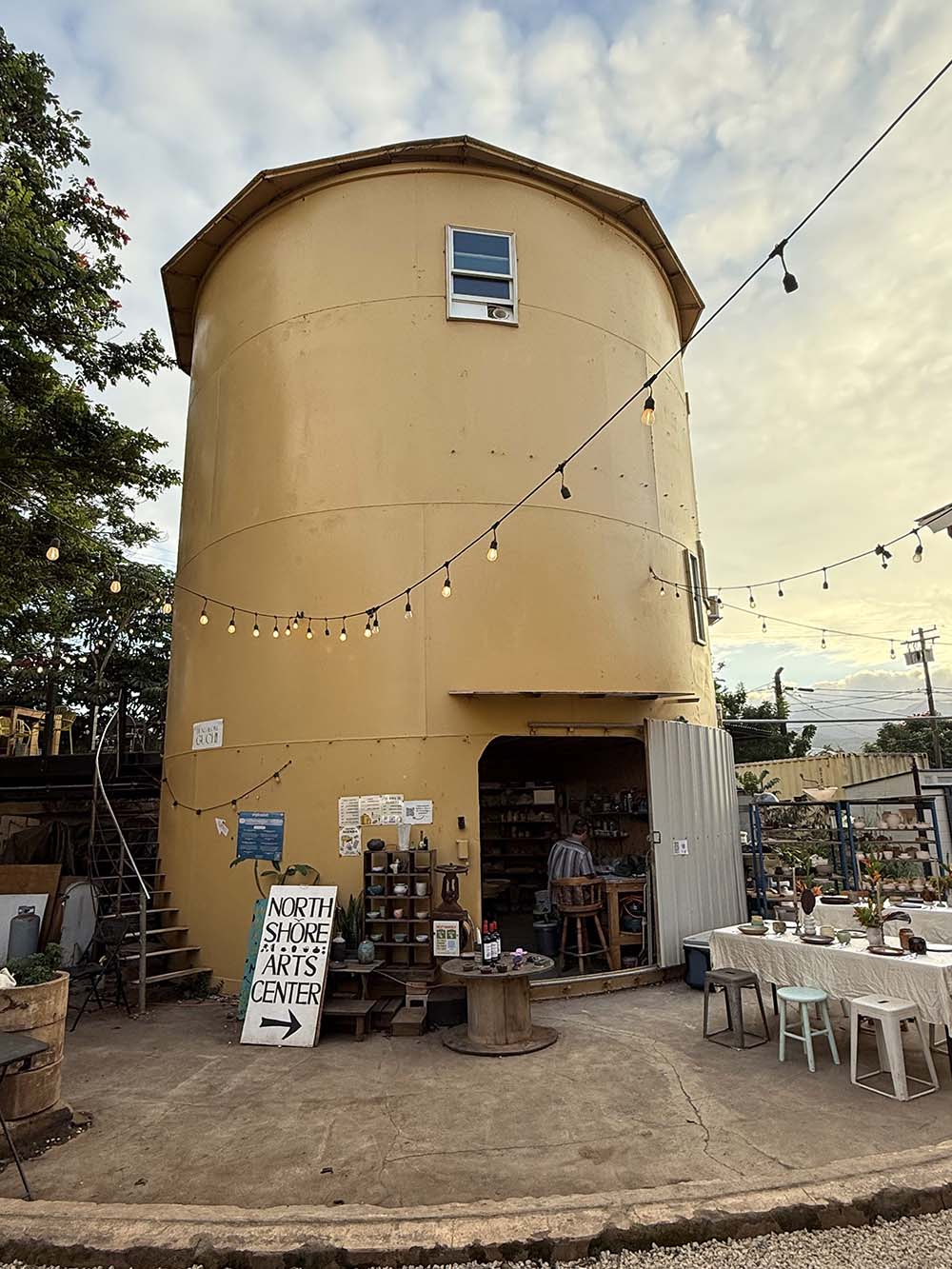
A newly established creative, the North Shore Art Centeroffers classes and shared workspace for ceramics, glass, and metalsmithing, with facilities supporting both electric and gas firings. The center is housed inside a repurposed sugarcane juice silo on the grounds of the historic Waialua Sugar Mill, which ceased operations in 1996 and has since been reimagined as a vibrant mixed-use complex. Today, the site is a lively place to explore, home to a bakery, coffee shop, Italian restaurant, kava bar, surfboard factory, wellness center, tattoo studios, and other locally run businesses.
While the North Shore requires a longer drive from Honolulu, often with unpredictable traffic, the journey is well worth it. The area is renowned for its iconic surf breaks, including Pipeline, Sunset, and Waimea Bay, as well as Haleʻiwa Town, known for its shops, galleries, and restaurants. If time allows, a visit to Waimea Falls is also recommended for a beautiful, family-friendly waterfall hike.
Tip: If you spot a plume of smoke and a roadside sign reading Huli Huli—meaning “to turn and turn”—pull over. You’ve likely found some of the best smoked rotisserie chicken on the island.
As we reflect on the evolution of contemporary ceramics in Hawaiʻi, we must also pay respect to those who built the foundation that brought us to this moment.
I ulu nō ka lālā i ke kumu.
The branches grow because of the trunk.
Clay may not have come from these islands, but the artists here made it part of island culture anyway, shaping not just objects, but a tradition that feels rooted, alive, and distinctly Hawaiʻi.
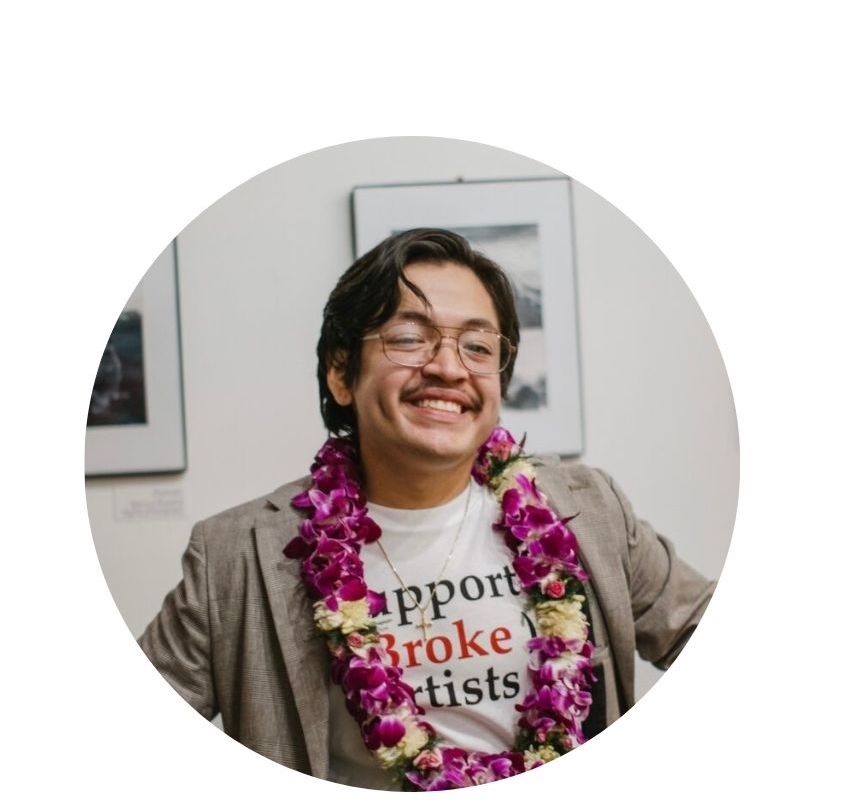
Johnny Macas-Freire is a curator, educator, and artist based in Kapolei, Hawaiʻi. Raised on west Oʻahu with an Ecuadorean heritage, his work in representational painting and sculpture explores how art can prompt us to reconsider, reanalyze, and recontextualize the histories of the world around us. Macas-Freire earned a BA in Art History with a Museum Studies certificate from the University of New Mexico in 2021. In 2022, he founded Manini GALLERY,a pop-up curatorial initiative dedicated to showcasing Hawaiʻi-based contemporary artists through exhibitions and public programs across the Hawaiian islands. His work has been featured in exhibitions such as Artists of Hawaiʻi 2023 and Arts of Pride 2022. He is also a founding member of the contemporary painters’ group Manini Collective,which was recently awarded the Hoʻakea Source artist grant through Puʻuhonua Society and the Andy Warhol Foundation for the Visual Arts to support the group’s inaugural exhibition in 2026, premiering in Hawaiʻi before traveling to New York City.
Want to see our next ceramic guide to a city? Pondicherry + Auroville, India is coming next! You too can feature ceramic destinations in your city. To share a guide, event, exhibition news, or research, visit our CONNECT PAGEfor more information!