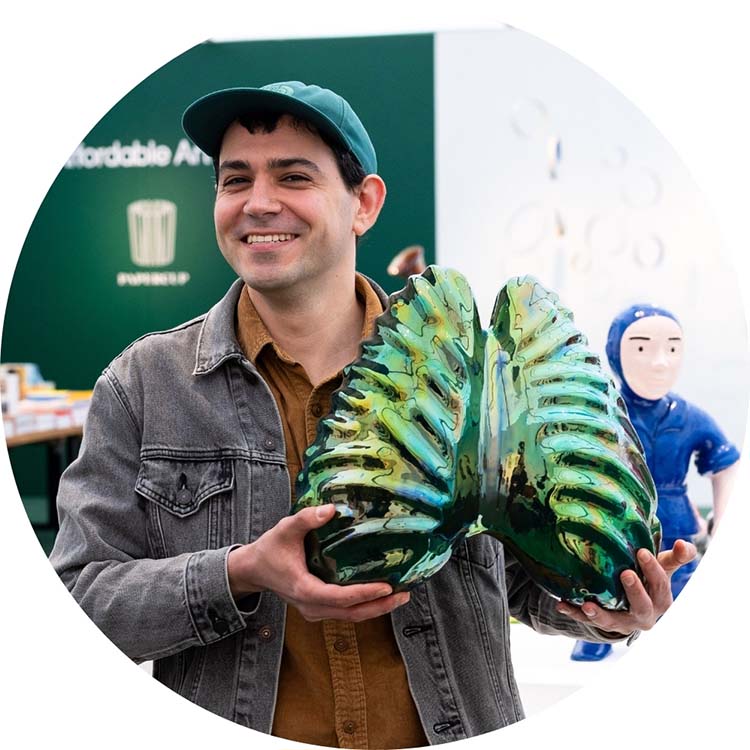
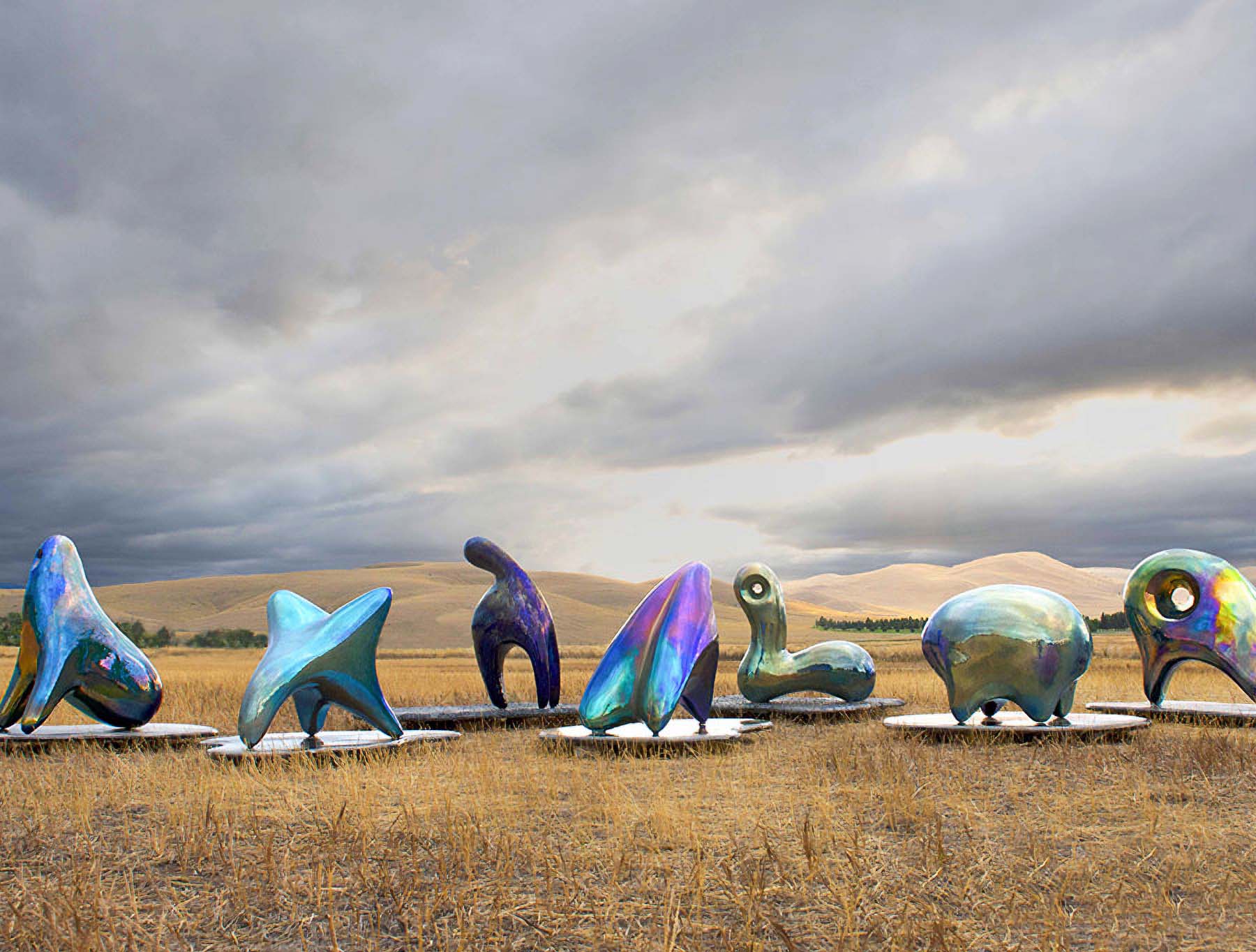
When Dr. Judith Schwartz invited me to write about my lusterware, I welcomed the opportunity to reflect on my research over the past decade. Judy and I first met at Ceramic Brussels 2025, where I presented an installation of luster works. During our encounter, we discussed the increasing visibility of lusterware within contemporary ceramic practice, as well as the growing number of artists who are revisiting this enigmatic and technically demanding technique, whose history extends across centuries, geographies, and cultures.

In this first part of the feature, I examine the history and development of lusterware, tracing its movement across different cultures and periods. I also consider the work of contemporary artists who have revisited and reinterpreted the technique within their practice. In the second part, I will return to my own research and work, sharing insights into the materials, glazing processes, and firing techniques I use.
Lusterware historically refers to a specialized ceramic surface produced by applying metal-containing compounds to a previously glazed and fired piece, then firing it again in a reduction atmosphere (less oxygen). During the firing, metals such as silver and copper are transformed into fine metallic particles within the outer layer of the glaze, creating a reflective, iridescent, and sometimes gold-like appearance. The final surface depends on the chemistry of the glaze, the metals used, the temperature in the kiln, and the firing atmosphere. In the past, creating luster ceramics carried hidden dangers. Some traditional luster formulations contained hazardous materials such as lead, and the firing process could release toxic fumes. Today, artists approach the technique with greater caution: lead-free materials, improved ventilation, modern protective equipment, and more controlled firing methods have made the process safer. These changes allow contemporary makers to explore luster’s luminous, metallic qualities while reducing the risks associated with its production.
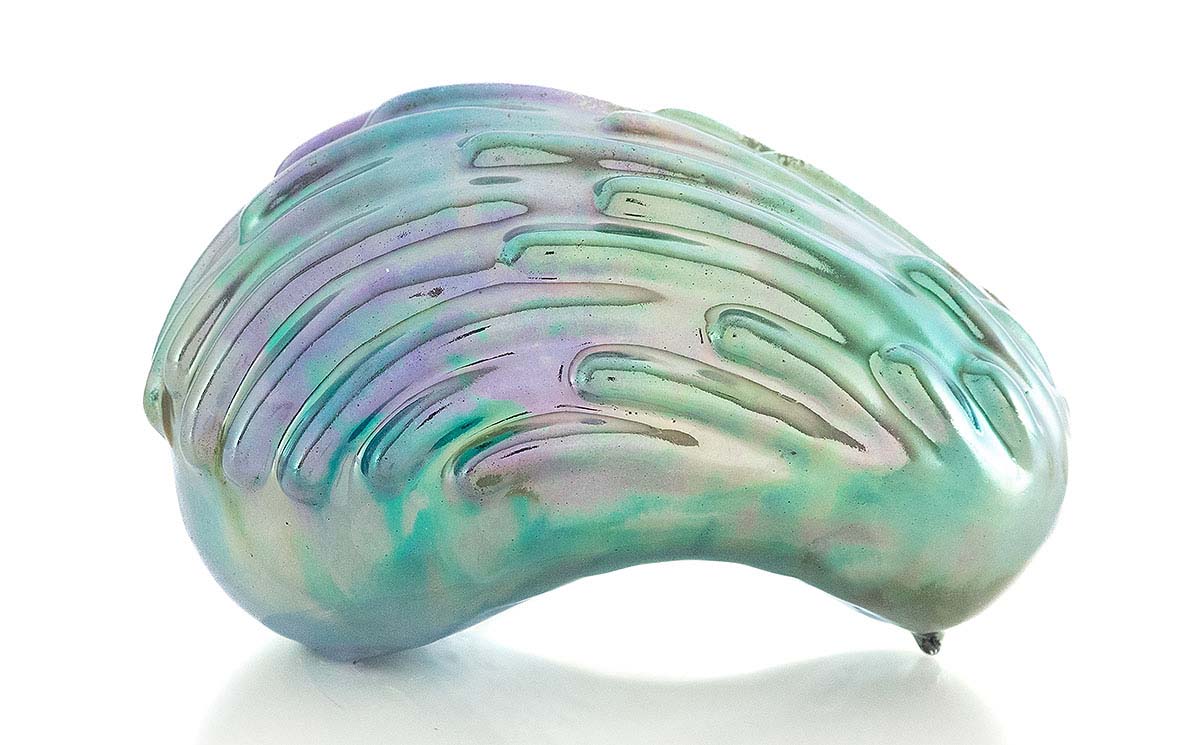
Mystery? Secrecy? Not at all. Lusterware has a history spanning more than a millennium! Its distinctive surfaces bear witness to a long tradition of ceramic and glass production. A visit to the Albukhary Foundation Gallery of the Islamic world at the British Museum offers a glimpse into this history. There, some of the earliest known examples of luster decoration appear on 9th-century ceramics from Samarra, Iraq, alongside luster-painted glass vessels from Cairo, Egypt.
The tale tells us that Middle Eastern alchemists once attempted to produce gold from other metals. Although their attempts failed, their experiments with metallic substances revealed remarkable possibilities in ceramics and glassmaking.
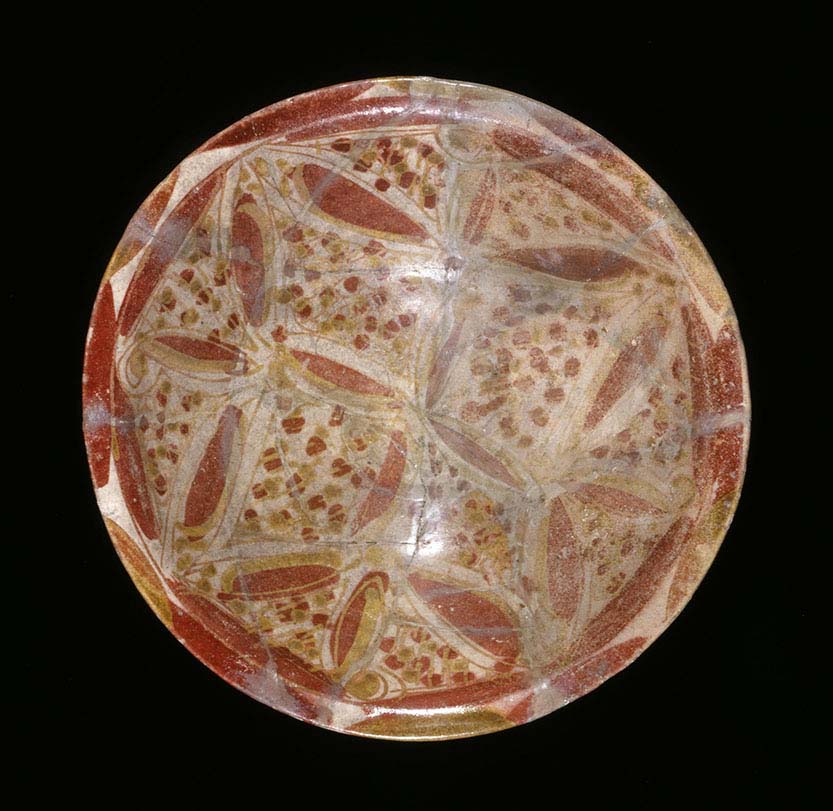
These efforts eventually led to the development of luster decoration and the mysterious ability to transform an ordinary surface into something that shimmers with light. The technique spread east to Persia, where the potters of Kashan mastered it and used it to create finely crafted, richly decorated vessels. Kashan lusterware (12th–14th centuries CE) became highly sought after and was traded alongside Chinese porcelain along the Silk Road. Some of these traditional techniques have been preserved and reinterpreted by contemporary Iranian potter Abbas Akbari (b. 1971).
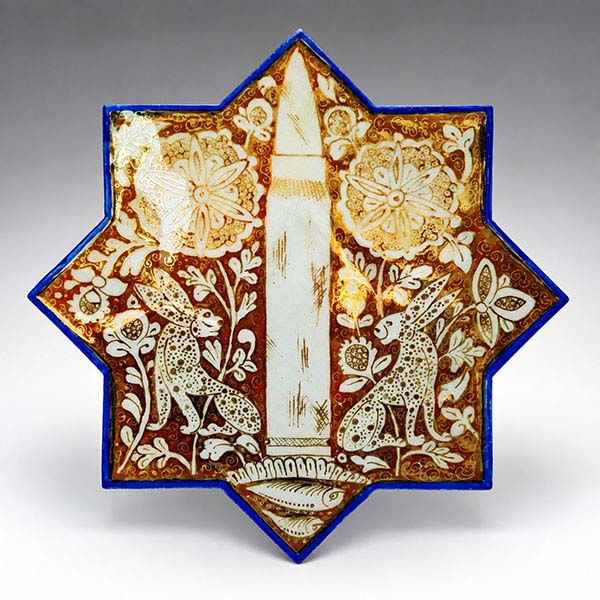
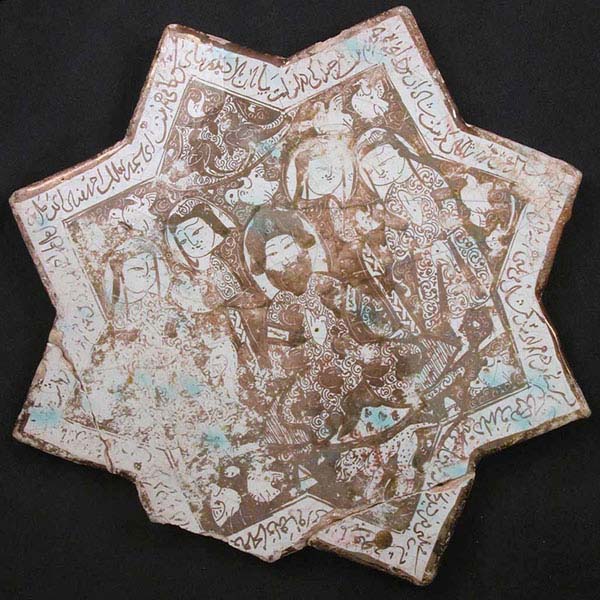
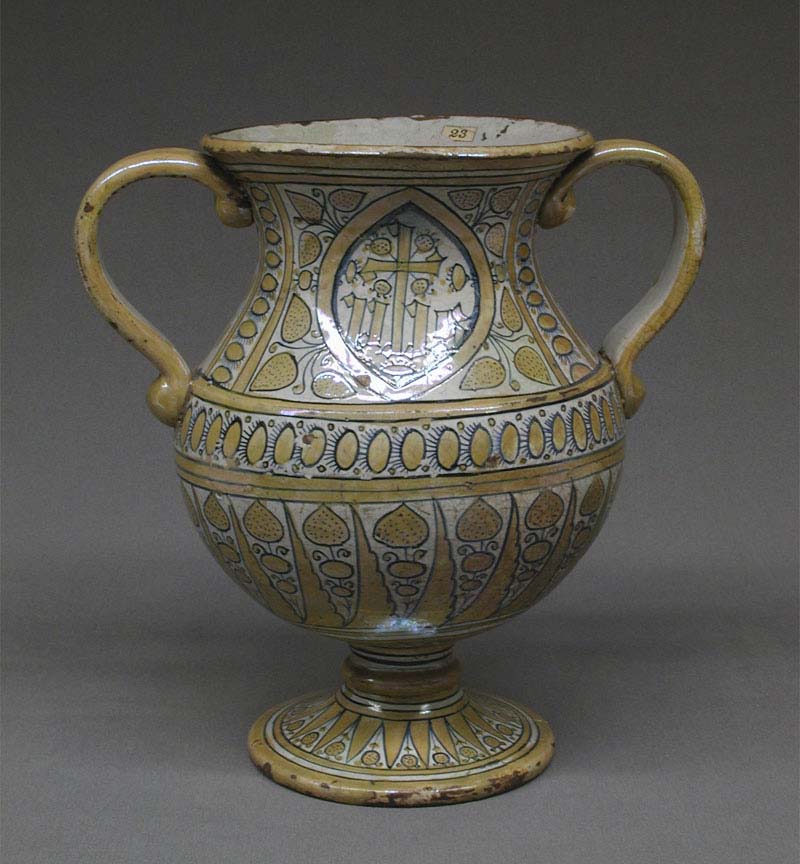
Luster was never limited to pottery. It was also widely used in architecture, particularly on geometric tiles and mosaics, often combined with Arabic calligraphy. My first encounter with luster took place while visiting the Islamic Art Gallery at the Israel Museum, Jerusalem. I was mesmerized by the shimmering surfaces of two large tiles. Inspired by their extraordinary sheen, I began tracing the journey of luster. Through frequent visits to the ceramic collections at the Victoria and Albert Museum in London, I came to understand the geographical trajectory of luster. Originating in the Middle East, luster decoration spread westward across the Mediterranean with the Arab conquests and was adopted by different cultures. During the Renaissance, the technique flourished particularly in eastern Spain and Italy, giving rise to important centers of production in cities such as Gubbio, Deruta, and Faenza. In Faenza, the Vignoli sisters, Ivana (b. 1948) and Saura (b. 1956), have developed a contemporary interpretation of traditional Italian lusterware and majolica, demonstrating how an ancient technique can be renewed while retaining its distinctive visual identity.
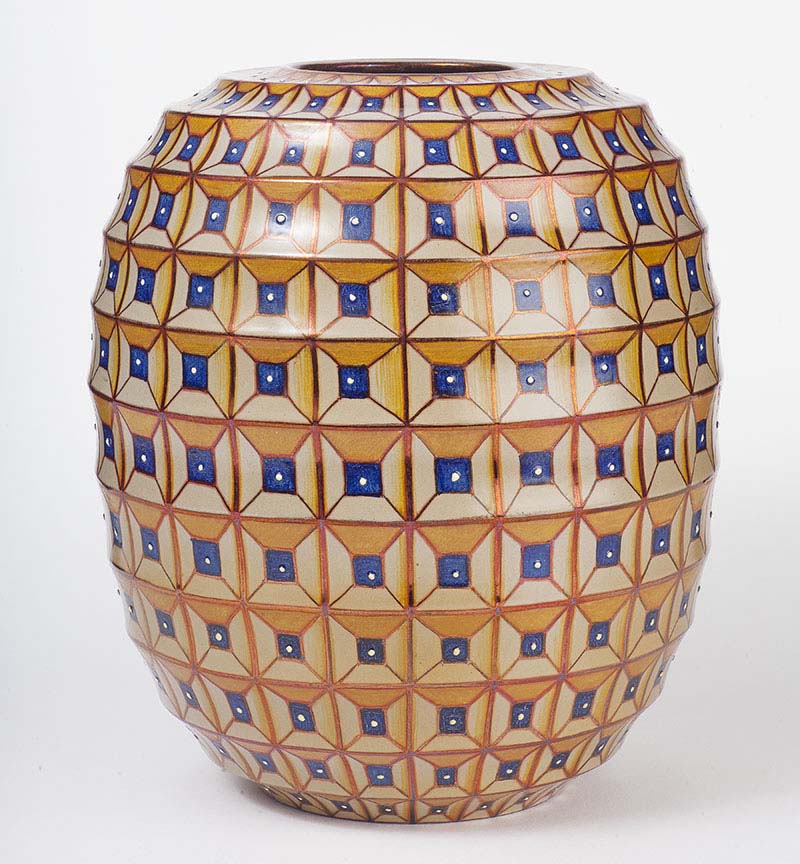
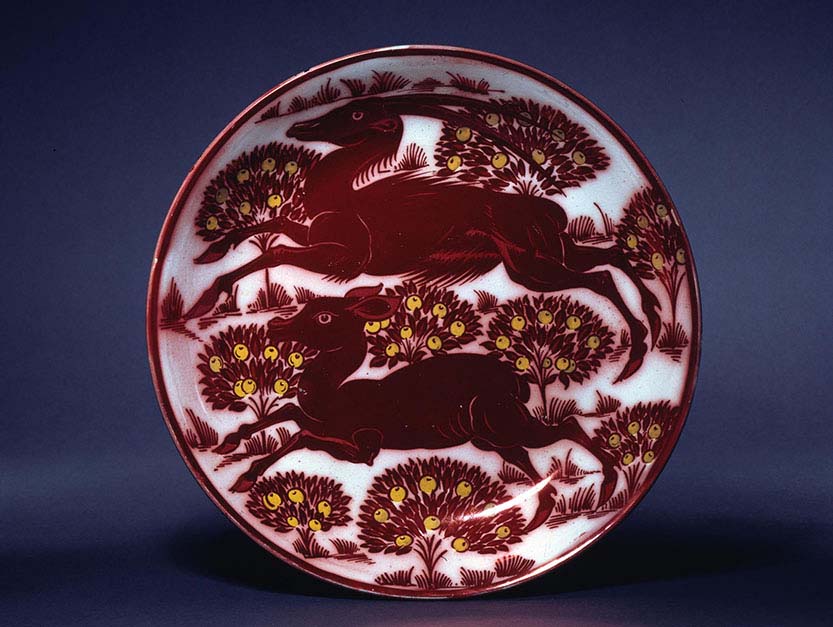
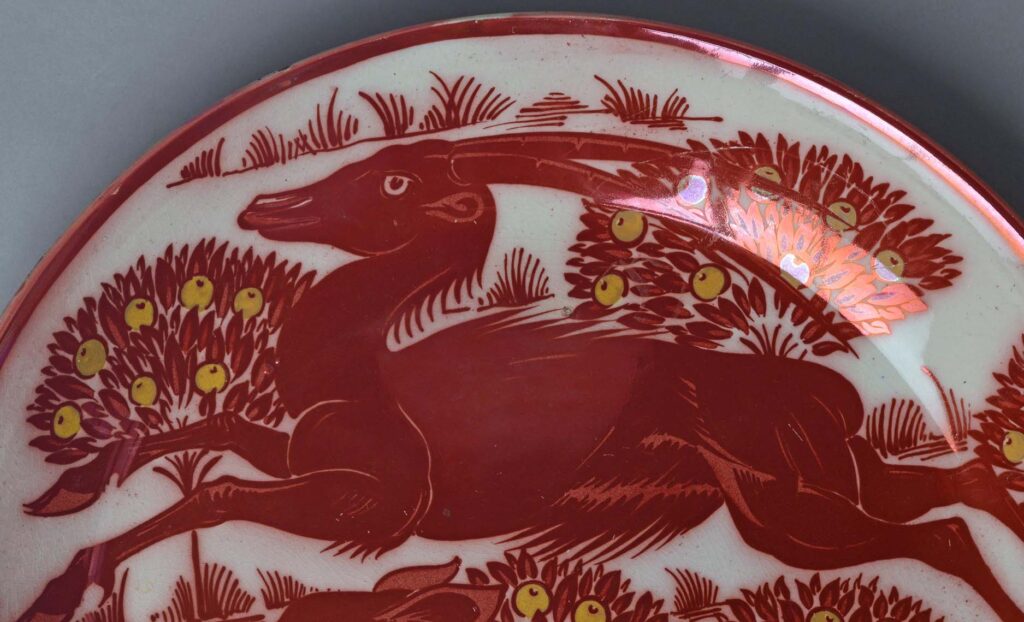
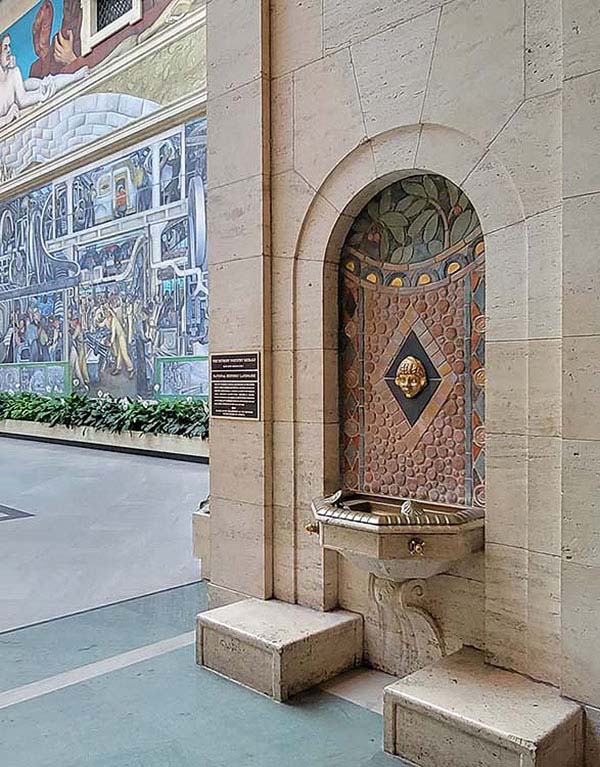
The reform movements that emerged in response to industrialization, including the English Arts and Crafts movement, Art Nouveau, and Jugendstil, brought renewed interest in luster. Artists and designers embraced the technique as a way of reconnecting with nature and the handmade. William De Morgan (British, 1839–1917) was a leading figure in the history of modern lusterware. His ceramics, richly decorated with patterns inspired by nature and the Islamic world, were prominently displayed and sold at William Morris’s showroom on Oxford Street. Alongside De Morgan, Clément Massier (1844–1917) and his family in Vallauris, France, developed innovative approaches to luster. Meanwhile, the Zsolnay factory in Pécs, Hungary, achieved notable results with its distinctive greenish Eosin lusterware. In the United States, American Mary Chase Perry Stratton (1867–1961) founded Pewabic Pottery in Detroit, which also became known for its iridescent glazes and architectural ceramics.
By harnessing advances in kiln technology and new materials, these makers transformed luster from a revived craft into a commercial success.
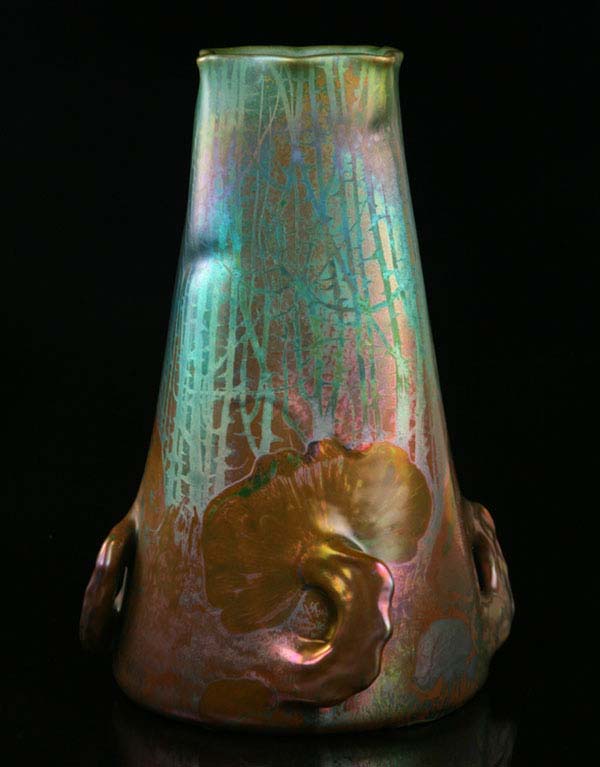
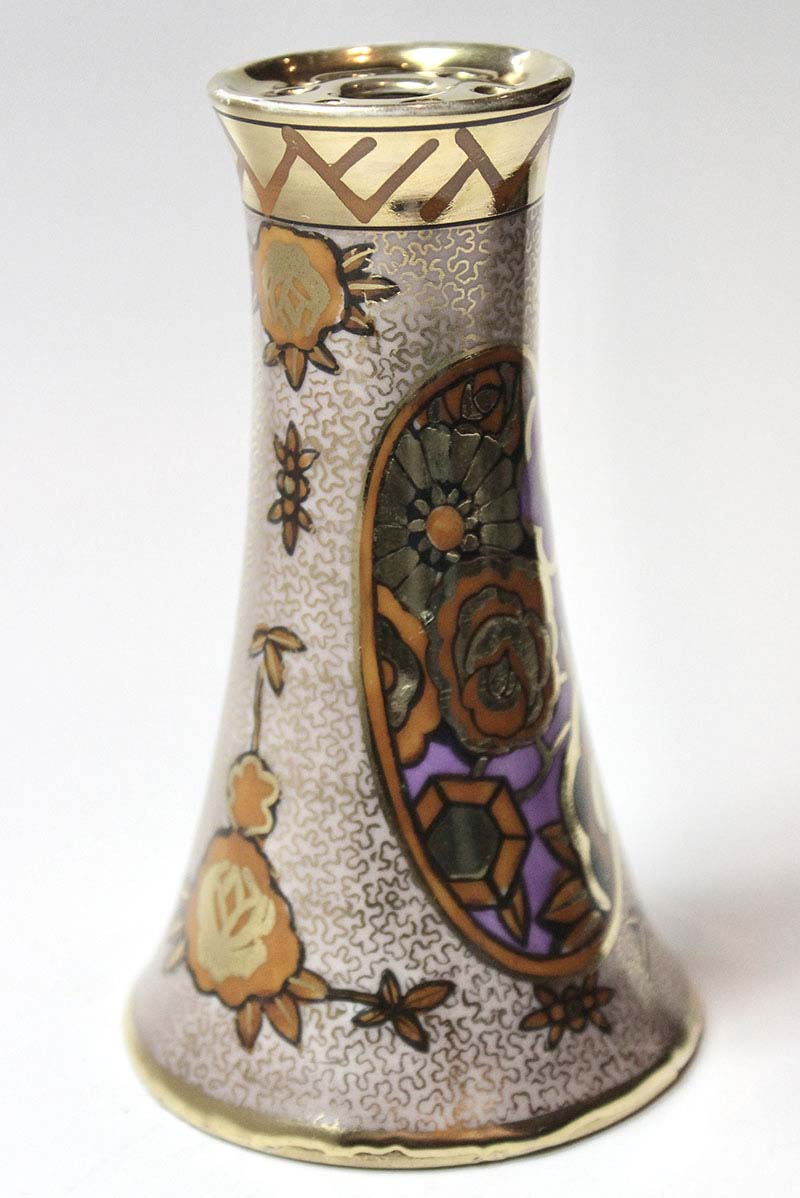
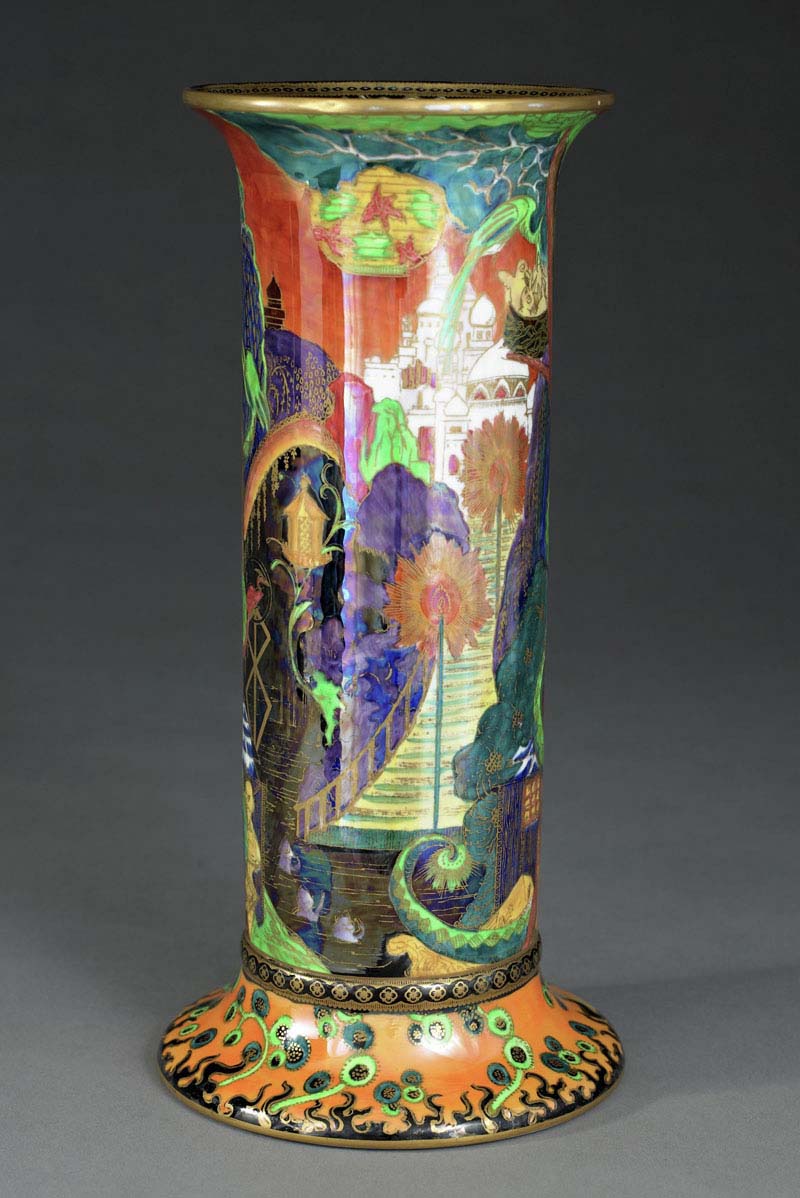
By the turn of the 20th century, the porcelain industry in Germany had popularized another form of luster: overglaze luster, in which a solution containing precious metals such as gold is applied to a glazed porcelain surface and fired again. Noritake’s Fancy Ware, produced in Japan between 1922 and 1925 for the American market, exemplified the period’s taste, combining lusters and overglaze decoration in layered surface effects that reflected the Art Deco aesthetic of the Roaring Twenties. Another extraordinary example of the complex layering of color, metallic luster, and decorative effects can be found in the Fairyland Lustre wares designed by British designer Daisy Makeig-Jones (1881–1945) for Wedgwood.
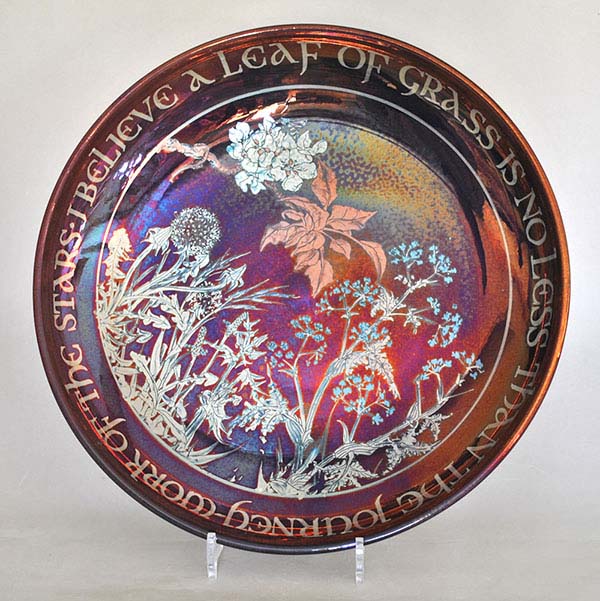
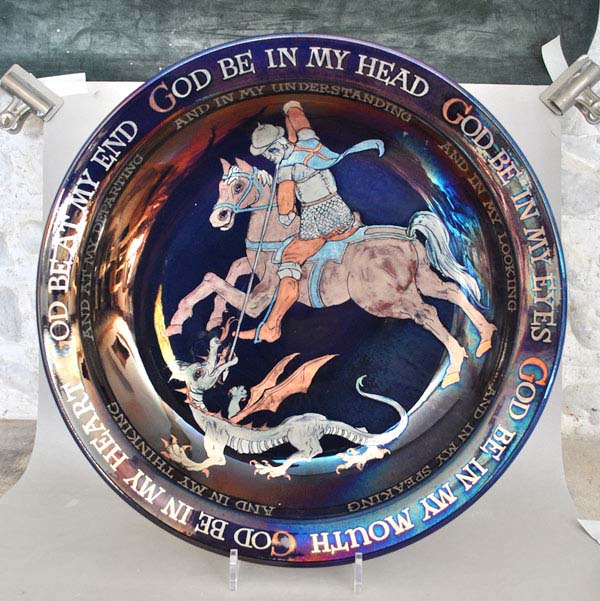
With the establishment of Western studio pottery and the increasing availability of kilns and ceramic materials to individual artists, it became easier for potters to experiment with luster techniques under controlled conditions. Alan Caiger-Smith (British, 1930–2020) was a pioneer of studio lusterware. His book Lustre Pottery became an important source of knowledge on both medieval and modern lusterware techniques and helped preserve and pass on this tradition. Last year, in East Sussex, England, I visited the British potter Jonathan Chiswell Jones (b. 1944), who has spent more than 25 years working with reduction-fired luster. There, he and his studio partner Kerry Bosworth create fine porcelain vessels decorated with lettering and scenes from nature in the spirit of the Arts and Crafts tradition.
Today, artists are carrying luster into new territories, using this ancient technique to develop their own contemporary visual languages. While some artists formulate their own luster glazes and firing processes, the increasing availability of commercially produced overglaze lusters has made the technique more accessible, encouraging experimentation and contributing to its growing popularity among artists. Luster is not simply an ornamental surface treatment but a means to reflect on the present and imagine possible futures. For some ceramic sculptors, luster becomes more than a decorative technique: its shifting surfaces and metallic sheen offer a way to think about bodies in transformation, the fluidity of identities, and the increasingly blurred boundaries between the body and technology. These artists use luster to imagine figures and objects that appear at once organic and mechanical, familiar and otherworldly. What began more than a millennium ago continues to find new life today.
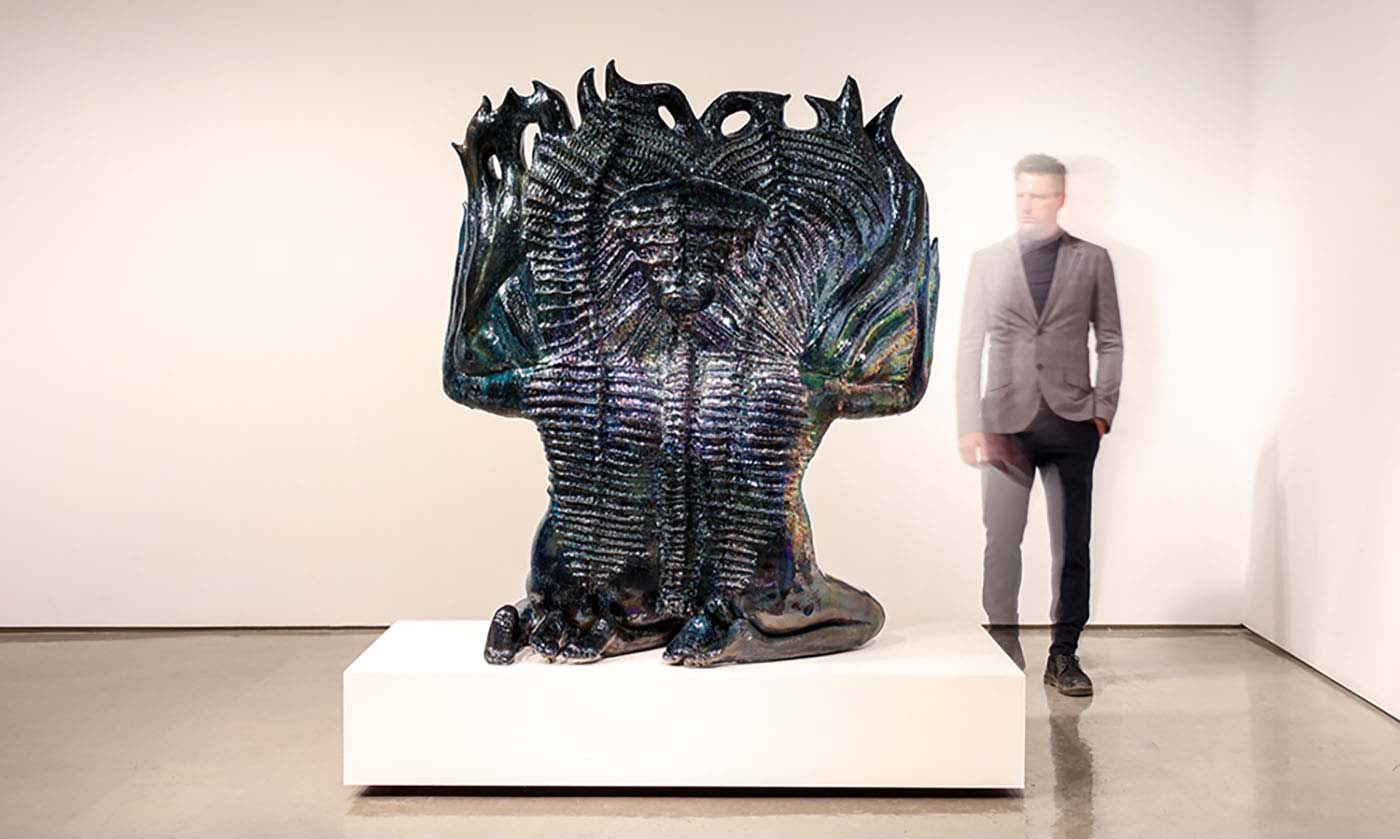
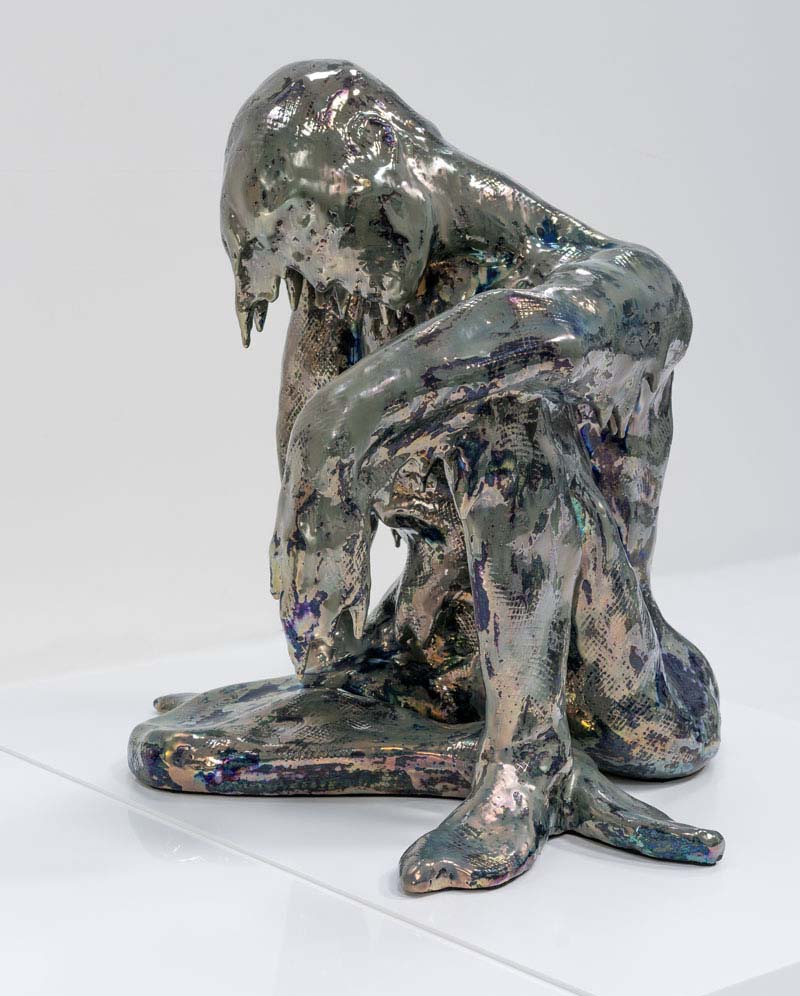
Markus Karstieß (b. 1971), a sculptor based in Düsseldorf, Germany, creates expressive figurative forms in which lusters take on a mythical and theatrical presence, activating and animating the installation space. His monumental Dirty Corners is displayed at the Keramikmuseum Westerwald in Höhr-Grenzhausen, where he is also a professor at the local art school. Stephanie Hanes (b. 1985), a Canadian sculptor and professor at Alfred University in New York, explores possible future identities through grotesque sculptures of the female body that examine the fluidity of the self and the uncanny. The lusters accentuate the body’s ongoing transformation, placing the figure in a state of flux.
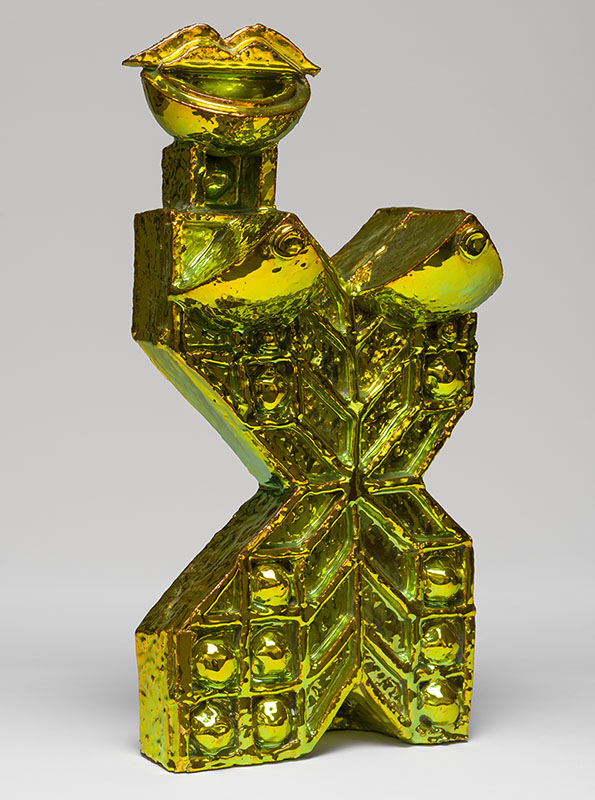
Also working with luster in the United States, Julia Kunin (b. 1961) has a long-standing relationship with the Zsolnay factory in Hungary, where she learned its eosin luster technique and distinctive visual language. In her exhibition Electric Dream Machines at the Everson Museum of Art in Syracuse, New York (on view through January 3, 2027), Kunin presents shimmering machines: abstracted figures inspired by Art Deco, Surrealism, and feminism.
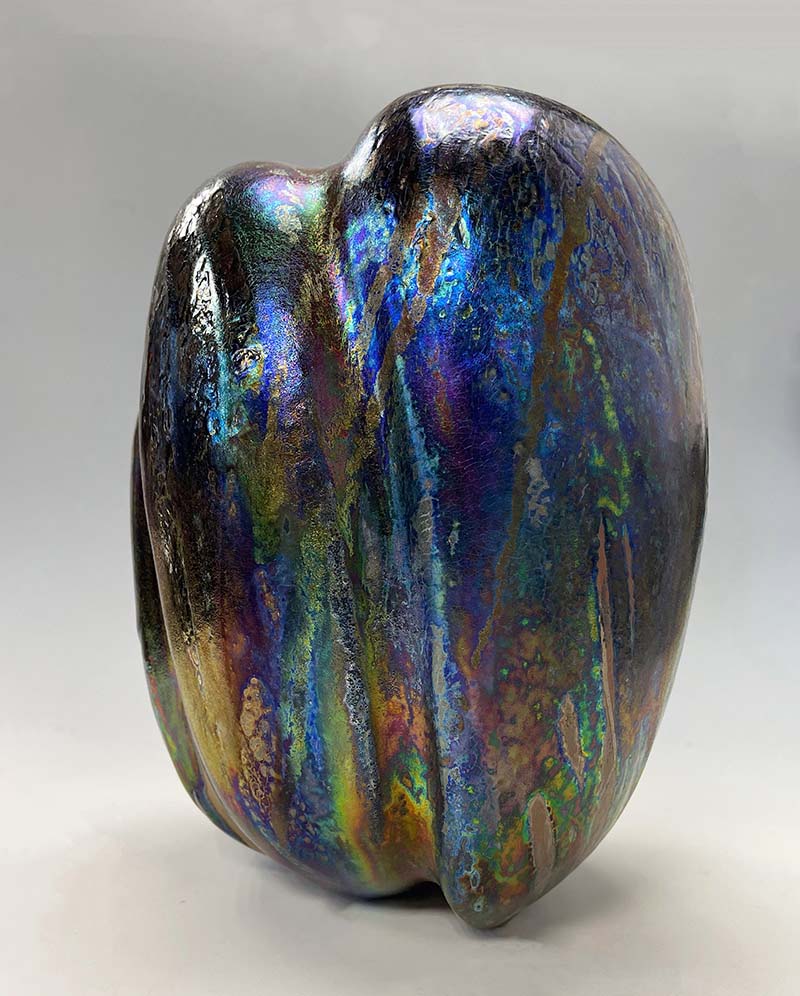
The history of luster offers a rich point of departure for artists working with this technique, spanning centuries of ceramic tradition while opening up new possibilities for contemporary expression. Understanding its historical development deepens our appreciation of the material’s complexity and preciousness. Through my own experimentation, I continue to explore how this old technique can be reimagined, with its long history serving as a source of inspiration for a new visual language. In the second part, I will share more about my personal journey with luster, offering practical insights as well as the challenges and discoveries that continue to inform my artistic approach.
Uriel Caspi (b. 1994) has worked internationally as an artist-in-residence and academic fellow. He earned a BFA in Ceramics from the Bezalel Academy of Arts and Design, Jerusalem (2018), and an MFA from Alfred University, New York (2021). He has exhibited in museums, galleries, art fairs, and venues across the world: the Armory Show with Yossi Milo Gallery, NYC; Sculpture Space, Utica, New York; Faenza International Ceramics Museum, Italy; Collect Art Fair, London; Salon C-14, Paris; Ceramic Brussels, Belgium; Westerwald Ceramics Museum, Germany; Musée de Carouge, Geneva; Eretz Israel Museum, Tel Aviv; Yingge Ceramics Museum, Taipei; Gyeonggi Museum, Seoul; and Musée Tomo, Tokyo.

Caspi has worked as a resident artist at the Archie Bray Foundation (Montana), EKWC (Netherlands), CERCCO, Geneva University of Art and Design (Switzerland), Höchster Porzellan Manufaktur (Germany), Northern Clay Center (Minnesota), and others. His honors include the Hecht Award for Emerging Artist (2019), the Artis Grant (2023), the McKnight Fellowship (2024), the Alfred University Alumni Award (2026), and the Naomi Anolic Early Career Artist Award (2026). Born in Haifa, Israel, Caspi is currently based in Tilburg, the Netherlands, and works at Offenbach University of Art and Design in Offenbach am Main, Germany.