In September 2025, I posted a simple invitation in my Telegram channel:
“Friends, ceramicists and everyone else, I invite you to take part in the creation of an art object as part of my thesis research. Take a shovel, a bag and your phone. Find some wild clay, dig up 3–5 kilograms, photograph and film yourself and the place, and send the sample to me. I will turn your clay into part of the artwork, and each participant will be invited to the thesis defense and the exhibition, and will receive a small copy of the final piece.”
The invitation was part of my Master’s research at the Ceramic Art Department of the Stroganov Russian State University of Design and Applied Arts in Moscow, where I studied how participation has been understood and used in contemporary art. The theoretical research was supervised by Marta Yaralova, an art historian, cultural researcher, and curator who teaches at Stroganov University. I was interested in what might happen after a simple artistic task enters other people’s lives. On the practical side, I wanted to see whether people would respond to a task requiring physical action, how our interaction would develop, how I would work as an artist while depending on others, and whether the resulting work could be recognized as art by institutions.
I chose wild clay because it connects the social and material parts of the project. Clay is found in most regions and countries, but each sample comes from a particular place, and collecting it requires direct contact with that landscape. Clay is also the material of my own practice.
My question was not simply how to make a ceramic object together, but whether participation could become a genuine artistic tool: could a work be built through a distributed process in which different people contribute material, time, attention and their own experience of place?
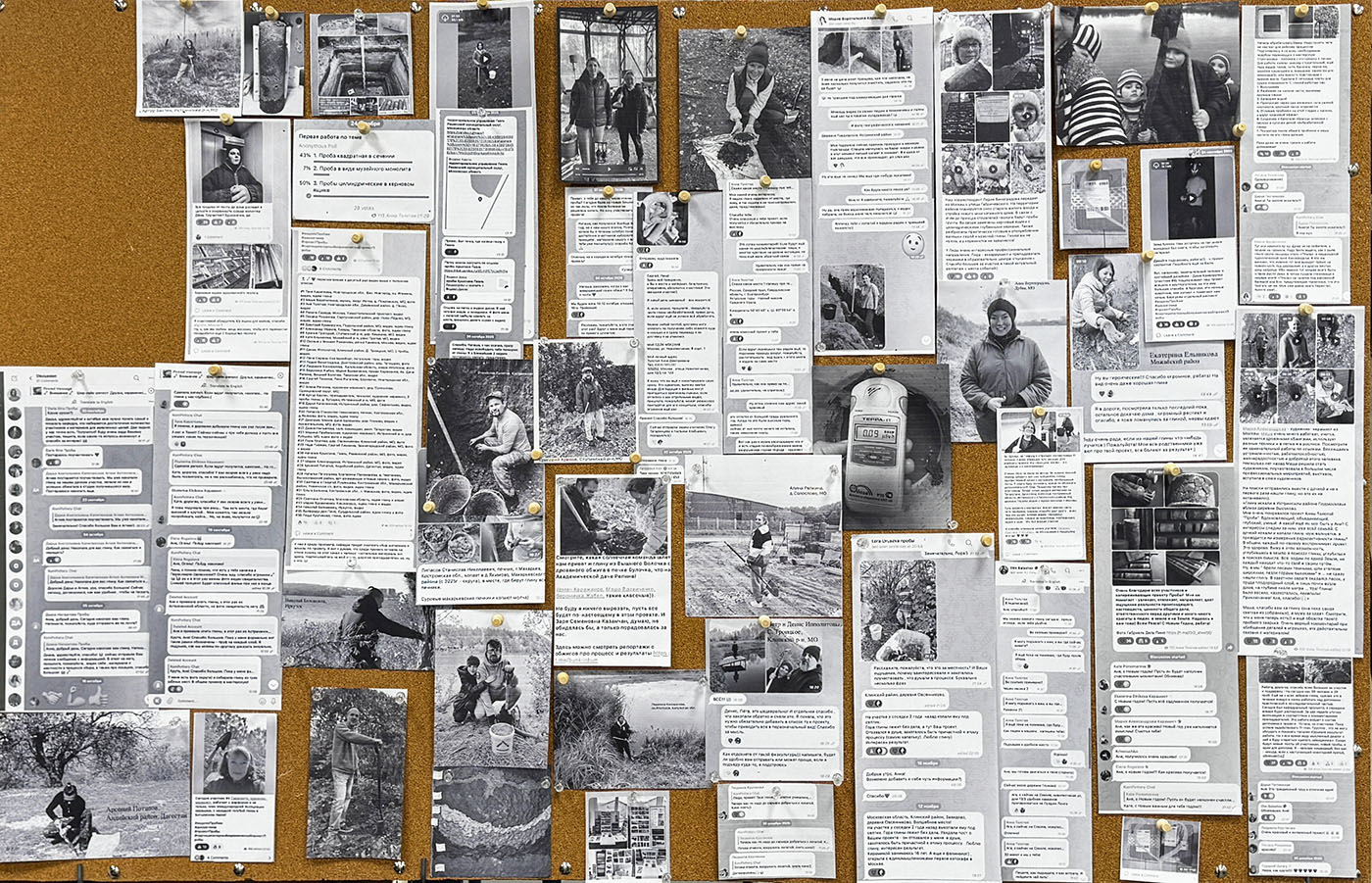
I had no idea how many people, if any, would respond. Over the next nine months, 52 people from 42 locations across Russia took part. Some were professional artists. Others were friends, relatives, former students, teachers, children, or people with no connection to ceramics at all. The invitation began within my own network, but it did not remain there. People passed it on, and new people joined through handshakes of connection.
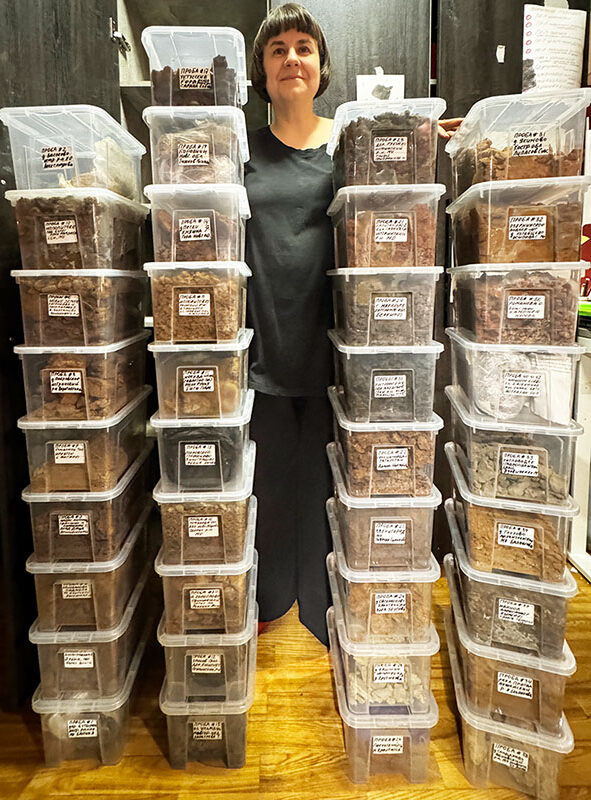
I did not plan the project as a geographical survey. Because it was open to participants across Russia, it allowed me to see where the invitation would travel. More than half of the samples came from the Moscow region, while others arrived from more distant parts of the country. What surprised me was not only the number of responses, but also what people brought into the project beyond the material itself. Through stories, photographs and videos, they shared landscapes they knew and cared about. Riverbanks, forests, villages and places tied to their families became familiar to other participants through the people who collected clay there. The samples came from varied locations, including country-house plots, lake and stream banks, and ravines. Two particularly unusual samples contained ammonite fragments.
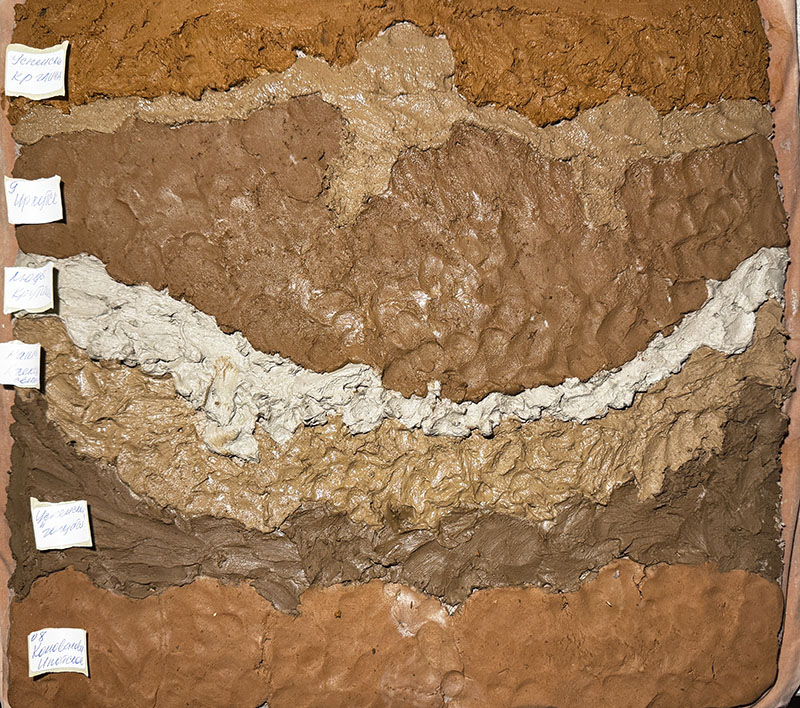
Nikolai Belovezhets, whom I had never met, came to the project through my husband’s colleague. Nikolai has a background in botany and landscape design, and his father was a geologist. He searched for clay near Irkutsk, on the shore of a reservoir connected to the Angara River, and sent a video with a voice-over describing the landscape. Another participant, Lena Sarana, is a ceramic artist from Yekaterinburg, in the Ural region of Russia. After finding and sending her sample, she told me that she had begun paying more attention to the ground during ordinary walks. She started noticing different clays, collecting samples, testing them, and using them in her work.
I began to understand that participation could continue beyond the original task, changing how someone looked at the landscape or reconnecting people through ceramics. New connections also emerged between people who had never met.
One of the most meaningful examples for me was the Balashov family. I had met Masha and Dima through a clay studio where our children studied together, and while our families had moved apart, the connection remained. When I announced the project, they immediately wanted to participate. Dima chose Lokhino, a vanished village near Moscow where his grandmother had grown up. For years, he has been researching the history of the village, collecting documents, memories, and family stories. The clay from Lokhino became another way of bringing the memory of this place into the project. He presented me with his book about the village, and other participants asked for copies to learn more about it.
People took part in different ways: some spent hours searching for and documenting clay, while others sent a sample and a photograph or used the project as an opportunity to explore their surroundings with their children. Some followed the project quietly and later visited the exhibition. Through the Telegram channel, participants recognized one another’s places, responded to stories and shared information. Places that had been meaningful to one person became part of the group’s shared knowledge. Participants also connected through common interests beyond ceramics. Wild Cores gradually became a network that began to function as a community.
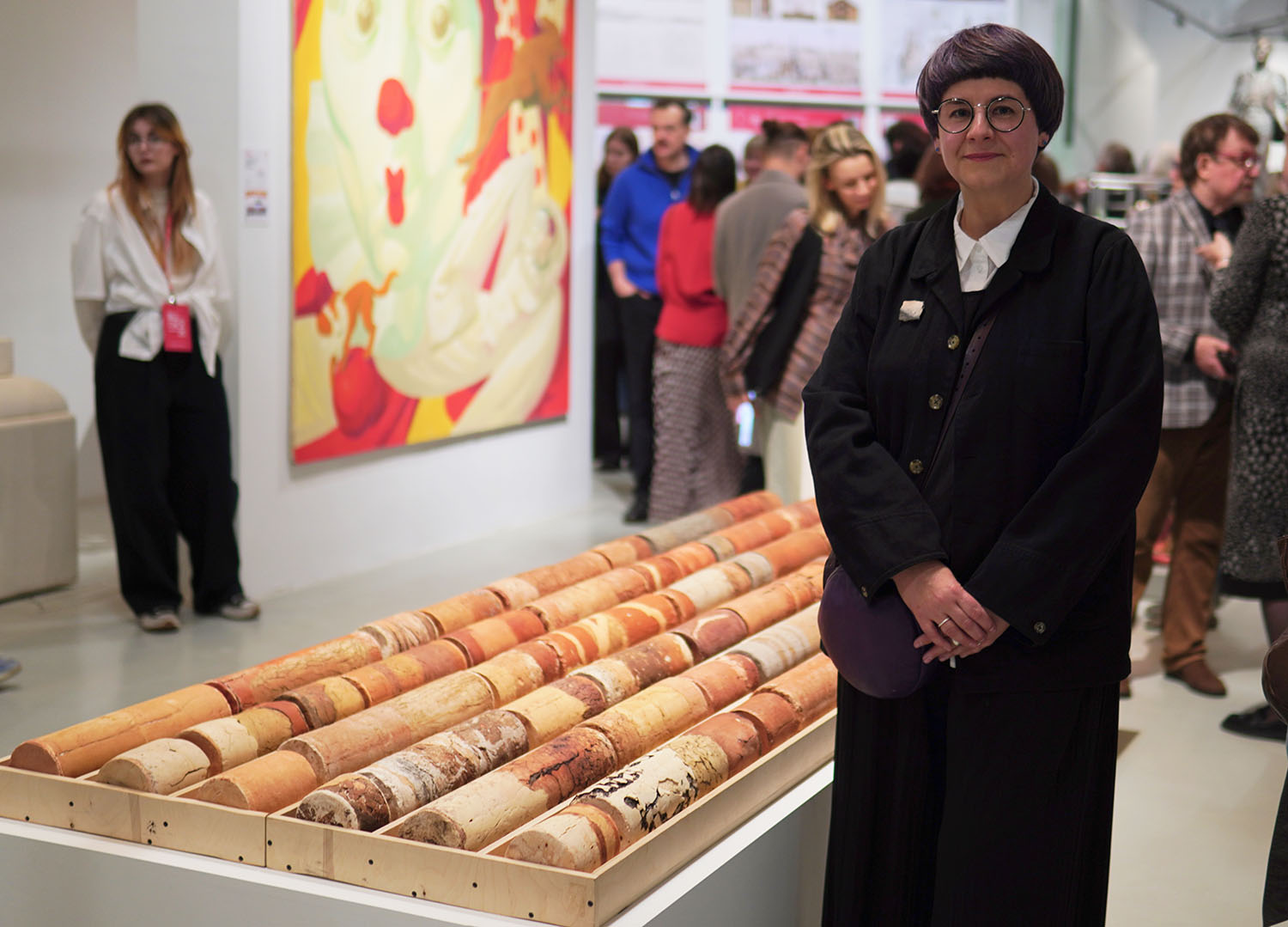
Collectively, we considered several sketches for the final object. Most participants voted for ceramic cores, cylindrical forms modeled on geological core samples. Each core combined clay from different participants and locations, bringing them together in a shared material body. In the cores, the horizontal geography of the locations met vertical layers of clay, and those layers also reflected the developing relationships between participants.
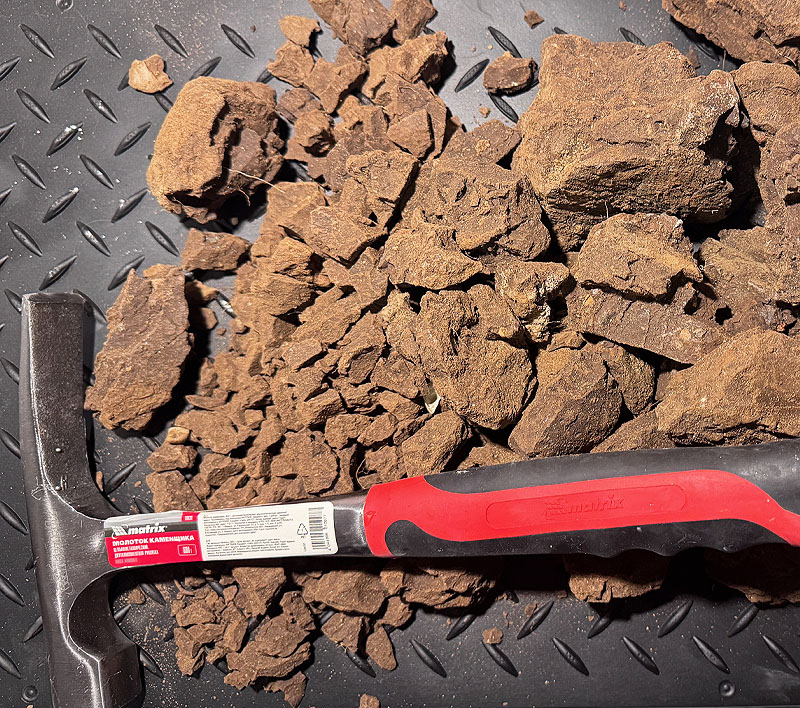
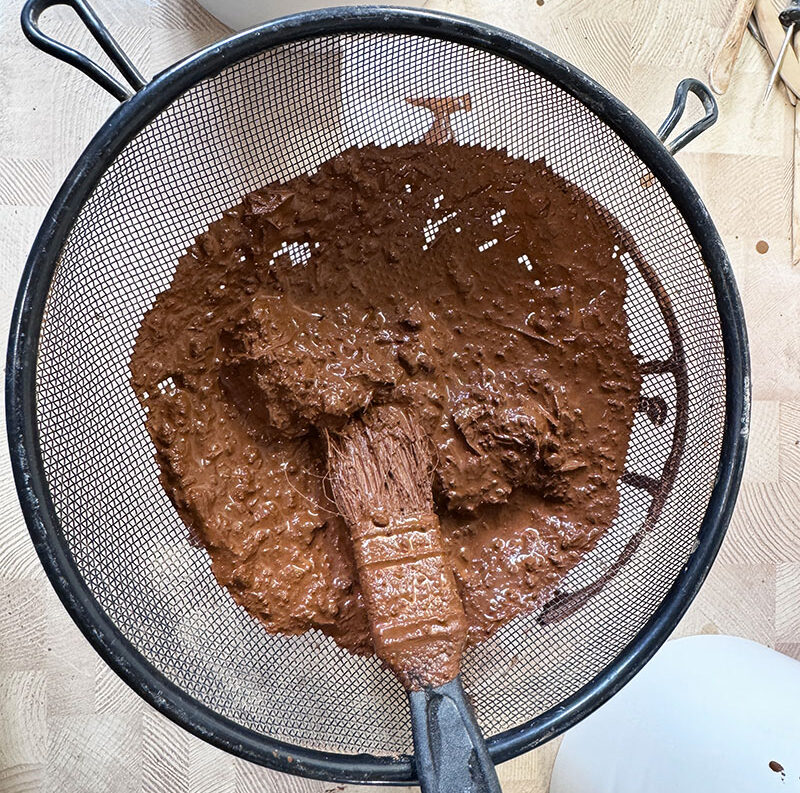
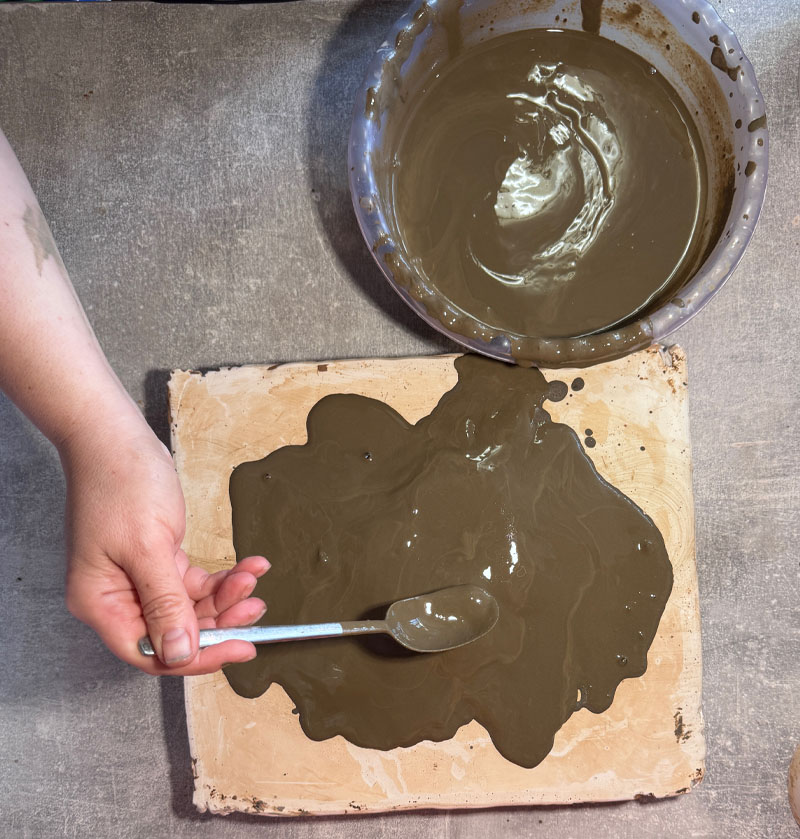
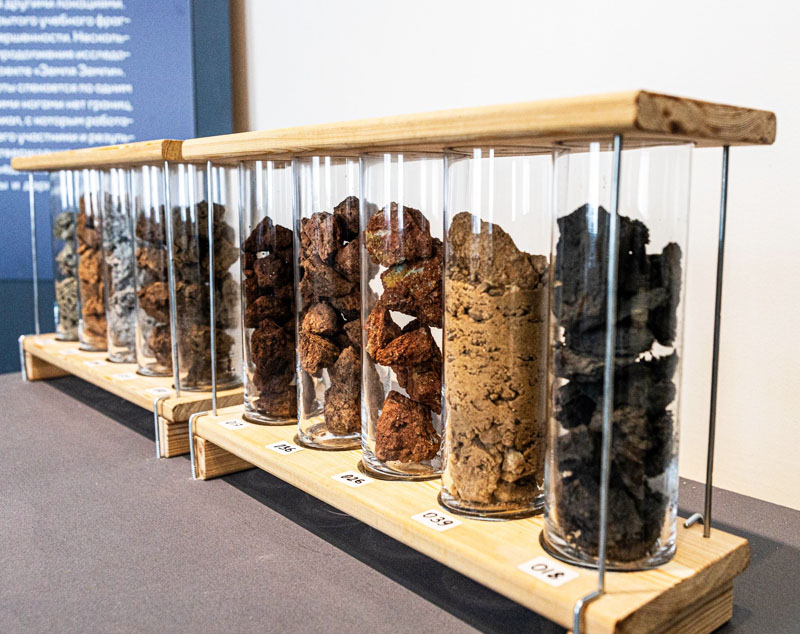
The samples varied considerably. Some were relatively clean and plastic, while others contained sand, stones, roots, and organic matter. I dried, crushed and sieved the samples, rehydrated the clay, removed excess impurities, and prepared it for testing and modelling. Combining the samples was difficult because they differed in composition, plasticity, drying behaviour and firing temperature. Some approached their limits at 1050°C, while others tolerated much higher temperatures. I arranged the clays in thin vertical layers on a chamotte-clay base, formed them into cylinders and compacted them in plaster moulds. Each core combined material from several locations.
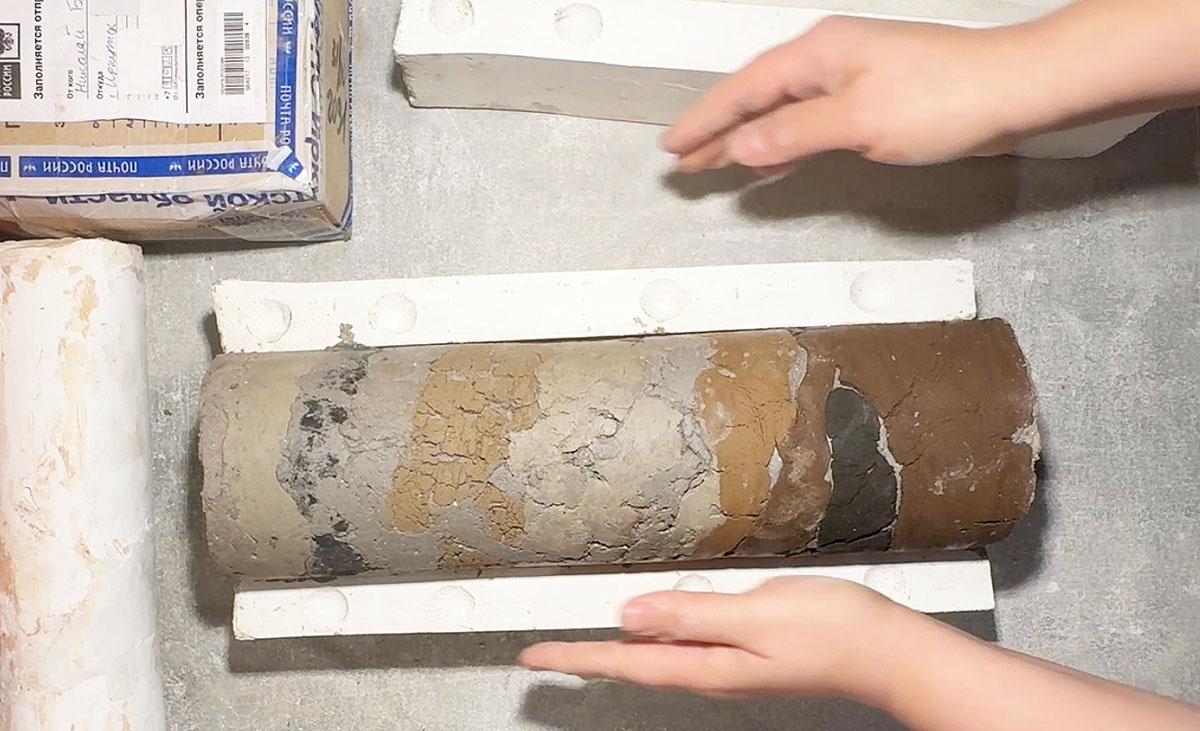
At first, I tried to make the cores as perfect and uniform as possible. Gradually, I understood that this was both a losing and a pointless struggle. The materials could not all behave in the same way — and that was not what the project was about.
I began to think of the cores as representatives of the people who had contributed them. Like the participants, the clays had different characteristics and limitations. The task was not to make them identical, but to find a way for them to coexist within one object. In this sense, the material process unexpectedly reflected the open network that had developed around the project.
Although I did not analyse the samples chemically, testing their shrinkage, plasticity and colour at different temperatures made me more aware of their connection to place. A visit to the Soil Museum in Moscow also helped me understand how soil formation reflects long processes involving climate, vegetation and other living organisms. I could not draw conclusions about the soils of different regions from these samples alone.
What I did discover was how much a handful of earth could bring with it: a particular landscape, a person's memories of a place, and a different way of paying attention to the ground.
Firing made the differences even more visible. Some cores cracked, chipped or deformed. At first, I wanted to correct these imperfections, but eventually I decided to leave them as they were. They became part of the work — another reminder that the material, like the people who contributed to it, could not be completely controlled.
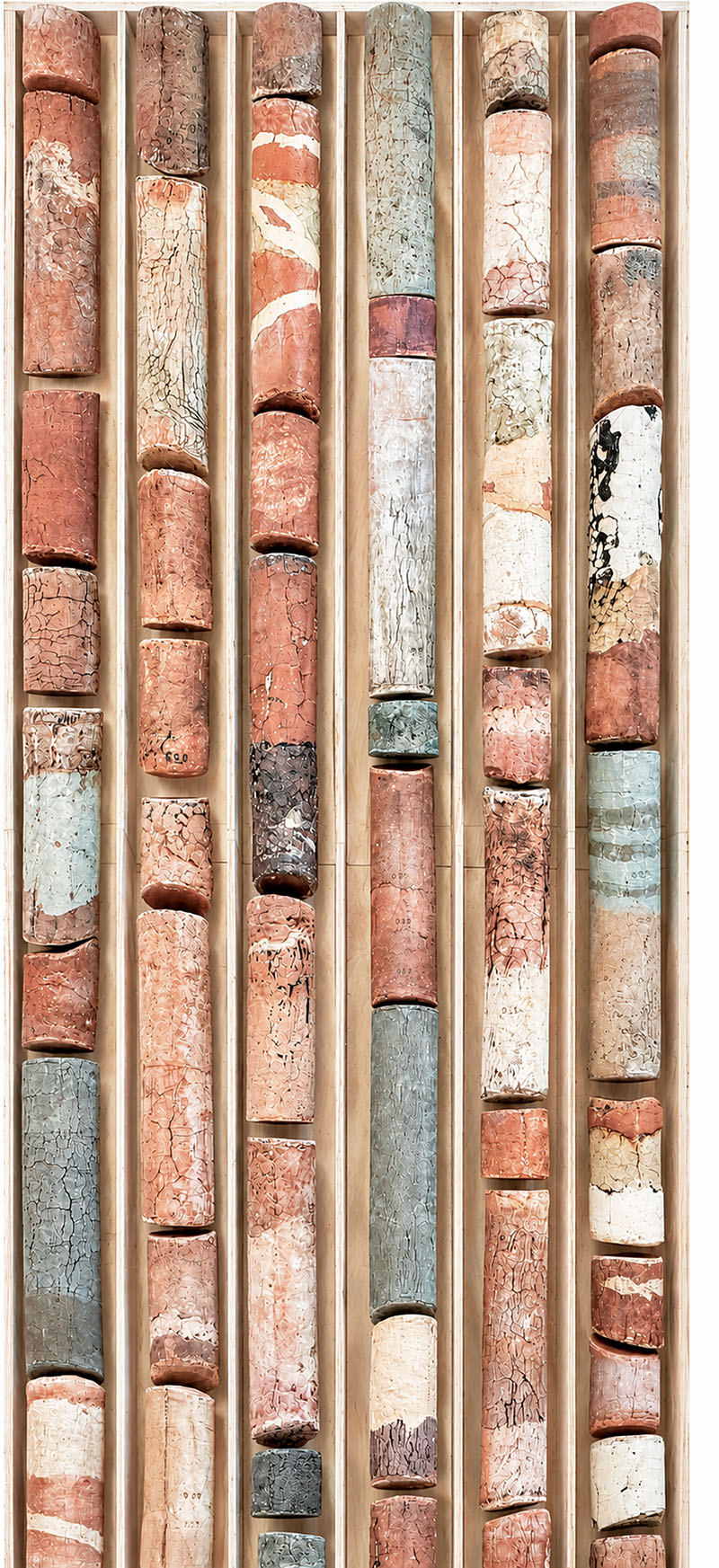
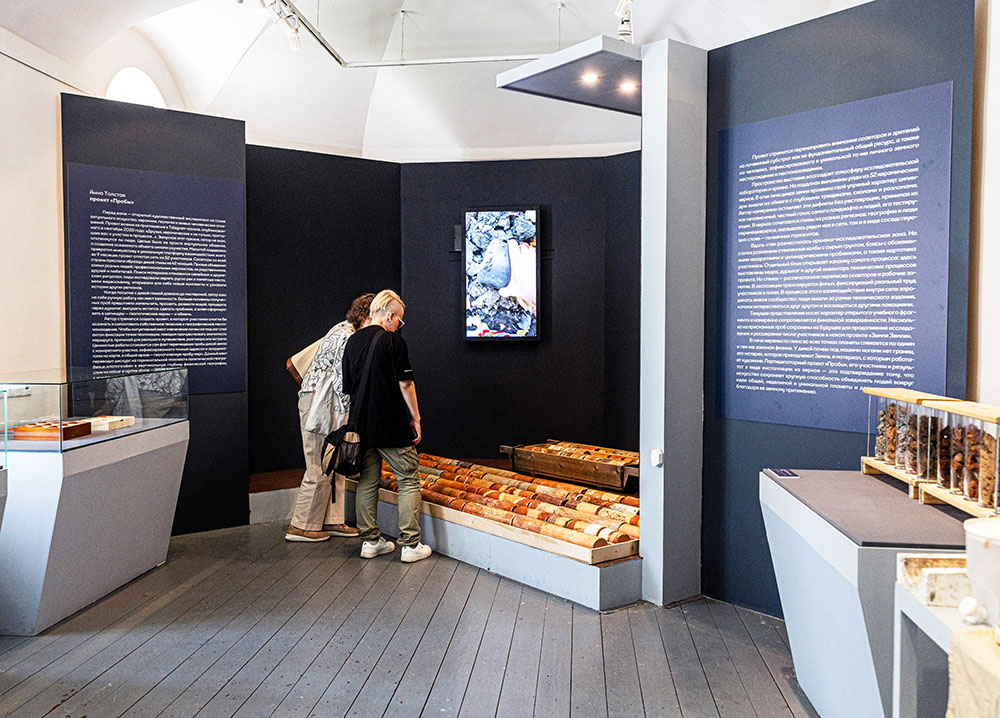
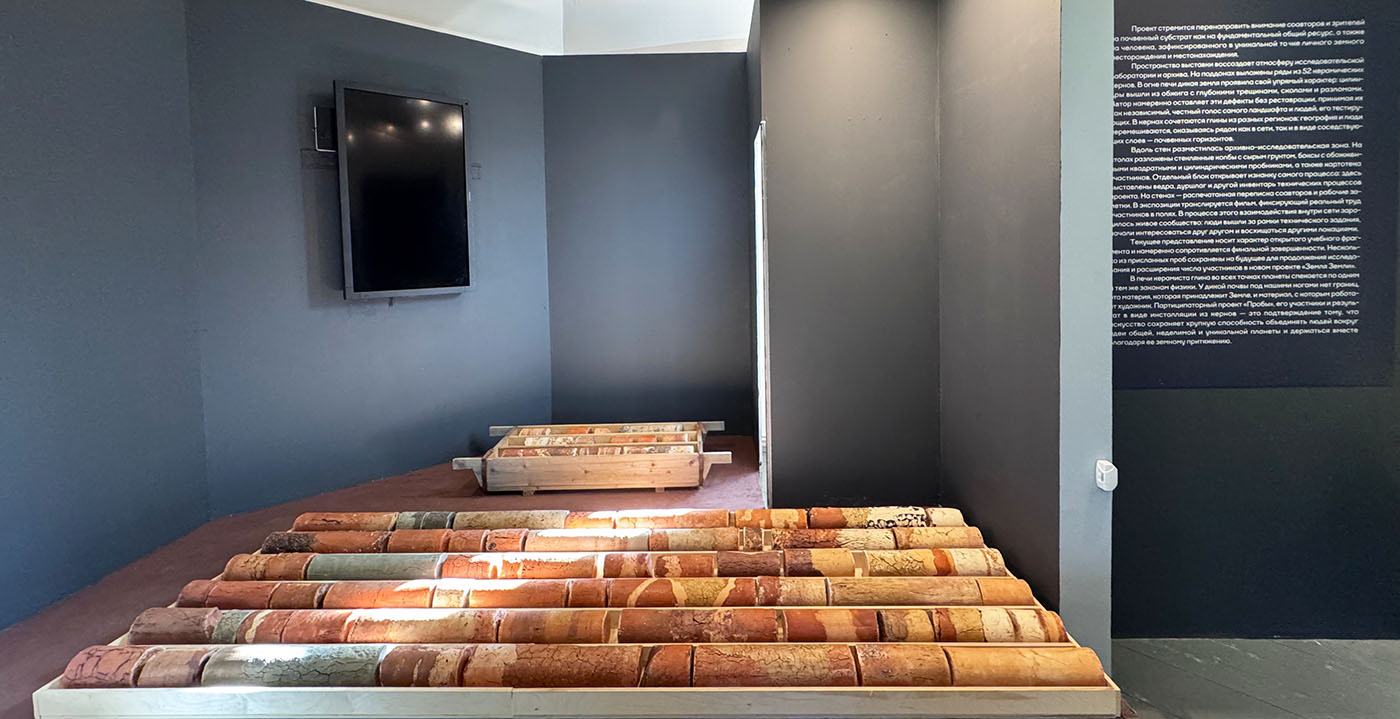
The project was presented as part of the 2026 graduation exhibition at the Izmaylovo Museum in Moscow from June to September 2026. More than 50 ceramic cores were shown in several geological sample boxes alongside raw earth, test pieces fired at different temperatures, and tools from the processing stages. A film made from the participants’ field videos brought the people who collected the material back into the exhibition. A worktable displayed the tools used to process the earth, while metal sample boxes and glass vessels held the original soil and raw clay. I wanted the working process to remain visible rather than disappear behind the finished objects.
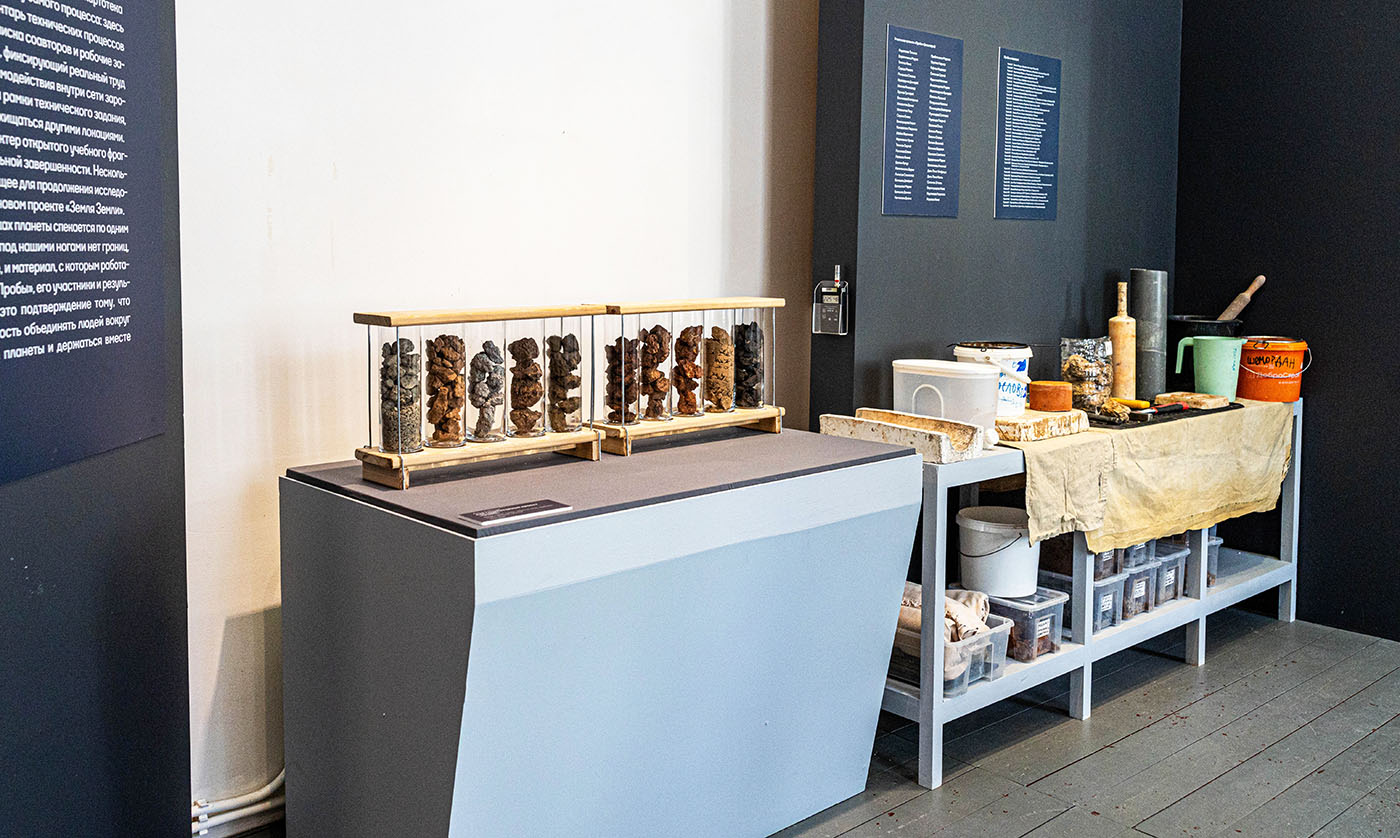
Ceramic test pieces documented how the samples behaved at different firing temperatures, including the failures and uncertainties behind the final cores. A handwritten catalogue recorded where each sample was collected and preserved something of the individual character of the places and stories connected to them. I wanted it to resemble a working archive rather than a polished database. Together, the cores, samples, tools, records, and film made the exhibition an archive of relationships as much as of materials, revealing the actions and encounters that produced the finished objects.
Looking back, I realise that the project changed my artistic practice. I became more interested in raw earth — its colour, texture, geological history and resistance to control — and increasingly drawn to working with meaning rather than mainly making functional ceramic objects. "Wild Cores" also changed my understanding of what participation can be. It can be an active search, but it can also be a story, a photograph, a recommendation, a conversation, a family walk, or simply following along and seeing what happens next.
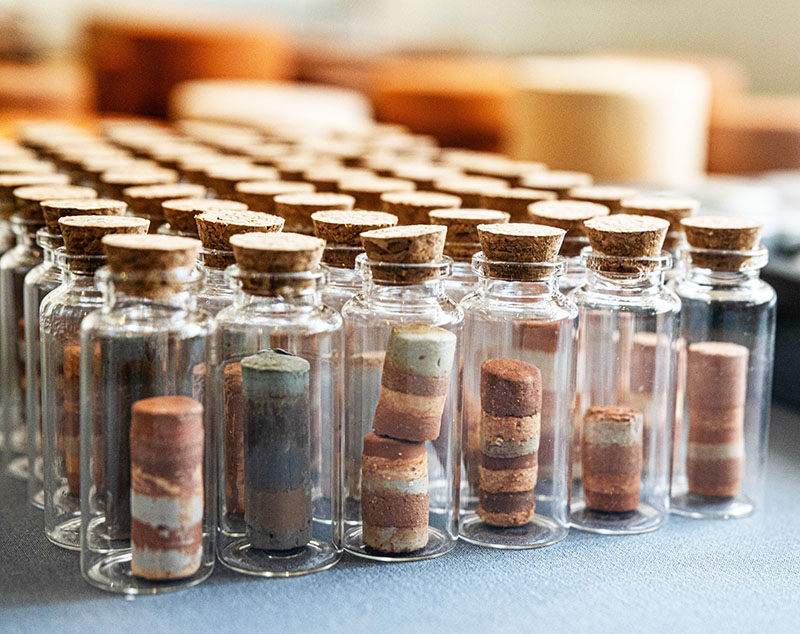
People now often ask me what will happen to Wild Cores and the social body that emerged around it, and whether there will be another stage of the project. I don’t know yet, and for now, I am happy to leave that question open. I like the feeling that the project could continue. I began with a question about whether people would respond to a simple invitation. What I received was not only clay. I received stories, places, renewed connections, new ways of looking at the ground beneath us — and a much more complicated understanding of what participation can mean.
In the summer of 2026, Wild Cores took on a temporary physical form at the exhibition Taught/Learned in the Small Hall of the Izmaylovo Museum in Moscow. The display was conceived not as a static gallery, but as a working archive and laboratory. While the physical exhibition in Izmaylovo closed at the end of September, the project’s living art system — comprising the article, film, ongoing archive, and Telegram community — continues to evolve, keeping the door open for potential participants and new geological layers. The main part of the installation, the geological sample boxes with ceramic cores, can now be seen together with the film about the participants at the Graduation ‘26 exhibition at the Parking Gallery in Zaryadye Park, which runs from 1 October to 6 December 2026.
Anna Tolstaya is a Moscow-based artist. She holds an MA in Liberal Studies from Dartmouth College and a Master’s degree from the Ceramic Art Department at the Stroganov Russian State University of Design and Applied Arts. Her practice examines the artistic and educational possibilities of clay, drawing on its connections to the natural world and material experimentation. Her work also engages participatory approaches and shared experience.